ALLPCB


Overview
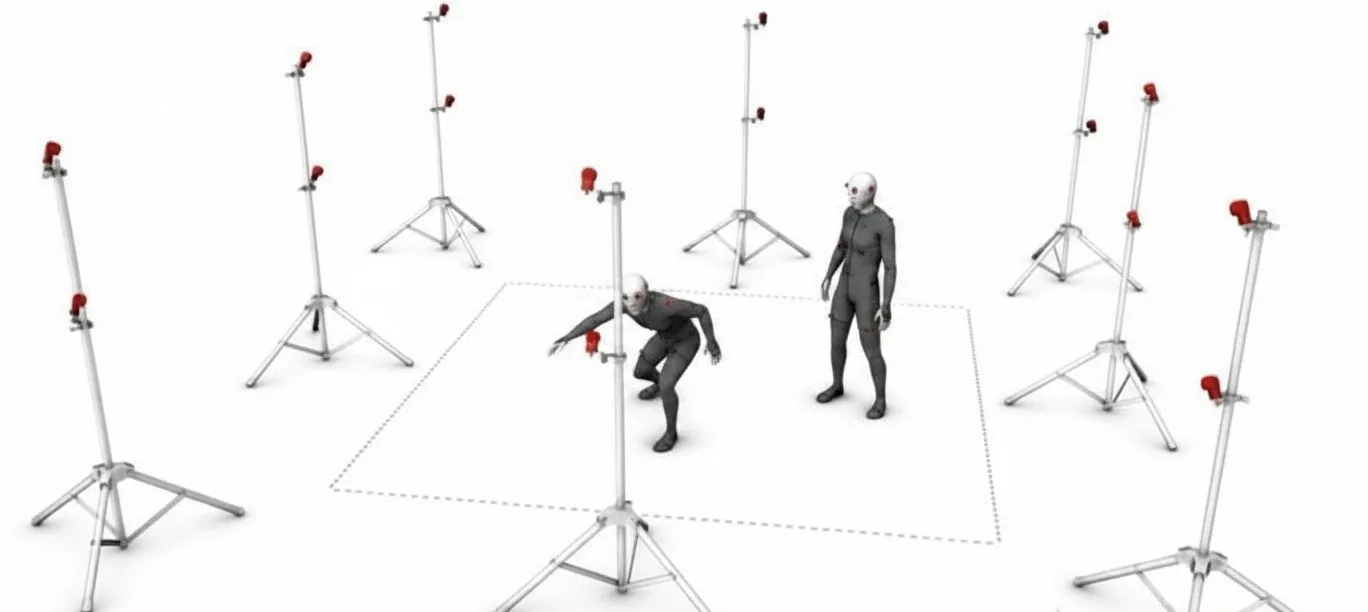
Virtual reality (VR) refers to techniques that use computer graphics, computer vision, skeletal motion tracking, data gloves, and related technologies to fully immerse users in computer-generated environments, creating immersive visual, auditory, and haptic experiences. It is a technology for simulating reality.
Applications
Games and entertainment: VR is widely used in the gaming industry to deliver more realistic experiences, including motion-controlled games and VR entertainment products.
Training and education: VR can simulate real scenarios to combine experience, play, training, and instruction, providing clearer and more intuitive demonstrations across fields such as virtual laboratories and flight simulators.
Medical: VR helps clinicians study and understand physiological states, visualize anatomy, and perform preoperative simulation and intraoperative guidance.
Tourism and cultural heritage: VR enables visitors to learn about and virtually experience tourist sites and cultural heritage, such as landscape and site simulations.
Industrial and product development: VR can represent shapes, colors, and textures of physical objects across design, product development, and 3D printing, providing more realistic prototypes and feedback.
Key Characteristics
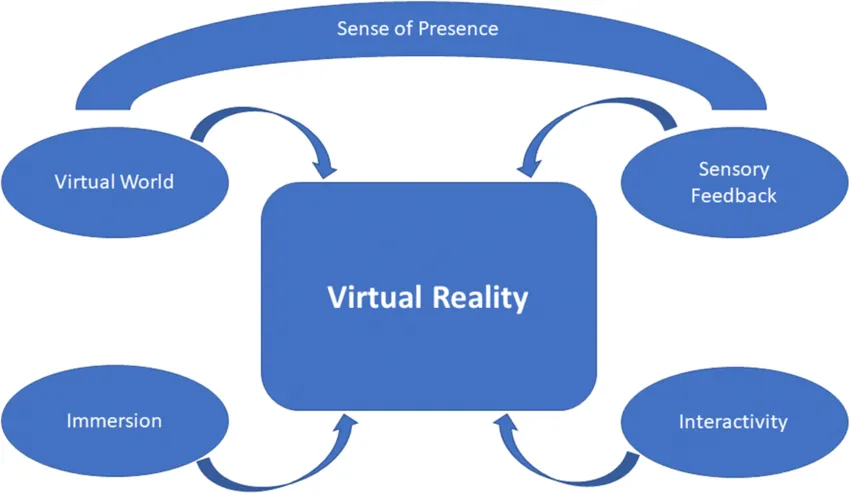
High immersion: VR provides highly immersive experiences, enabling creative, sensory-rich interactions that open new application possibilities across domains.
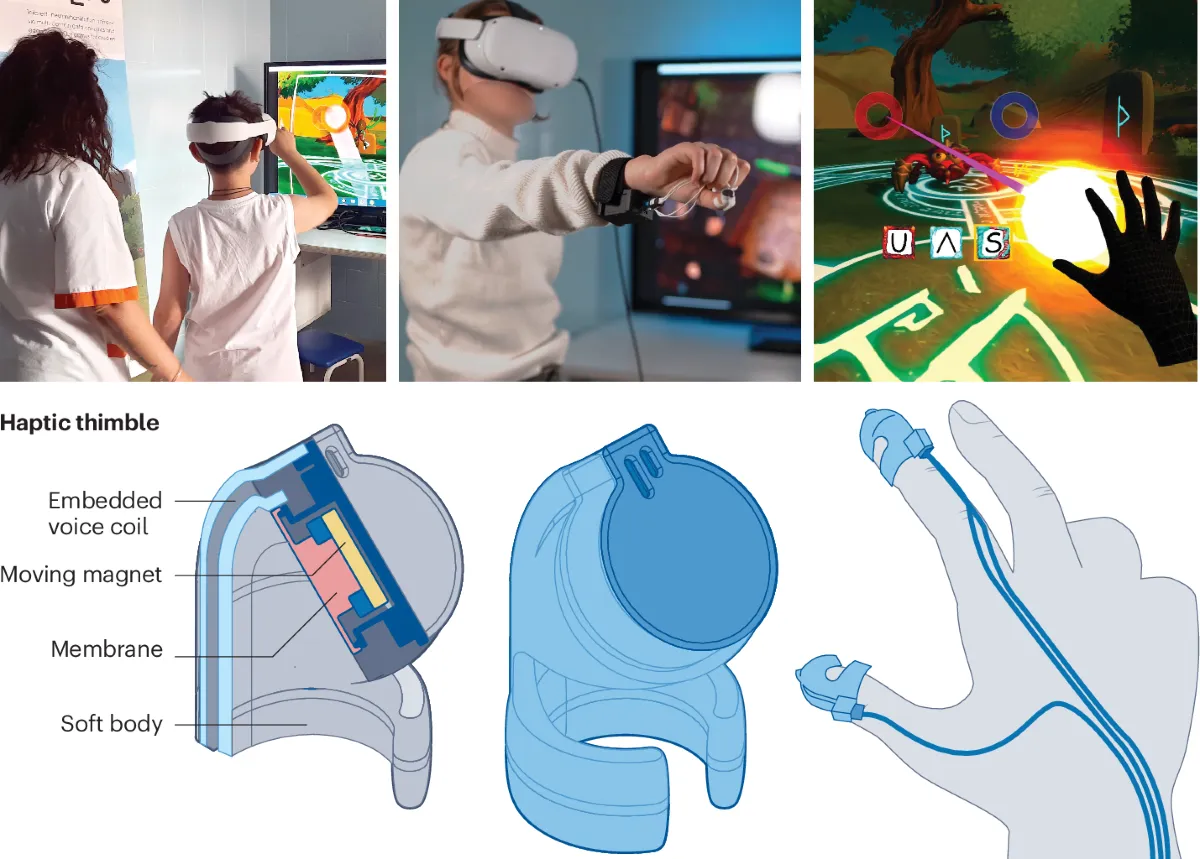
Interactivity: VR systems can detect and respond to user motions and commands, offering multiple ways to interact with virtual environments by combining real-time imaging, voice input, haptics, and motion sensors.
Multidisciplinary applications: VR is applicable across sports, cultural education, healthcare, music, gaming, and more.
Human factors: Some users experience discomfort such as nausea or dizziness. These effects should be considered and mitigated to avoid degrading user experience.
Current Status and Development Trends
Current status
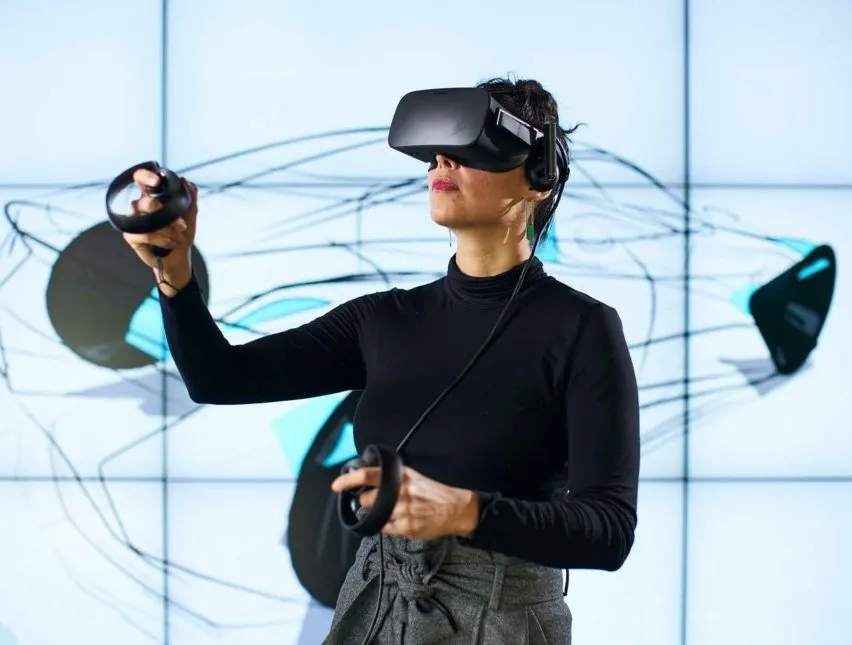
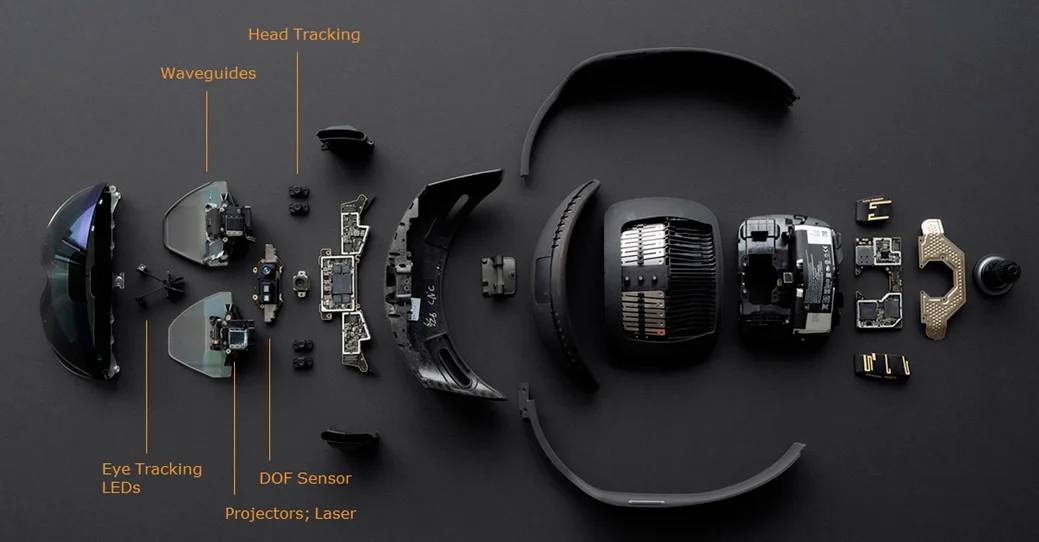
Hardware is maturing: VR hardware continues to improve, with lower costs and better performance leading to higher-quality consumer devices. Head-mounted displays are the most common form factor.
Application scenarios are diversifying: VR is already used in gaming, tourism, education, healthcare, and entertainment, with potential expansion into military and aerospace fields.
Technological updates: Ongoing upgrades in software, hardware, and algorithms are delivering new experiences, for example through head-tracking and high-definition imaging.
Development trends
Wider adoption: VR is expected to become an important tool for digitalization and intelligent workflows across industries, often integrated with other existing technologies to create more diverse experiences.
Broader use cases: Beyond entertainment, VR will expand into education, tourism, healthcare, architecture, and defense, among other areas, broadening its market reach.
Cost and experience improvements: Although hardware, content, and application ecosystems remain expensive and complex, costs are expected to decline as technologies mature. System stability, human-machine interaction, user experience, graphics quality, and simulation fidelity will continue to improve.
Integration with other technologies: VR will increasingly combine with big data, cloud computing, and AI to enhance interactivity, flexibility, and scene reproduction, enabling richer immersive experiences and wider practical adoption.
Smart hardware proliferation: As AR and VR applications advance and displays improve, traditional home entertainment formats may be gradually replaced by AR and VR, enriching user experiences.
Summary
VR technology is gaining broader recognition. It enables users to experience highly realistic simulated environments that can be difficult to distinguish from reality, and it can engage multiple human sensory systems such as sight, hearing, and touch. Robust simulation systems and interactive capabilities allow users to operate freely and receive realistic feedback. These attributes contribute to VR's growing adoption across different fields.