ALLPCB


Overview
As early as 2008, IBM proposed the concept of intelligent healthcare, combining the Internet of Things and AI technology in the medical field to enable interconnected medical information, collaborative sharing, clinical innovation, diagnostic science, and public-health prevention. With the rise of big data and 5G technology, intelligent healthcare has returned to the spotlight.
Advantages
Intelligent healthcare has many application scenarios and continues to evolve. Its fundamental advantages lie in freeing up medical resources and centralizing medical data, meaning it can help relieve shortages of medical personnel and enable centralized data management.
Relieving shortages of medical personnel
Training human doctors is complex, time-consuming, and costly. Even after many years of training, becoming a skilled clinician requires extensive experience. Artificial intelligence, as computing power increases and algorithms improve, can quickly provide guidance for common conditions: suggesting likely diagnoses, indicating which cases need deeper investigation, and recommending follow-up tests or diagnostic directions. This helps address shortages of medical staff and enables services to be available year-round at any location.
Centralized data management
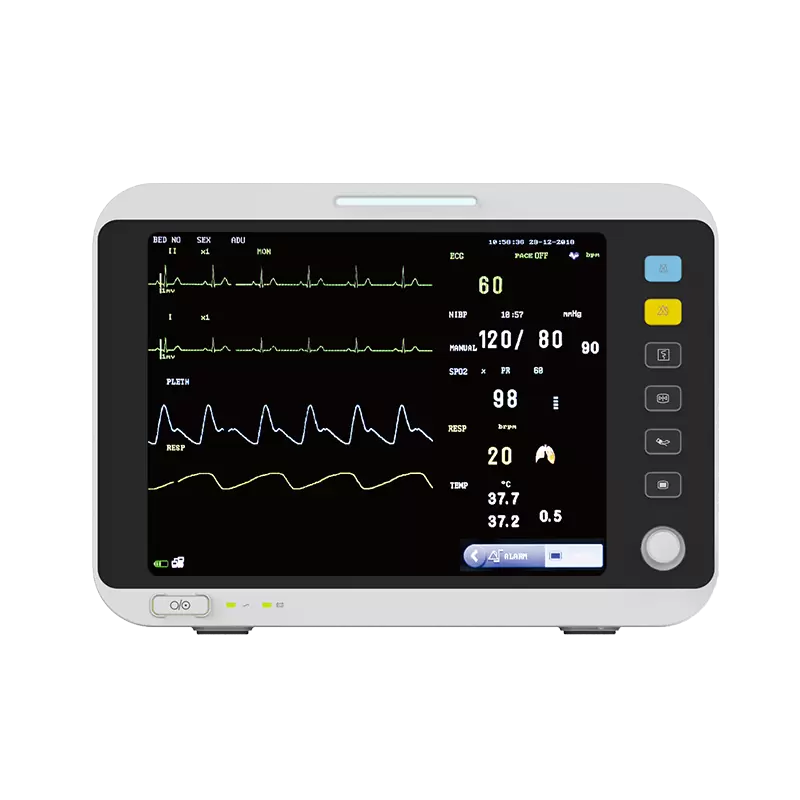
Intelligent healthcare involves two characteristics: large volumes of data and many endpoints. Sensors and home medical devices can automatically or manually collect various physiological signals, while clinical, out-of-hospital, and genomic medical data can be integrated to enable broad data sharing and deep reuse. At relatively low cost, this supports long-term, rapid, and stable health monitoring and care for people with suboptimal health, the elderly, and patients with chronic diseases.
Challenges
Difficulty reproducing the warmth of in-person care
Clinical medicine has been described as "to cure sometimes, to relieve often, to comfort always." Patients often seek not only medical treatment but also reassurance and emotional care. In the short term, intelligent healthcare struggles to provide the human empathy found in face-to-face consultations. Emotional communication, bedside care, and postoperative support still require clinicians' emotional involvement. In practice, patients commonly ask clinicians whether they will recover and seek psychological reassurance, so dependence on human clinicians remains high.
Privacy and data protection threats
Traditional information leaks such as mobile numbers and identity documents already pose significant risks. In AI-enabled healthcare, risks increase: exposed data may include full medical histories, congenital conditions, genetic defects, or family hereditary information. Illicit sharing or rapid dissemination of such data can enable fraud, identity theft, or other attacks, affecting normal life and personal matters such as marriage.
Fragmented and nonstandardized big data
Many hospitals and clinics still lack automated data collection. Clinicians may record information on paper; medication-effect follow-ups are often lost; electronic medical records remain incomplete and nonstandard. These issues hinder data mining and in-depth analysis. More importantly, the lack of unified standards for hospital information systems creates barriers to data sharing and alliances across healthcare providers. Technical, commercial, and policy factors intertwine, resulting in data fragmentation and isolated information silos. Progress toward hospitals serving as centers for data management and decision-making remains slow.