ALLPCB


Introduction
Printed circuit boards (PCBs) form the backbone of electronic systems in high-reliability applications such as aerospace, medical, and automotive sectors. These environments demand PCBs that withstand extreme conditions including temperature fluctuations, mechanical vibrations, and high humidity without failure. High-reliability PCB testing ensures these boards meet stringent PCB testing standards, preventing catastrophic outcomes like system malfunctions or safety risks. Engineers in these fields prioritize tests that simulate real-world stresses to validate performance over extended lifecycles. From factory floors to final assembly, testing protocols align with industry benchmarks to guarantee zero-defect quality. This article explores the essential testing strategies tailored for aerospace PCB testing, medical PCB testing, and automotive PCB testing.
Why High-Reliability PCB Testing Matters
High-reliability PCB testing addresses the unique challenges posed by mission-critical applications where failures can lead to loss of life or significant financial losses. In aerospace, PCBs endure rapid pressure changes, intense vibrations during launch or flight, and thermal extremes from -55°C to over 125°C. Medical devices require PCBs that maintain functionality in sterile environments with constant monitoring, where even minor faults could compromise patient safety. Automotive systems face relentless vibration from engines, road shocks, and under-hood heat cycles that accelerate material fatigue.
Without rigorous testing, latent defects like microcracks in solder joints or delamination in laminates go undetected until deployment. Factory-driven insights emphasize early detection through standardized procedures, reducing rework costs and enhancing yield rates. Compliance with Class 3 performance levels ensures boards achieve the durability needed for 10-20 year service lives in these sectors. Ultimately, high-reliability PCB testing builds trust in supply chains by verifying that every board meets operational thresholds under accelerated stress.
Key Technical Principles of High-Reliability PCB Testing
High-reliability PCB testing encompasses electrical, mechanical, and environmental evaluations to assess material integrity and interconnection reliability. Electrical tests verify continuity, shorts, and insulation resistance using methods like flying probe testers or bed-of-nails fixtures. These confirm that traces and vias conduct signals without interruption while preventing leakage currents that could cause arcing. Mechanical tests evaluate solder joint strength through shear, pull, and torque assessments, identifying weaknesses from plating voids or inconsistent metallization.
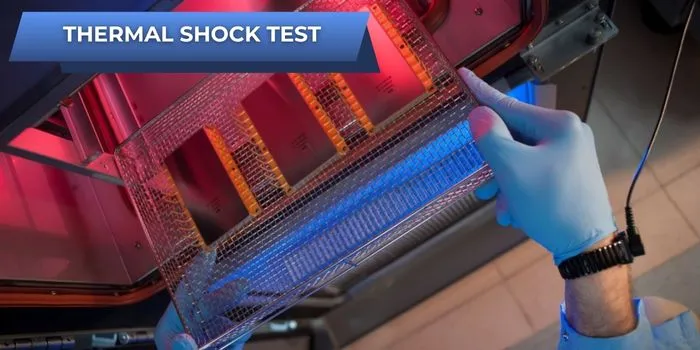
Environmental testing simulates operational hazards with thermal shock, where boards cycle between extreme hot and cold baths to detect CTE mismatches between layers. Vibration testing on shaker tables replicates sinusoidal or random profiles to uncover fatigue in components and boards. Humidity exposure, often combined with bias voltage, reveals ionic contamination risks that lead to dendritic growth. Highly accelerated life testing (HALT) pushes limits with rapid temperature ramps and multi-axis vibration to expose design flaws early.
These principles draw from established methods that quantify reliability metrics like mean time between failures. Cross-section analysis post-testing reveals microstructural failures such as barrel cracking in vias. Factory protocols integrate these into qualification flows, ensuring boards pass before scaling production.
Industry-Specific Testing for Aerospace, Medical, and Automotive PCBs
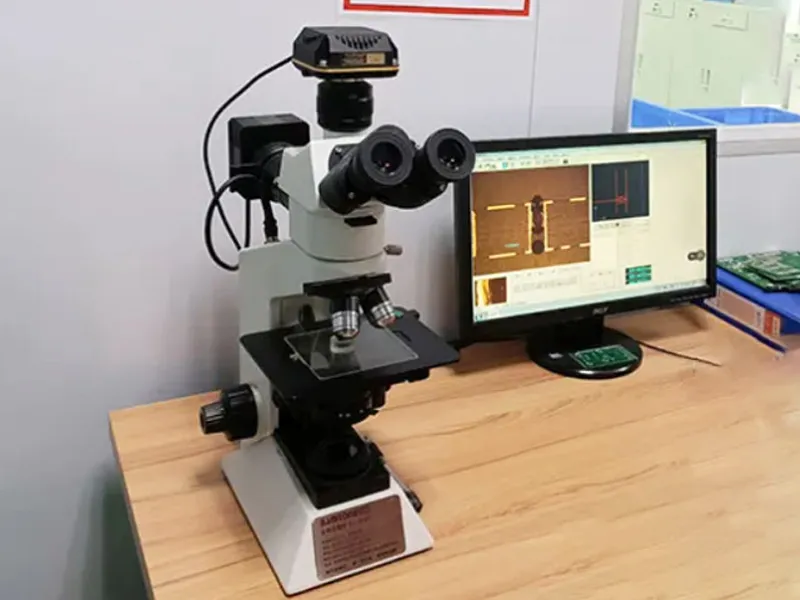
Aerospace PCB testing focuses on surviving hypersonic speeds, radiation, and outgassing in vacuum conditions. Tests include low-outgassing materials verification and thermal vacuum cycling to mimic space exposure. Mechanical shock tests simulate launch accelerations up to 100g, checking for dislodged components or fractured traces. IPC-6012E outlines qualification specs for rigid boards in such demanding scenarios, emphasizing zero visible defects under microscopy.
Medical PCB testing prioritizes long-term stability in implantable or diagnostic devices, incorporating biocompatibility checks alongside electrical integrity. Highly accelerated stress testing (HAST) combines heat, humidity, and voltage to accelerate corrosion mechanisms. Cleanliness testing measures ionic residues to prevent electrochemical migration in humid body environments. Solder joint reliability under flexure is critical for wearable devices, using cyclic bend tests to validate interconnect endurance.
Automotive PCB testing targets engine bay harshness with extended thermal cycling from -40°C to 150°C and high-frequency vibrations. Power cycling stresses power distribution networks, simulating load dumps and starts. J-STD-001 Class 3 criteria guide soldering verification, ensuring joints resist fatigue from road-induced resonances. These sector-tailored approaches ensure PCBs align with operational envelopes.
Practical Solutions and Best Practices
Implementing high-reliability PCB testing requires a sequenced approach starting with bare board electrical testing before assembly. Pre-condition boards per moisture sensitivity levels to avoid reflow-induced damage. Use automated optical inspection (AOI) and X-ray for non-destructive void detection in BGAs, followed by functional testing under bias.
Document test data with traceability to lots, enabling root cause analysis via failure modes and effects analysis (FMEA). Collaborate with suppliers on design for testability, incorporating test points and fiducials. Perform qualification lots with 100% sampling before production runs, scaling to statistical process control.
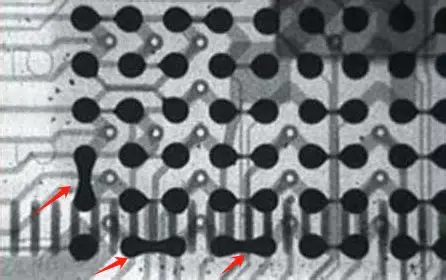
Adopt multi-stage screening like burn-in at elevated temperatures to weed out early failures. Regularly calibrate equipment to maintain test repeatability. These factory-driven practices minimize field returns and uphold stringent PCB testing standards across applications.
Troubleshooting Common Failures in High-Reliability PCBs
Engineers often encounter delamination from poor adhesion, addressed by glass transition temperature verification and bake-out pre-tests. Solderability issues from oxidized surfaces demand flux residue analysis and immersion tin or ENIG finishes validation. Vibration-induced fretting calls for conformal coating thickness checks and edge connector securement.
In aerospace, radiation testing reveals soft errors, mitigated by error-correcting codes in design. Medical failures from creep corrosion require halogen-free materials and sulfur testing. Automotive hot spots from power traces need thermal imaging during cycling. Systematic post-mortem sectioning and scanning electron microscopy pinpoint mechanisms, informing process tweaks.
Conclusion
High-reliability PCB testing is indispensable for aerospace, medical, and automotive applications, ensuring boards endure extreme stresses through electrical, mechanical, and environmental validations. By adhering to Class 3 standards and sector-specific protocols, engineers achieve robust performance and safety. Factory insights underscore the value of sequenced testing and data-driven improvements. Implementing these practices not only meets stringent PCB testing standards but also enhances overall system reliability.
FAQs
Q1: What are the main tests in aerospace PCB testing?
A1: Aerospace PCB testing includes thermal vacuum cycling, mechanical shock up to high g-forces, and vibration profiling to simulate flight conditions. These verify material stability and joint integrity under extremes. Compliance with IPC-6012E ensures qualification for space-grade reliability, preventing failures in mission-critical systems. High-reliability PCB testing protocols focus on outgassing and radiation tolerance as well.
Q2: How does medical PCB testing differ from standard processes?
A2: Medical PCB testing emphasizes HAST, ionic cleanliness, and long-term bias humidity to mimic body environments. It prioritizes zero migration risks for implants and diagnostics. IPC-A-600K guides acceptability, demanding stringent visual and electrical checks. This approach in medical PCB testing safeguards patient outcomes through enhanced contamination controls.
Q3: Why is vibration testing crucial for automotive PCB testing?
A3: Vibration testing in automotive PCB testing replicates engine and road resonances, exposing solder fatigue and trace cracks. Random vibration profiles combined with thermal cycling simulate real-world durability. J-STD-001 Class 3 soldering standards ensure joint robustness. Automotive PCB testing via these methods prevents intermittent failures in safety systems.
Q4: What role do stringent PCB testing standards play in high-reliability applications?
A4: Stringent PCB testing standards like Class 3 IPC guidelines dictate test severity and acceptance criteria across sectors. They standardize qualification, reducing variability in factory outputs. High-reliability PCB testing under these ensures lifecycle performance in harsh conditions, from aerospace extremes to automotive heat.
References
IPC-6012E — Qualification and Performance Specification for Rigid Printed Boards. IPC, 2017
IPC-A-600K — Acceptability of Printed Boards. IPC, 2020
J-STD-001H — Requirements for Soldered Electrical and Electronic Assemblies. IPC, 2018