ALLPCB


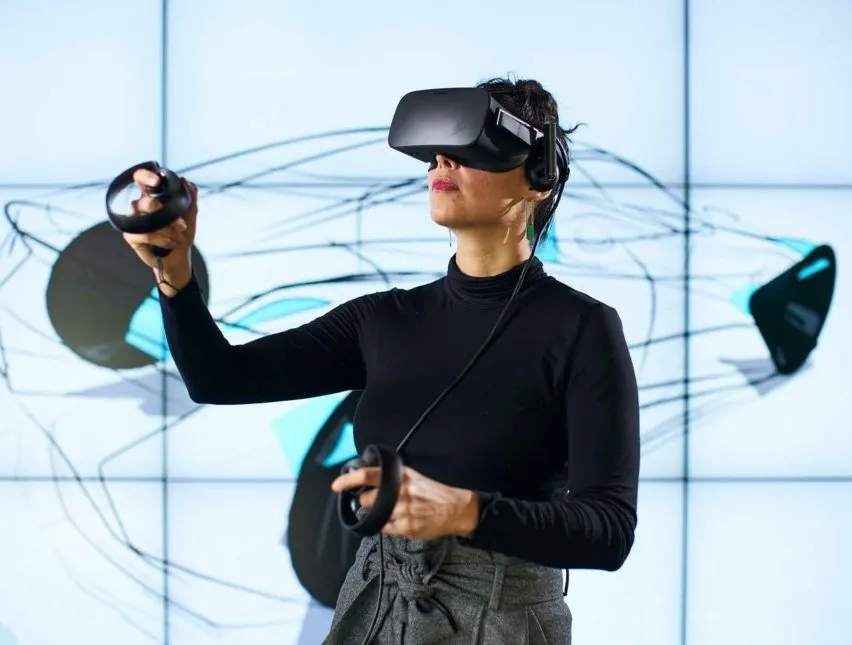
This year has been described as a turning point for VR, with major companies entering the field. Regardless of the surrounding hype, how well do you understand VR hardware? What fixed specifications make up a VR device?
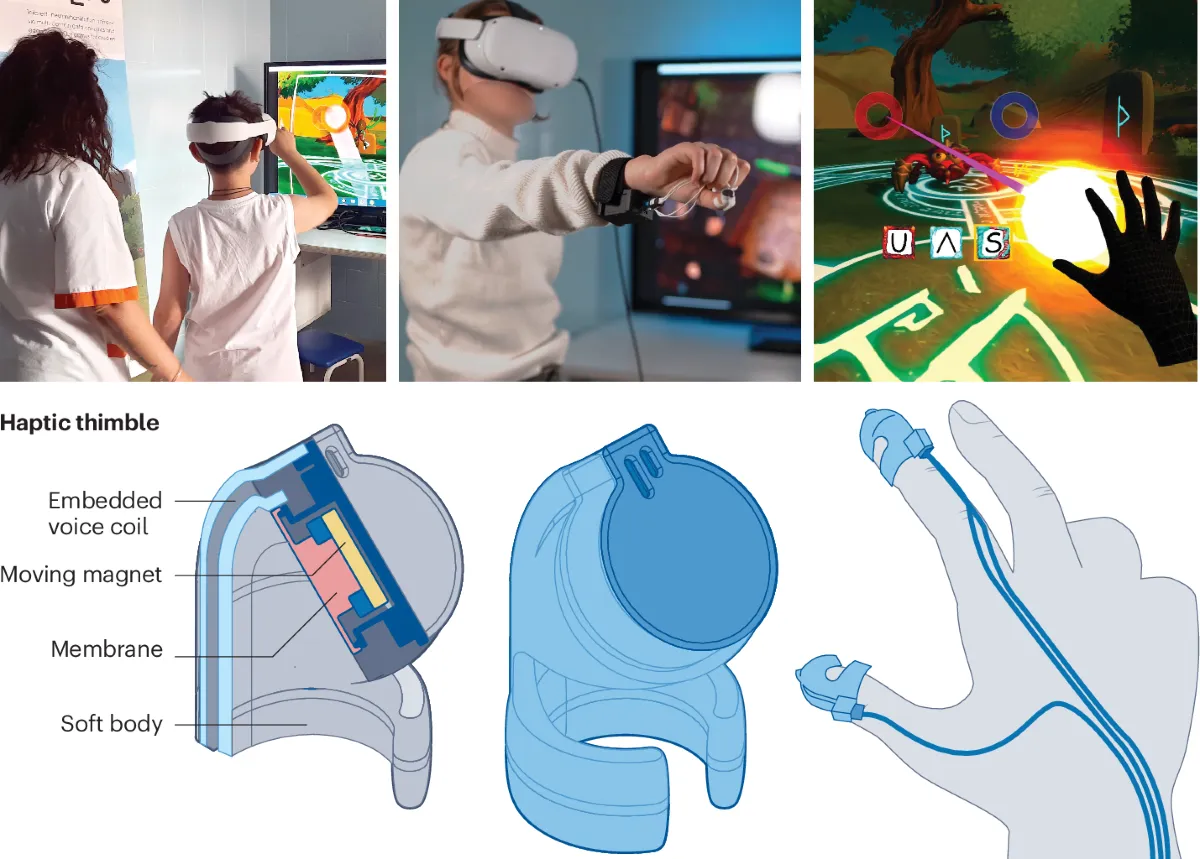
Typically, a VR system includes the following components: display, processor, sensors, cameras, wireless connectivity, storage, battery, and lenses. Each element has its own technical considerations.
Display
Most VR headsets use one or two displays. Higher resolutions such as 4K UHD or above can further enhance the visual experience. Tethered devices typically use OLED displays, while standalone headsets often adopt microprojection systems.
1) Resolution: Although it is hard for the human eye to distinguish differences above 2K QHD, 4K UHD or higher resolutions can improve immersion in VR.
2) OLED: Compared with LCD, OLED offers advantages such as faster refresh rates and lower latency, which help reduce motion sickness. PlayStation VR uses a 5.7-inch OLED with a resolution of 1920x1080. Oculus also uses OLED panels with a per-eye resolution around 1080x1200.
3) Microprojection systems: There is significant overlap between VR and AR technologies. For standalone AR/VR devices, microprojection is a widely used approach. Google Glass has used this technique, and Microsoft HoloLens is also expected to use similar projection methods.
Processor
Standalone VR headsets incorporate one or more processing units. As technology advances, headsets will adopt higher-end CPUs and GPUs. To support higher resolutions, GPU performance will need to increase. Tethered and host-dependent devices do not require onboard processors because they can leverage the host system's compute resources.
Sensors
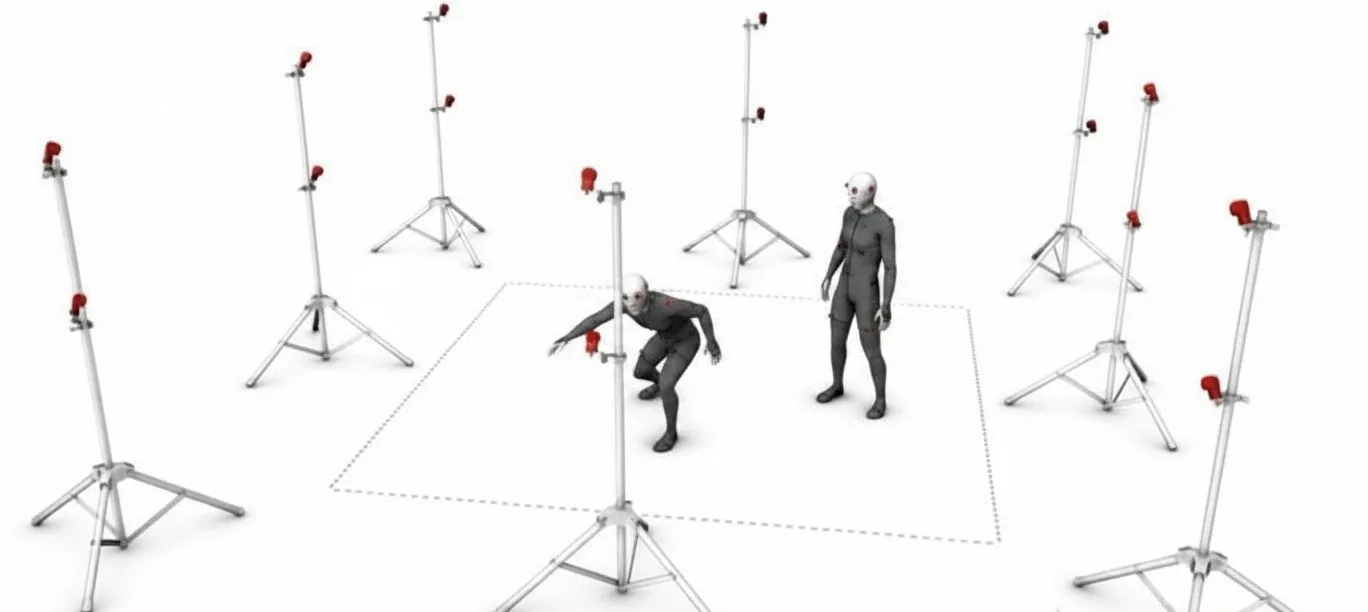
Sensors may be built into the headset or implemented as external accessories. Eye and head tracking are critical because they reduce display latency and more accurately match user movement. Lower latency increases perceived realism and reduces the likelihood of motion sickness.
Motion-tracking sensors include FOV depth sensors, cameras, gyroscopes, accelerometers, magnetometers, and proximity sensors. Each VR hardware vendor tends to use its own tracking technology. Sony uses the PlayStation Camera for positional tracking, while HTC Vive and Oculus have their own tracking systems.
Camera
Some headsets use onboard cameras for photography, positional tracking, and environment mapping.
Wireless Connectivity
The future trend for controllers and headsets is wireless connectivity. However, wireless links between headsets and PCs or consoles still face technical challenges, especially when supporting high resolutions and high refresh rates.
Storage and Battery
Publicly available details on memory and battery capacity are limited, but memory is essential for storing and caching VR images and video. Because VR content often uses high resolutions, headsets require substantial memory. Battery capacity is particularly important for standalone headsets, which do not rely on a host system. As more untethered devices adopt wireless connections, battery life will remain a critical design constraint.
Lenses
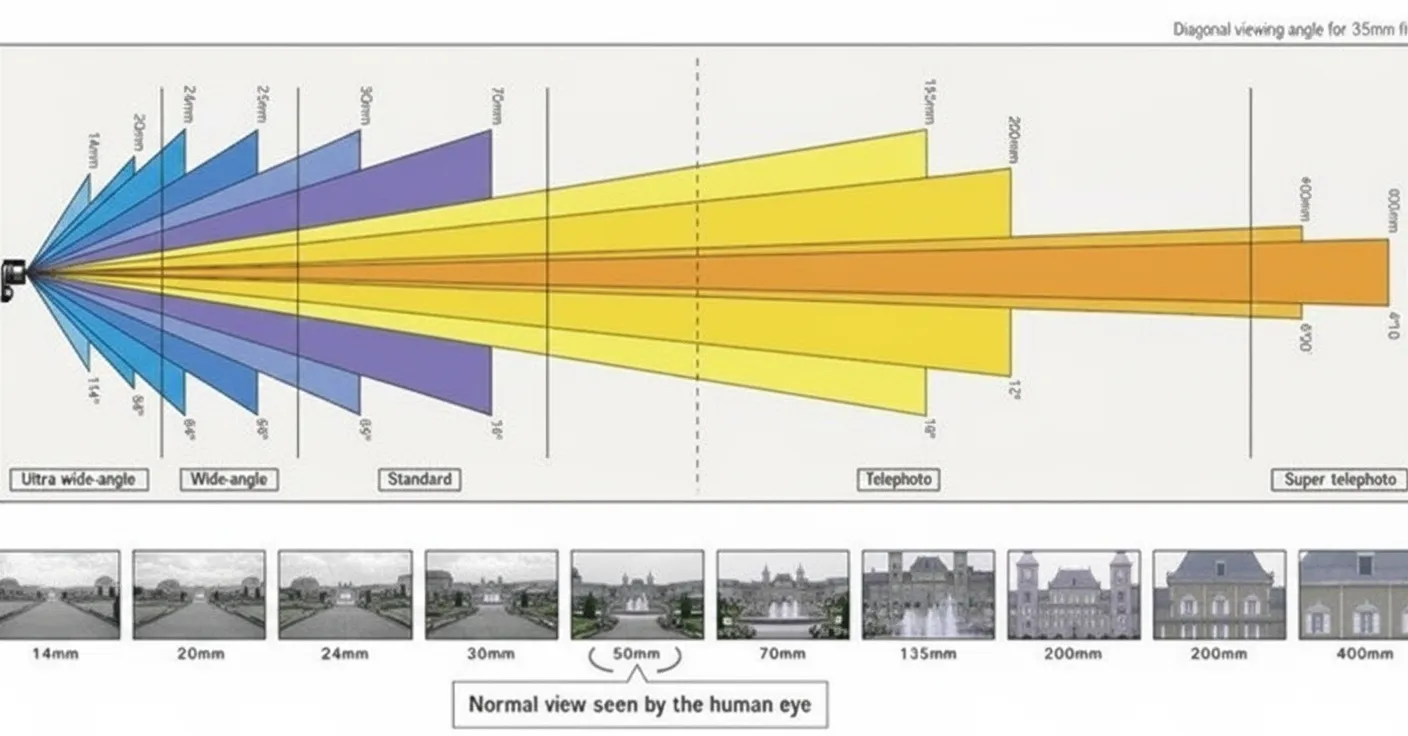
Tethered and mobile VR headsets commonly use aspheric lenses due to their short focal lengths, higher magnification, and wider fields of view. Tethered VR devices released in the first half of the year, including Oculus Rift, HTC Vive, and PlayStation VR, all use aspheric lenses.