ALLPCB


Every person's fingerprint is unique. With modern technology, fingerprints have become an additional form of personal identification.
Fingerprint Patterns and Distribution
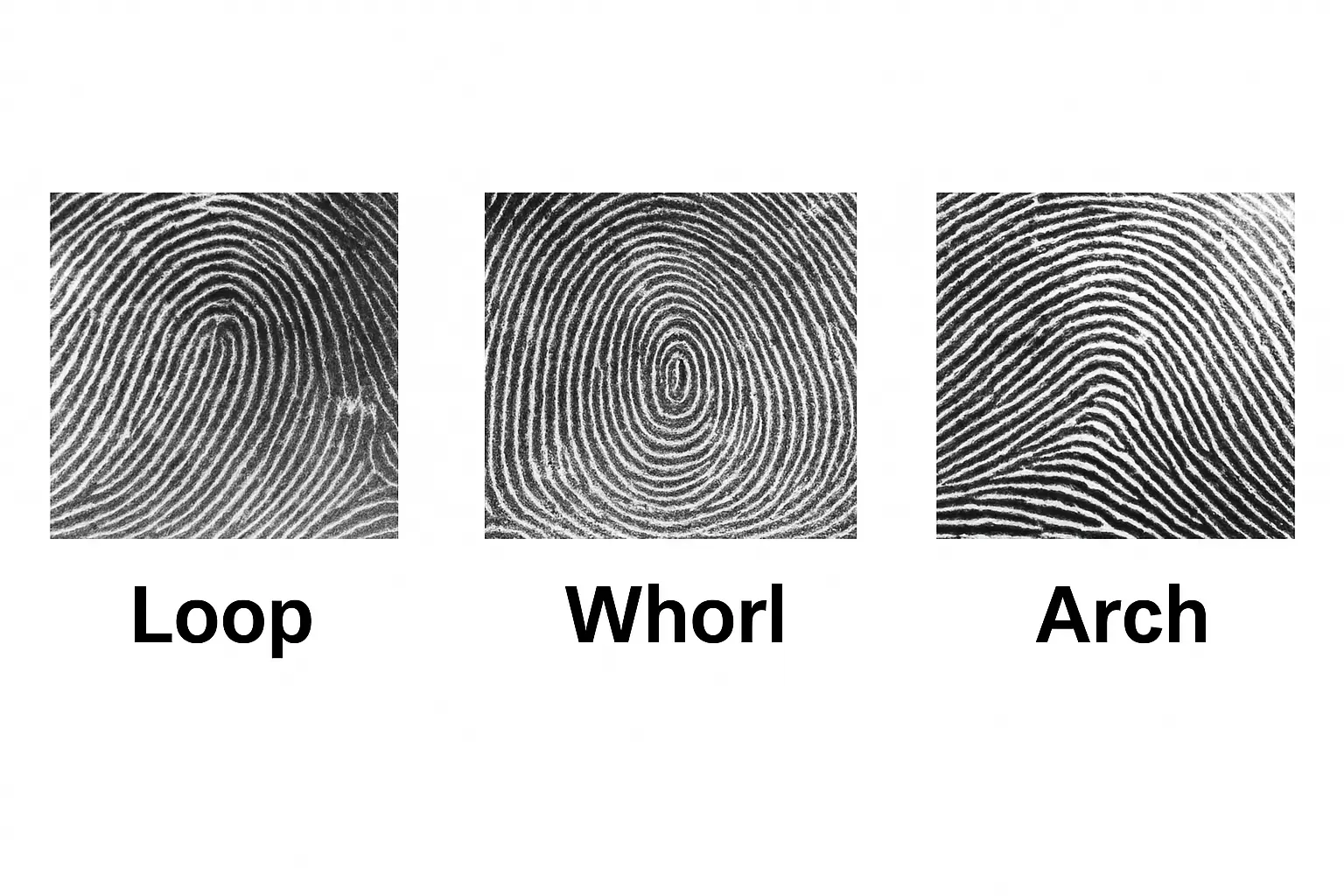
Fingerprint patterns are commonly classified into three basic types: whorl, loop, and arch. The distribution of these patterns varies by population. For example, in some East Asian populations (such as Chinese and Japanese), whorl and loop patterns occur at roughly similar rates and together account for over 90% of cases. In some European populations, loop patterns are more common, while in some North American populations, arch patterns have a higher occurrence.
Common Capture Methods
Optical Systems
Optical fingerprint recognition systems form images of the fingerprint by reflecting light. These modules have environmental requirements for temperature and humidity. In very cold conditions, for instance, a cold finger may fail to be recognized until it is warmed, which can be inconvenient. Optical systems are comparatively bulky and are not suitable for integration into mobile phones.
Capacitive Modules on Mobile Phones
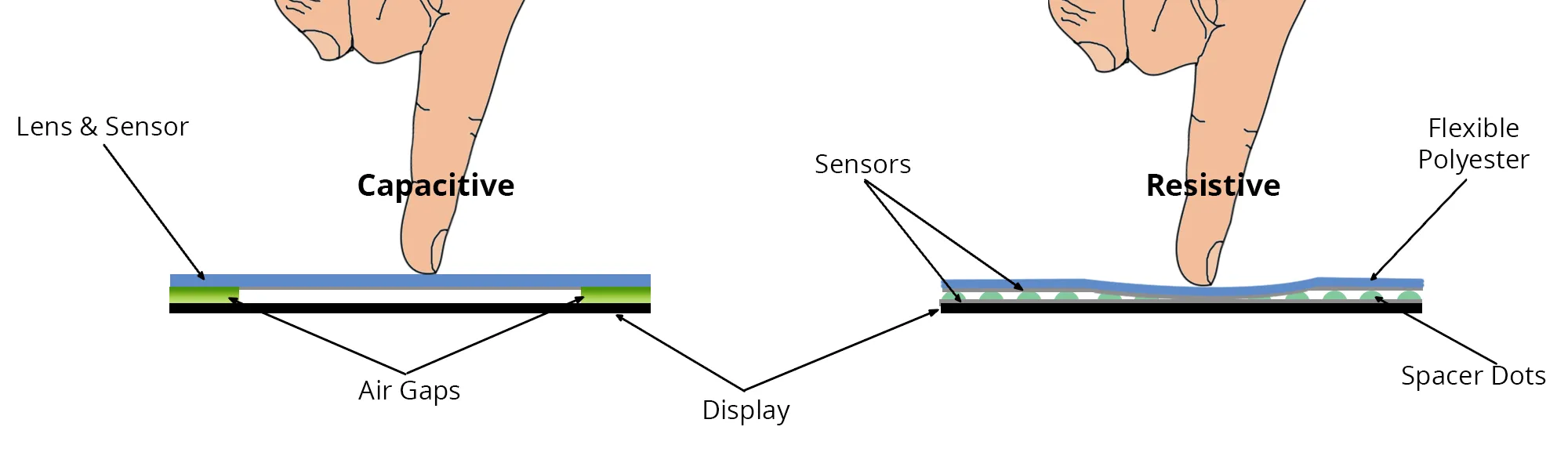
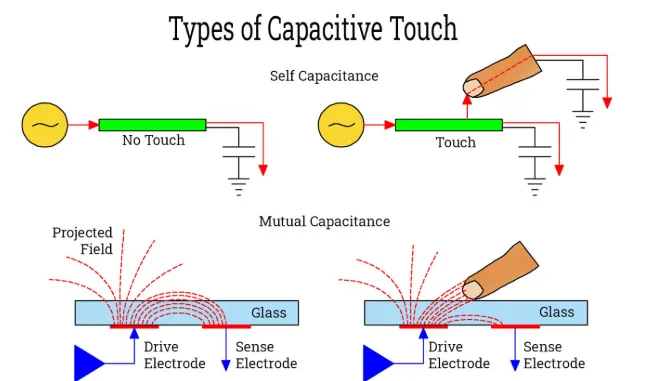
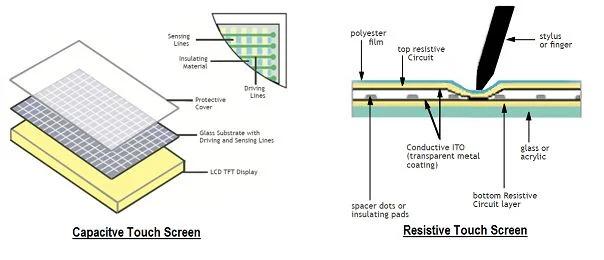
The small fingerprint button on many mobile phones is a capacitive fingerprint module. It uses silicon sensing elements and the conductive subdermal electrolytes to form an electric field. The ridges and valleys of the fingerprint cause different changes in the local capacitance between the sensor and the finger, allowing accurate fingerprint measurement. This approach is robust across environments and compact in size, which has enabled its widespread use in mobile devices.
Radio-Frequency (RF) Biometric Scanners
Government-grade fingerprint enrollment devices used for identity documents often use biometric radio-frequency (RF) fingerprint recognition systems. These devices emit low-level RF signals from the sensor that penetrate the epidermis and detect subsurface ridge patterns, producing high-quality fingerprint images. RF sensors typically respond only to human dermal tissue, which helps prevent spoofing with artificial fingerprints. They also operate across a wide temperature range, making them suitable for very cold or very hot regions. For these reasons, RF technology is generally considered a highly reliable solution for high-precision applications.
Common Process Flow
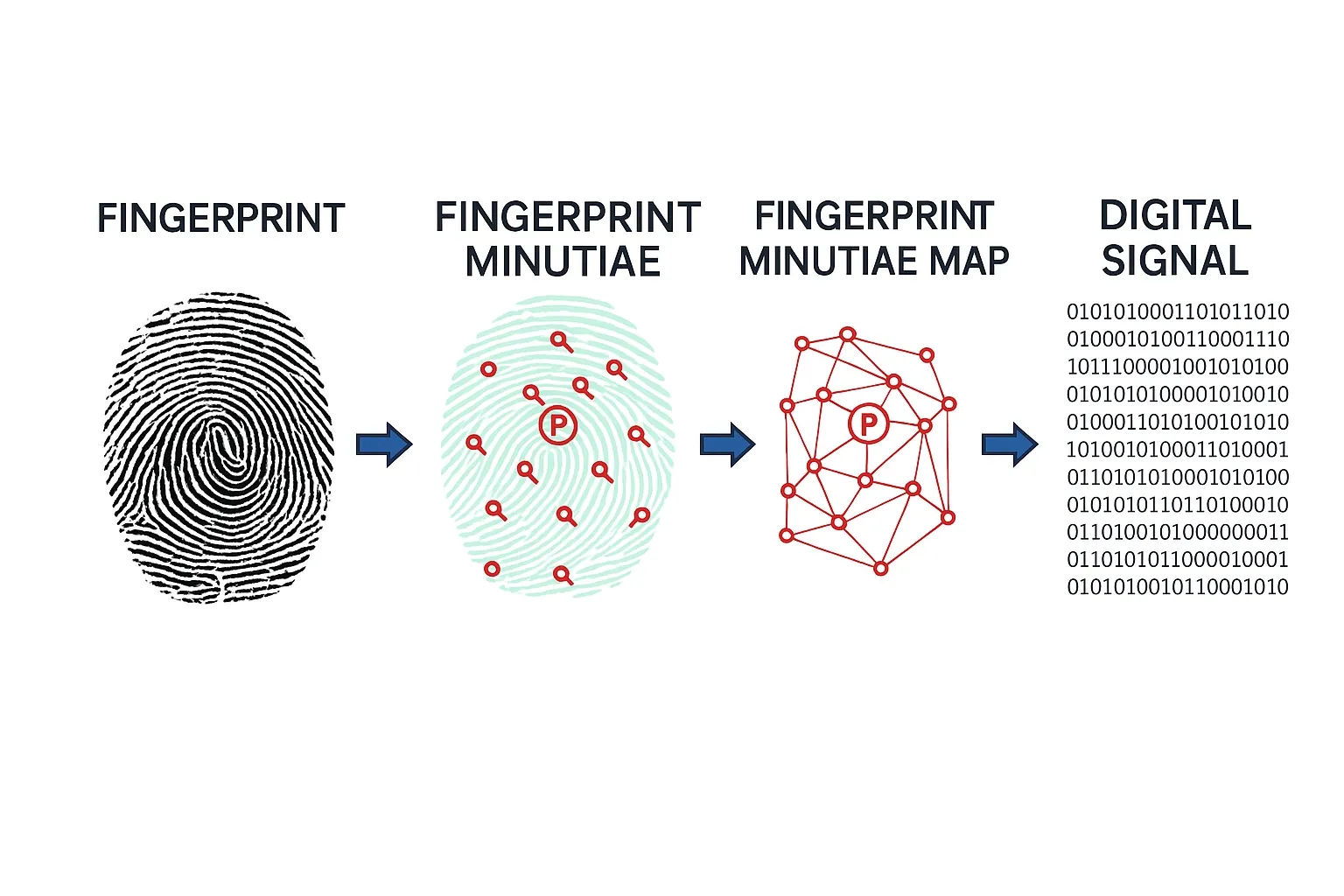
Regardless of capture method, the raw data collected are usually not stored as full fingerprint images. Instead, algorithms compute a unique code from the fingerprint data, similar to a barcode generated from the fingerprint. To determine whether two fingerprints come from the same person, systems compare these codes. The typical workflow consists of four steps:
1. Fingerprint capture. During initial enrollment, the same finger is often recorded from multiple angles to capture the full fingerprint, since partial fragments are insufficient for reliable identification.
2. Quality evaluation. The captured data are rigorously assessed; poor-quality captures require re-enrollment.
3. Feature extraction. This critical step uses algorithms to convert the captured data into mathematical representations of fingerprint features, including ridge endings, bifurcations, divergence points, islands, cores, and short ridges. These features are stored in a database.
4. Matching. When a fingerprint is presented again, the system checks for correspondence among the extracted features to confirm identity and authorize actions.
Security and Edge Cases
Forensic comparisons typically require a large number of matching minutiae—often 30 or more features—to conclude that two fingerprints are from the same individual. Consumer mobile implementations do not generally use so many feature matches, although recognition accuracy on phones has improved significantly as algorithms advance.
Fingerprints can become temporarily obscured or blurred by certain medications, which may hinder recognition. In some administrative or border-control contexts, temporary fingerprint issues may require a medical certificate to verify identity. Permanent destruction of fingerprints is possible only if the dermis is severely damaged; in such cases, fingerprints do not regenerate.