ALLPCB


Overview
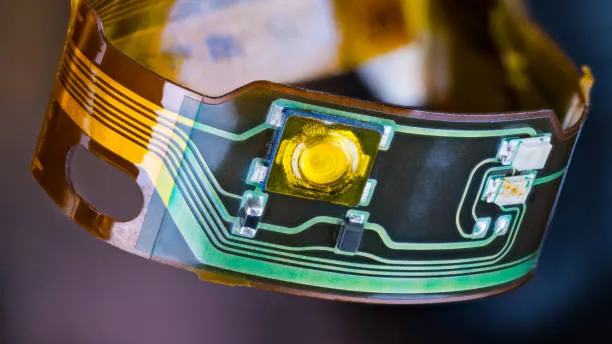
Flexible electronic skin is a bendable, stretchable, and deformable electronic device that can emulate human skin sensing and interaction functions. Its application areas are wide and include, but are not limited to, the following.
Applications
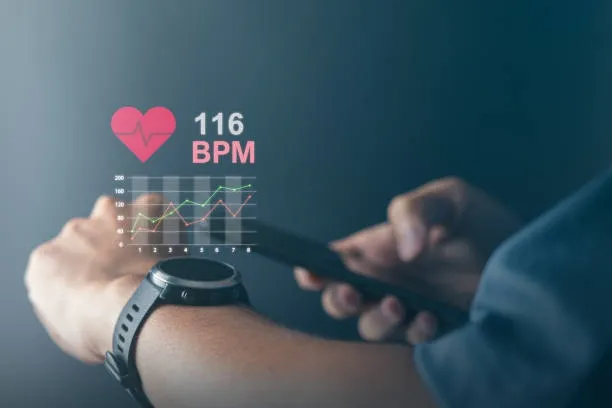
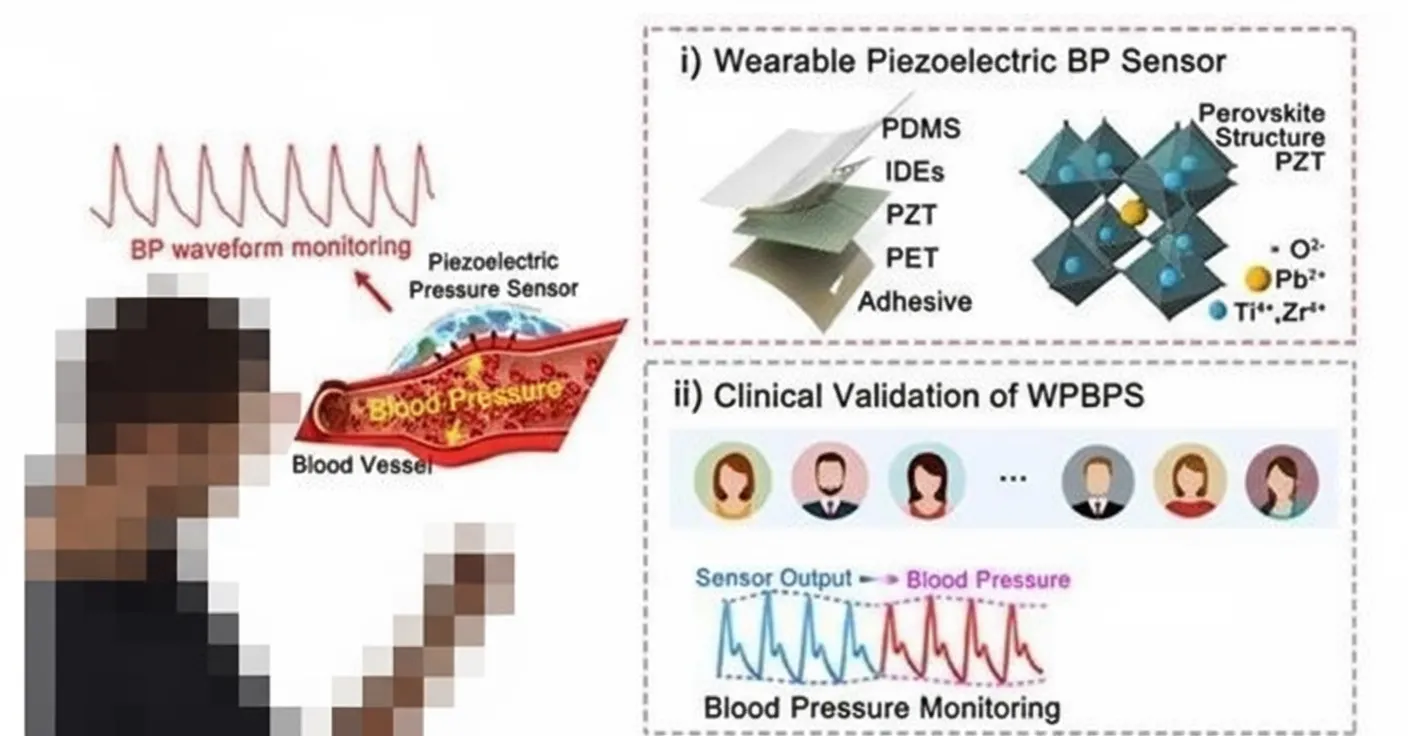
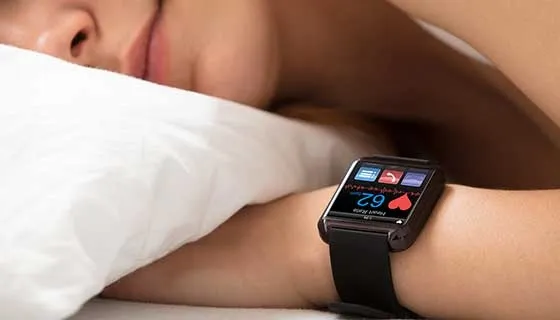
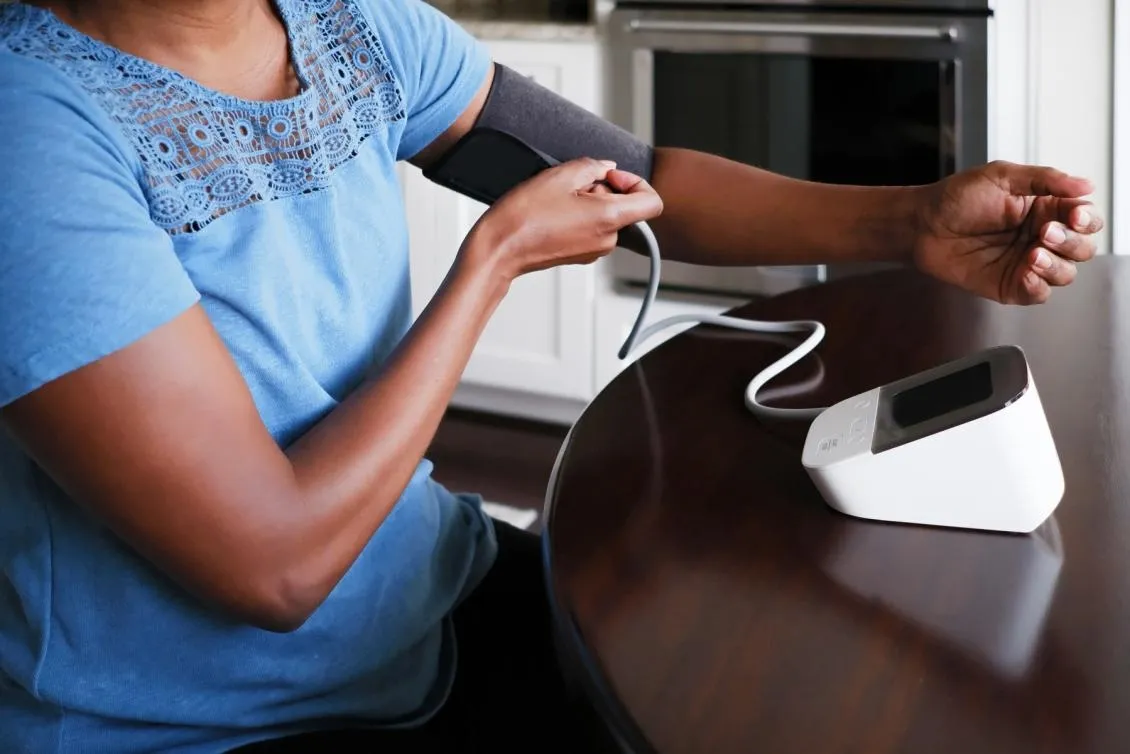
- Biomedical: Can contact the human body and monitor physiological parameters such as heart rate, blood pressure, and body temperature in real time for medical monitoring, health management, and disease diagnosis.
- Smart fitness and sports: Can precisely monitor body posture, muscle activity, and force output for fitness tracking, training analysis, and injury prevention.
- Robotics: Provides tactile sensing and force modulation capabilities, enabling robots to perform safer and more sensitive contact and collaboration with humans.
- Virtual reality and augmented reality: Can be integrated into VR/AR devices to provide haptic feedback and interactive sensations, enhancing user immersion.
- Internet of Things and smart home: Can act as part of sensor networks to enable environmental monitoring, intelligent control, and adaptive adjustment for smart home, smart city, and IoT applications.
- Flexible displays and wearables: Applicable to flexible displays and wearable devices, offering conformable, comfortable interfaces such as curved displays and wearable medical devices.
- Human-computer interaction and virtual control: Can be used as touch sensors, gesture recognizers, or fingerprint sensors to enable more natural and intuitive interaction and virtual control interfaces.
Advantages and Disadvantages
As an emerging technology, flexible electronic skin has the following advantages and disadvantages.
Advantages
- Conformability: Bendable and stretchable, allowing close fit to curved surfaces for improved comfort and contact.
- High transparency: Can be produced transparent or semi-transparent for applications that require light transmission.
- Thin and lightweight: Smaller size and lower weight compared with rigid electronics, facilitating portability and integration.
- Biocompatibility: Often made from biocompatible materials suitable for direct skin contact.
- High sensitivity: Capable of high-sensitivity touch and force sensing, approximating human skin perception.
Disadvantages
- Manufacturing complexity: Production processes are relatively complex and may require specialized materials and techniques, increasing cost and technical barriers.
- Limited durability: Repeated bending and stretching can lead to durability issues; materials and structural design need further improvement.
- Power consumption: May consume more energy than traditional rigid devices for equivalent functions.
- Size and performance limits: Physical size constraints can limit device functionality and processing capability.
- Integration challenges: Current integration with other electronic components remains technically challenging.
With ongoing technological advances, many of these limitations are expected to be addressed over time.