ALLPCB


Face recognition visitor systems are increasingly common in daily environments and workplaces. Below is an overview of their typical workflow and common application scenarios.
Workflow
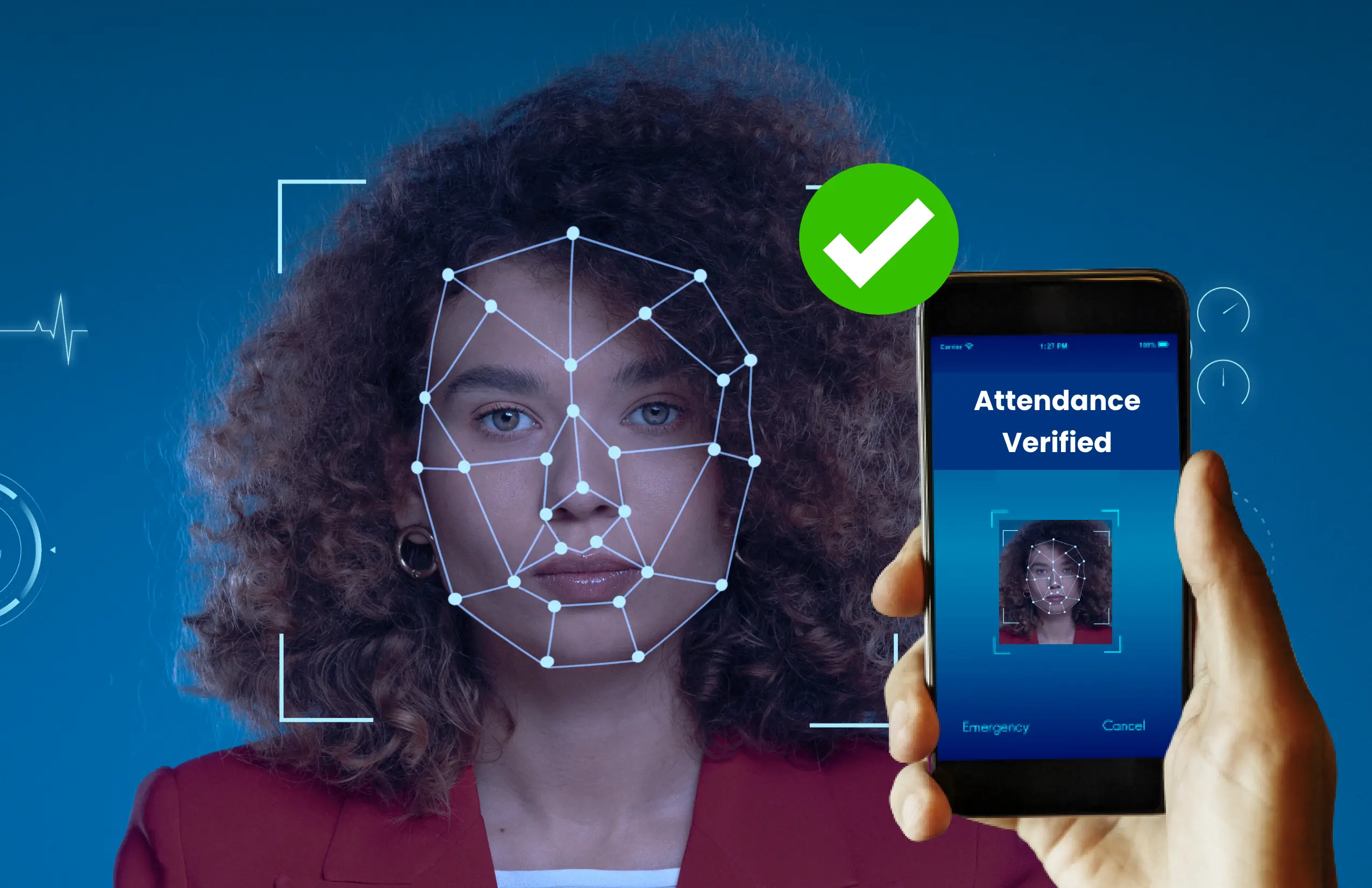
There are two main cases: internal staff and external visitors. For internal staff, information is registered in the company system in advance. At the access point, the user presents their face; after a successful face match, access is granted. This can combine access control and attendance tracking.
For external visitors, a visit can be scheduled through the company's mobile app or web portal and approved by staff. After approval, the visitor can use face recognition to gain access. Alternatively, an internal employee can invite a visitor, and the visitor confirms the appointment. This eliminates manual visitor registration and improves the visitor experience.
Application Scenarios
Face recognition visitor systems are used in a variety of environments. In business parks and office campuses, matching against a government identity database can help prevent misuse of false credentials and protect property. In residential communities, whitelist-based systems can allow entry only for residents or persons authorized by residents, improving community safety. Some systems are integrated with elevators so the elevator automatically takes a resident to their floor, which further enhances security.
Selecting a Vendor
Vendors that manufacture face recognition visitor systems vary in quality. Key factors to evaluate include recognition accuracy, recognition speed, and performance under different environmental conditions. Higher accuracy and robust performance across lighting and pose variations are essential. When possible, conduct on-site tests to verify recognition capabilities.
Integration capability is also important. Organizations often require additional features such as attendance tracking or face-ID matching. A system that can support required functional modules will better meet enterprise needs.
Evaluate the software user experience as well. Some vendors provide hardware and software but their software may be poorly designed, prone to bugs, or difficult to operate. Such systems should be avoided.
After-sales maintenance capability is another critical factor, since these systems are used frequently and may require servicing. When functional and support capabilities are comparable among options, compare price and choose a vendor that offers comprehensive features, reliable after-sales support, and competitive pricing.