ALLPCB


Overview
Since biometric authentication became the mainstream unlocking method for smartphones, the relative merits of different approaches—especially the primary fingerprint sensor locations—have become a frequent topic in the mobile community.
Common sensor placements
Fingerprint modules are typically placed in one of four locations: front physical sensor, rear physical sensor, in-display (front screen) sensor, and side-mounted sensor. In the bezel-less era, front physical sensors have largely disappeared, and rear sensors are often criticized for disrupting the back panel's continuity. As a result, many current high-end models favor either in-display fingerprint solutions, as used by Samsung and Huawei, or side-mounted sensors, as used by Sony and Honor.
Test setup
To compare user experience, we compared the recently released Honor 20 series with a mainstream smartphone that uses an in-display fingerprint sensor.
Technical principles
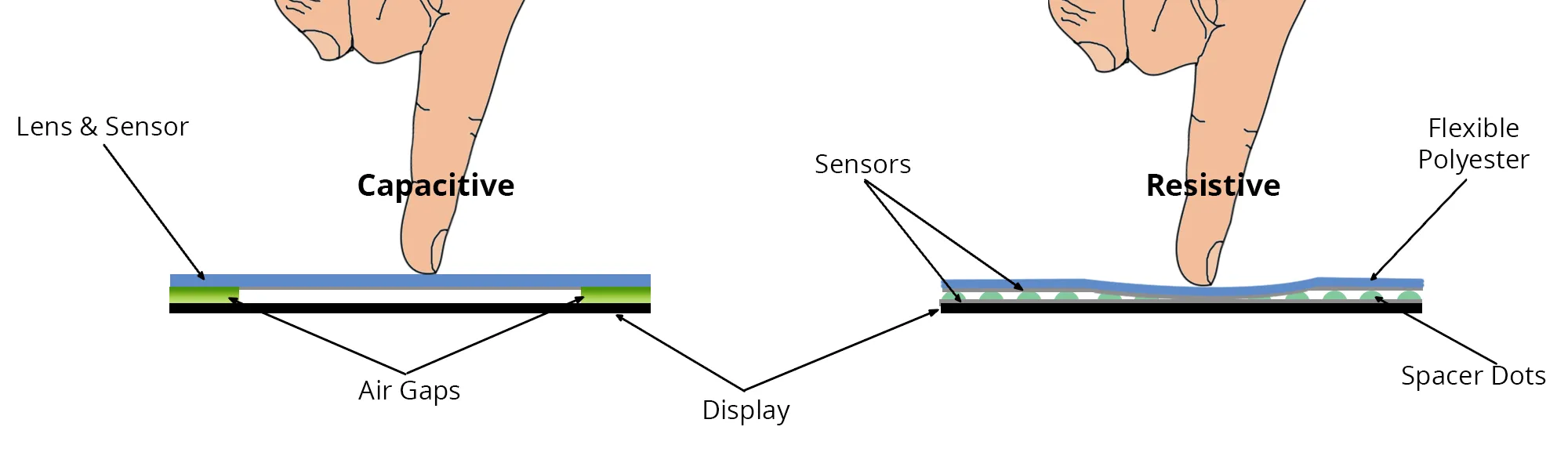
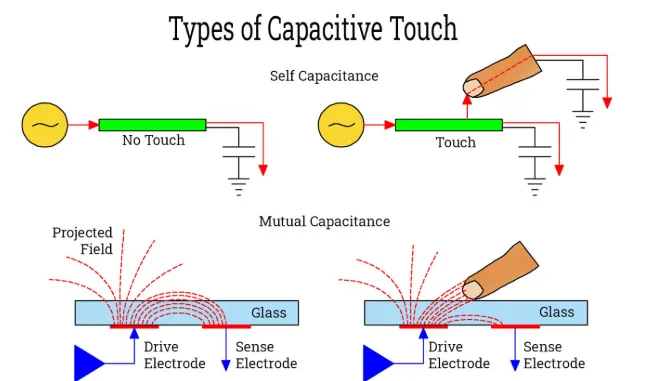
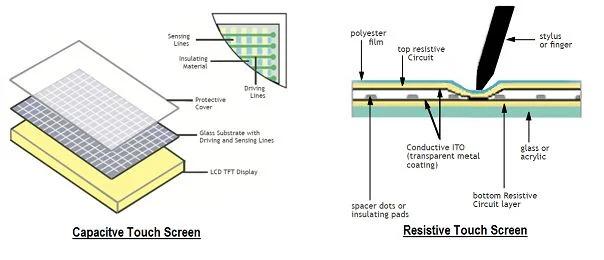
Capacitive fingerprint sensors work by forming an electric field between the sensor and the conductive subdermal fluids. Fingerprint ridges and valleys create local charge differences when pressed against the sensor. The sensor records these charge differences to reconstruct the fingerprint pattern for matching.
In-display fingerprint sensors are divided into two types: ultrasonic and optical. Both capture fingerprint information by emitting ultrasound or light from an internal emitter, then collecting reflections and passing them to an ultrasonic or image receiver to extract fingerprint data for matching. Compared with capacitive sensors, which are technically mature and have more straightforward operating principles, current in-display solutions still lag behind in recognition speed and accuracy. This gap becomes more pronounced under interfering conditions.
Interference and real-world performance
Whether the finger is oily, wet, or covered with dust, a side-mounted capacitive sensor is generally faster and more compatible than common optical in-display sensors. The difference is particularly noticeable when unlocking with wet hands: small water droplets can interfere with image capture for optical sensors, while capacitive sensors typically only require a quick shake to restore effective contact.
Because optical in-display sensors capture images while capacitive sensors record potential differences, capacitive designs tend to be more resistant to interference. This is one reason in-display fingerprint systems receive criticism. If the priority is device continuity and a seamless front surface, in-display sensors have a clear advantage over solutions that require adding a separate module. However, since smartphones are used very frequently, performance and reliability are often more important than pure aesthetics.
Usability and design trade-offs
Integrating the fingerprint sensor with the power button aligns better with user intuition, and compared with current in-display sensors—which have a relatively small detection area and lower recognition accuracy—this integration offers clear advantages. If future technology provides a convenient and truly invisible biometric solution, that would be ideal. For now, choosing between in-display and side-mounted fingerprint sensors depends on whether you prioritize unlocking success rate and efficiency.