ALLPCB


Touch-sensitive switches are common in daily life. Besides mechanical switches that connect or disconnect power by toggling or pressing, there are switches that sense human touch. These touch switches have existed for many years and offer advantages such as dust and moisture resistance, which help prevent damage.
1. Capacitive touch sensing
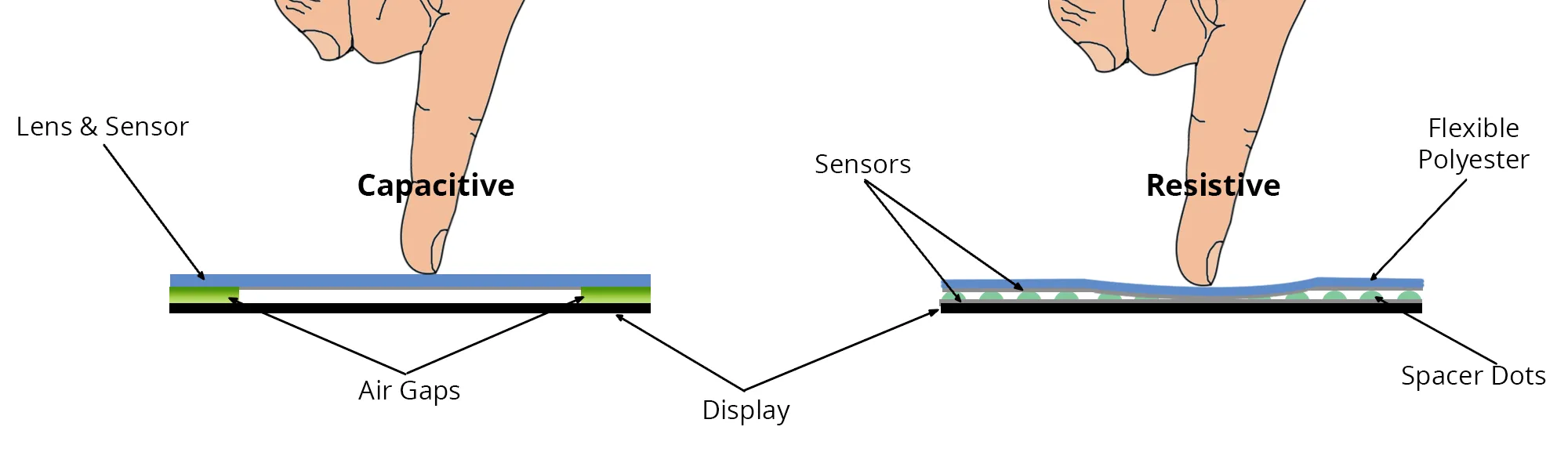
The most representative capacitive touch application is the smartphone: handwriting, games, and general touch input all rely on it. A capacitive touch screen typically consists of a transparent conductive film deposited on a glass panel, with a protective glass layer on top. A dual-glass design protects the conductive layer and the sensing elements.
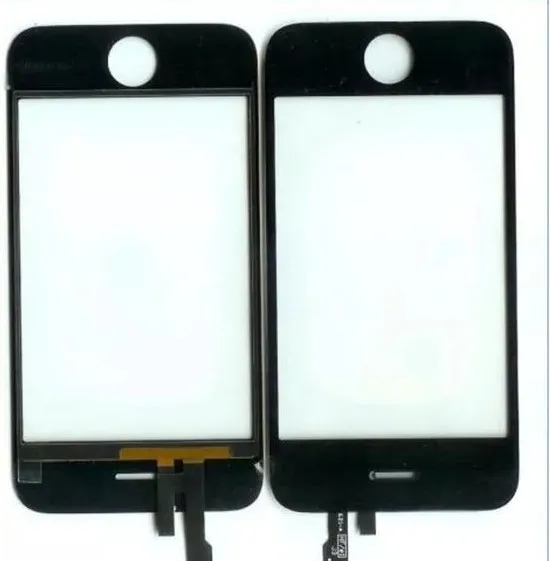
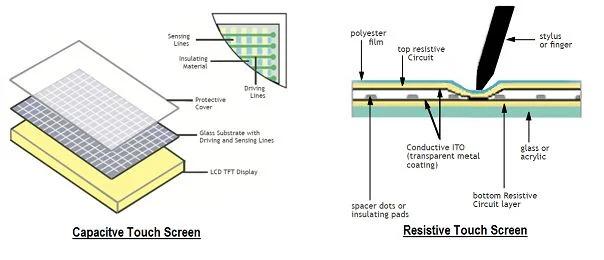
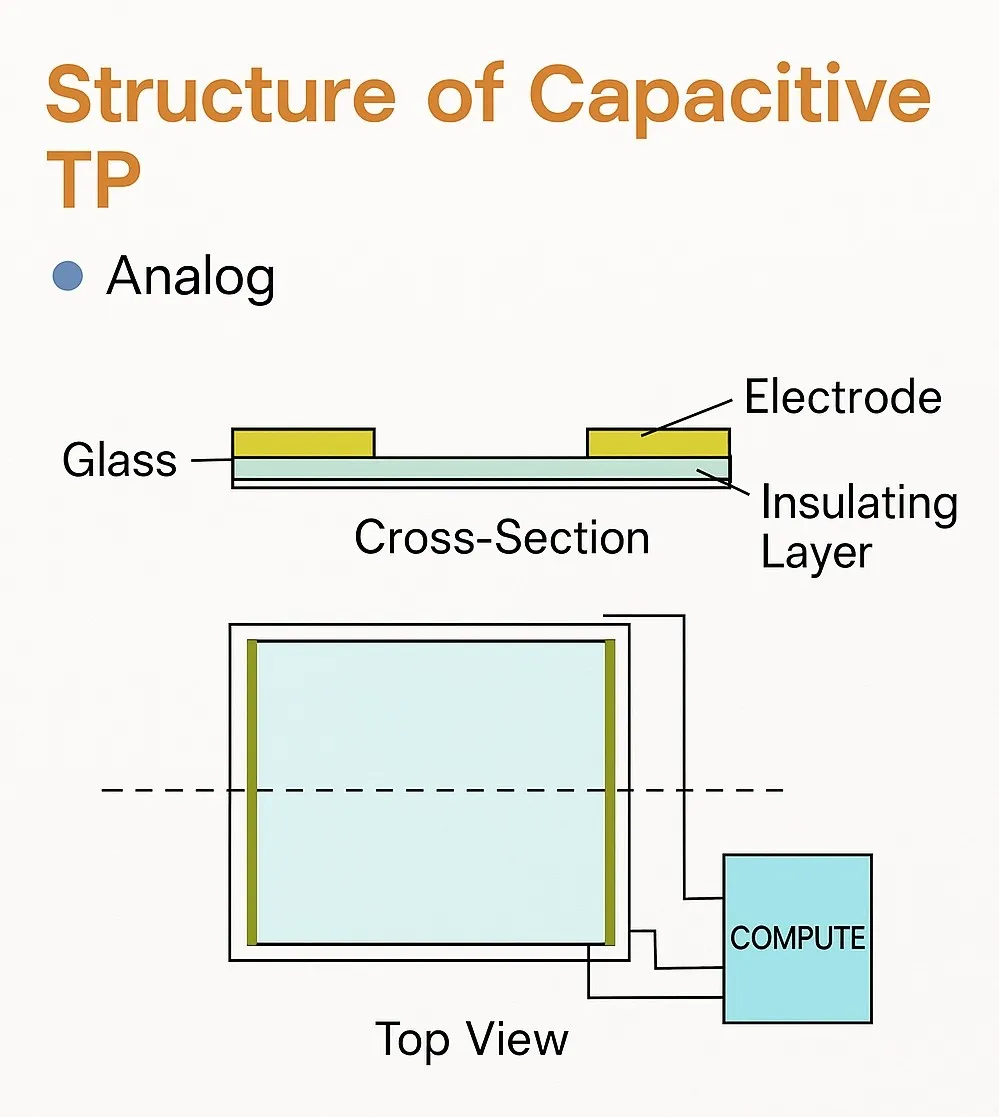
A capacitive touch panel can be viewed as a four-layer composite: an outer glass protective layer, a conductive layer, a non-conductive glass layer, and an inner conductive layer. The inner conductive layer acts as a shield for internal electrical signals. The middle conductive layer is the key sensing element; it has leads at the four corners or along the edges that detect touch positions.
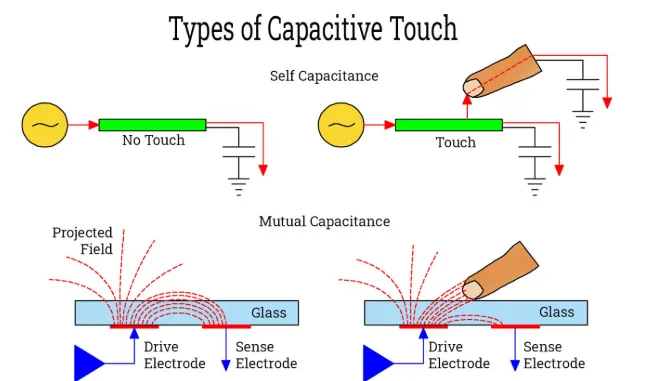
Electrodes plated along the four edges create a low-voltage AC field in the conductive layer. When a finger approaches the screen, the finger and the conductive layer form a coupling capacitance. Currents from the edge electrodes flow toward the touch point, and the current magnitude varies with the distance between the finger and each electrode. The controller behind the screen calculates the relative amplitudes to determine the touch coordinates. The double-glass structure not only protects the conductive layer and sensors but also reduces environmental influence; even with dirt, dust, or oil on the screen, a capacitive panel can still accurately determine touch position.
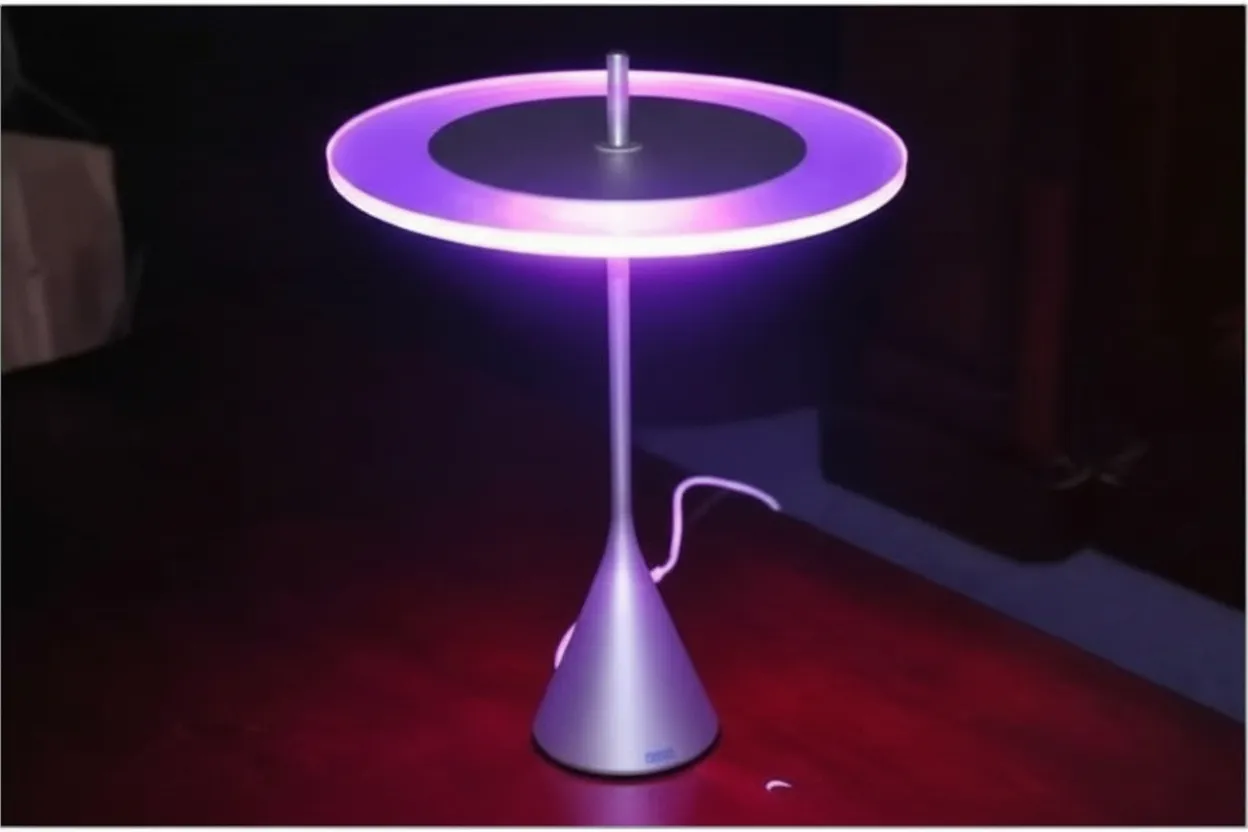
Capacitive touch is also used in touch-sensitive lamps for adjusting brightness and RGB color. The lamp and its surroundings have a certain capacitance. When you touch the lamp, your body increases the lamp's capacitance so the lamp and your body absorb more charge. The circuit detects this capacitance change and interprets it as a touch input to control brightness or color.
2. Resistive touch sensing
The human body contains water and is somewhat conductive. If two contacts are placed very close together, touching them with a finger can electrically connect them, implementing point-to-point detection.
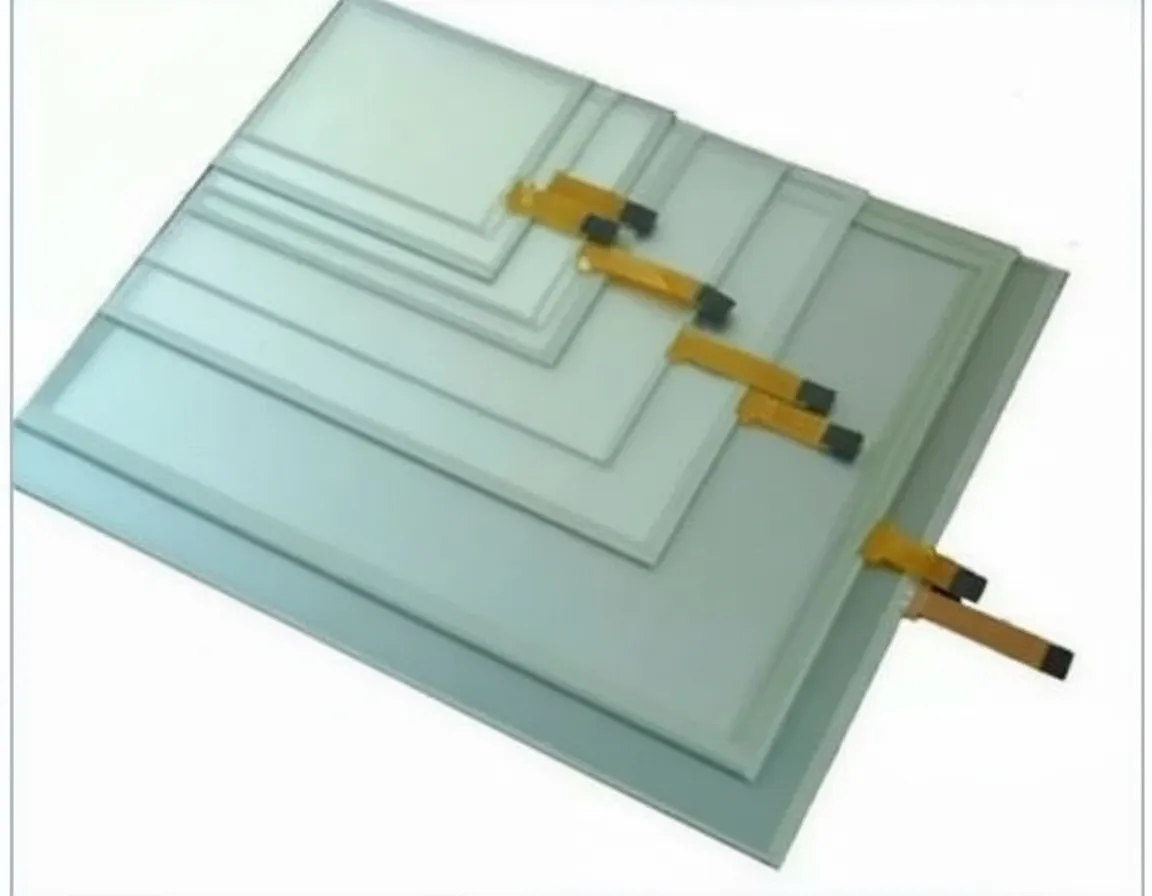
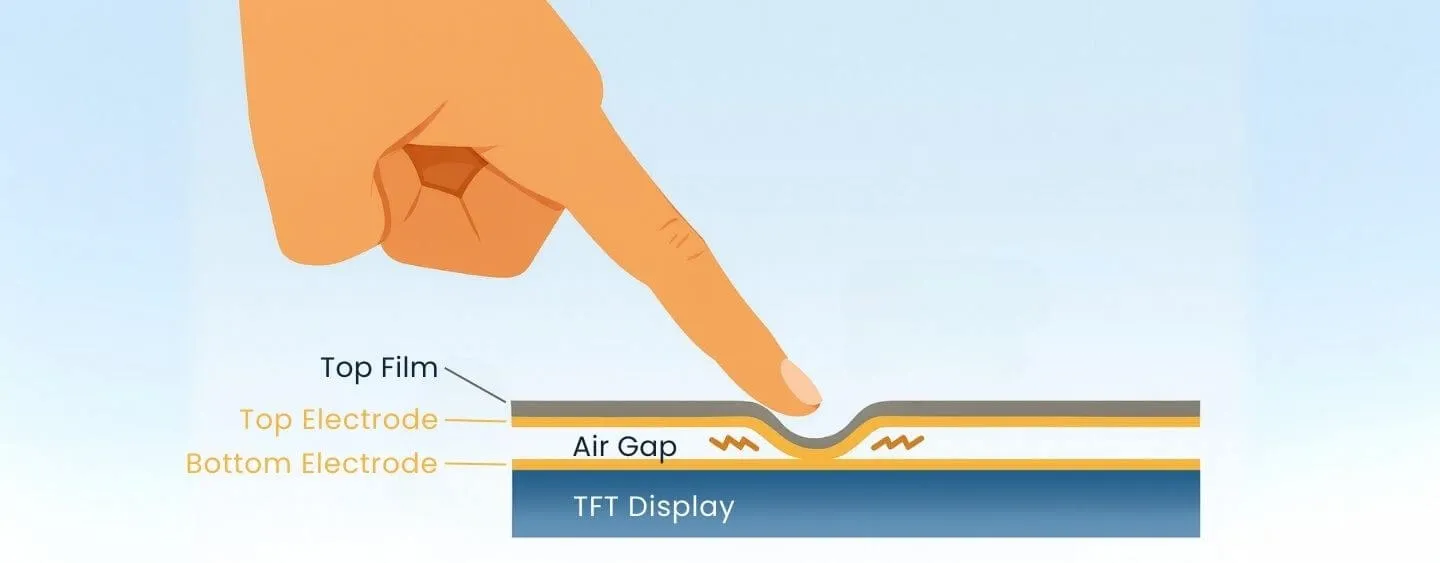
Resistive touch panels operate mainly by pressure sensing. The panel is made from multiple composite films. Typical layer structure includes a glass or acrylic bottom layer, a spacer layer, a top multi-resin layer, a transparent conductive coating, and a hard-coated smooth plastic surface. Two transparent conductive layers form the sensing surface; the separation between them can be as small as about 2.5 microns. When the top layer is pressed, the conductive layers make contact at the touch point. One conductive layer is driven with a uniform 5 V along one axis; the sensing layer's voltage changes from 0 to a nonzero value at the contact point. The controller performs A/D conversion and compares the measured voltage to 5 V to obtain the Y coordinate. The same method applied with driving along the orthogonal axis yields the X coordinate. This voltage-division method is the basic principle for all resistive touch panels.
3. Radio-reception touch sensing
The human body acts as an effective antenna. You may have noticed improved reception when touching a TV or radio antenna. Some small LCD TVs include a conductive lanyard that lets the user act as the antenna. Certain touch switch designs detect changes in radio-wave reception when touched and use that as the sensing mechanism.
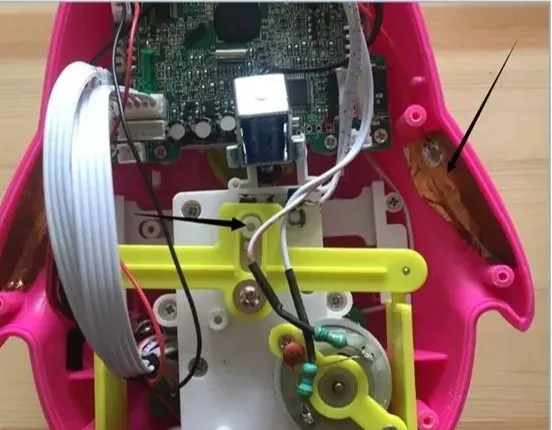
For example, a metal tab found in a teardown of a children's audio device implements this principle. Some induction cooker controls and other appliance touch switches also rely on radio-reception changes for detection.
Conclusion
- Capacitive sensing is the most widely used and dominant technology. However, the capacitance change produced by a finger about 5 mm from the touch panel is typically less than 0.5 pF. Such small signals are highly sensitive to humidity, temperature, electromagnetic interference, and power supply noise, which can significantly affect detection results.
- Resistive sensing was common in early mobile phones but has largely been replaced by capacitive solutions. It is still used in many industrial applications.
- Radio-reception sensing is relatively low cost and is common in home appliances such as induction cookers and desk lamps.
- Other sensing methods exist but are less common in electronic products, including sound-activated switches, temperature switches, and infrared switches; these are not detailed here.