ALLPCB


Introduction
The recent release of the Apple Vision Pro has energized the XR community. This article summarizes common optical and display solutions used in AR glasses.
Optical display options
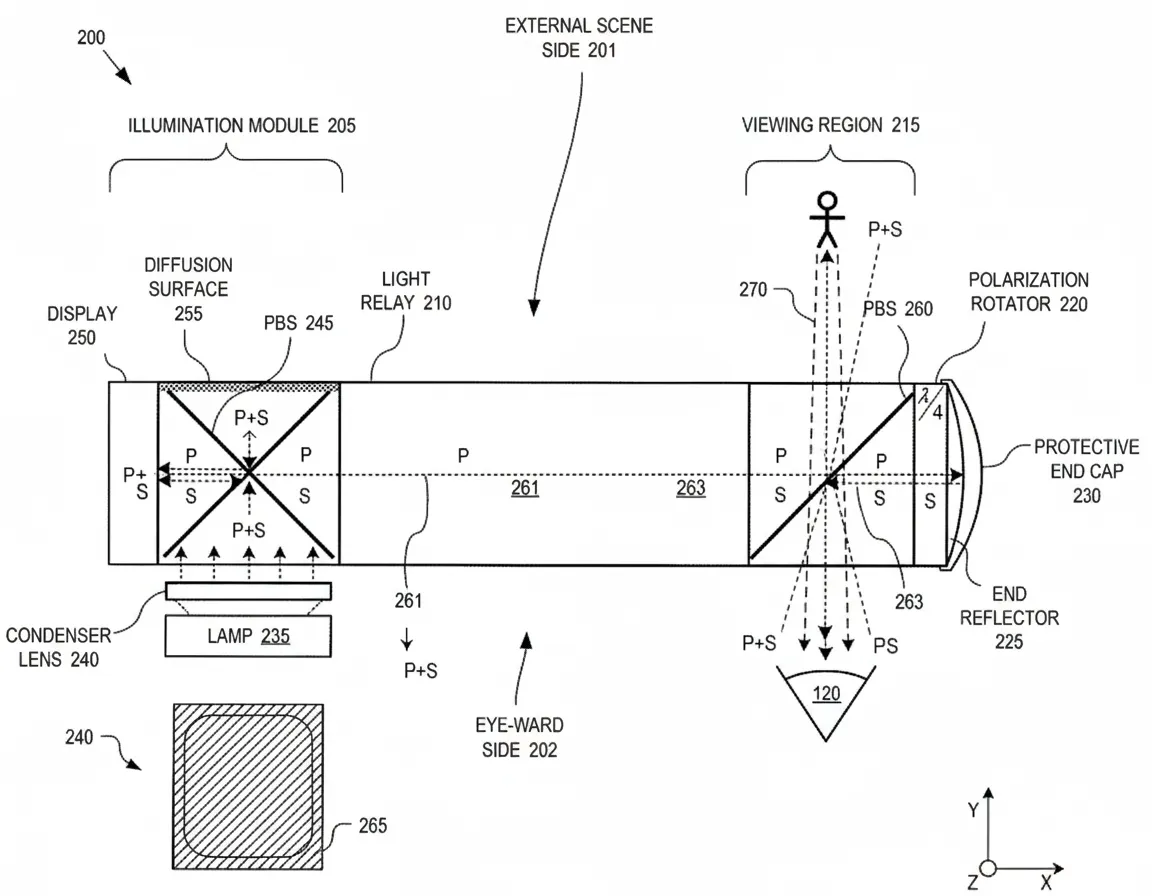
1) LCOS + prism
Advantages: low cost, compact size.
Disadvantages: small field of view, may obstruct vision.
Representative product: Google Glass.
Principle diagram:
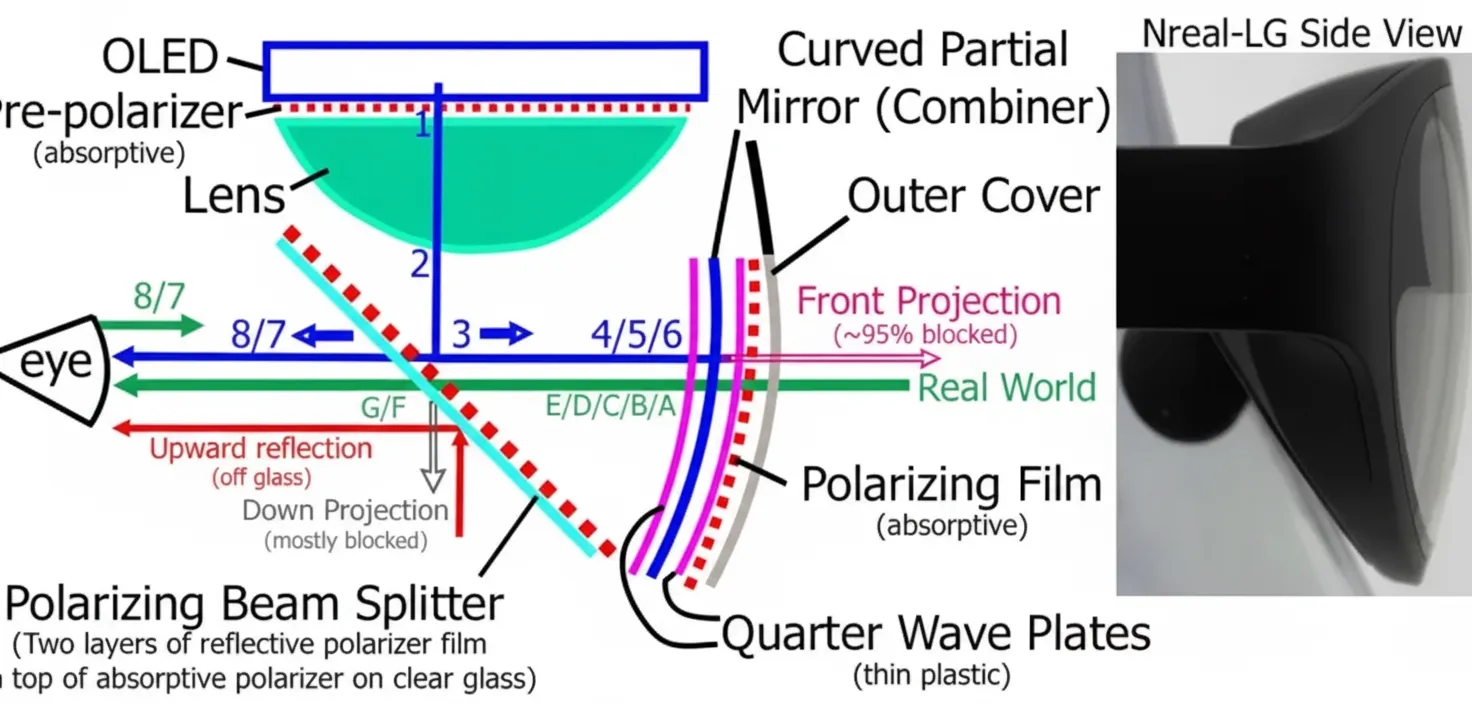
2) Micro OLED + BirdBath / freeform
Advantages: good contrast, high resolution, accurate color, large field of view, low power consumption, moderate size.
Disadvantages: Micro OLED has relatively low brightness and limited see-through transparency.
Representative product: Lei Niao Air 1S.
Principle diagram:
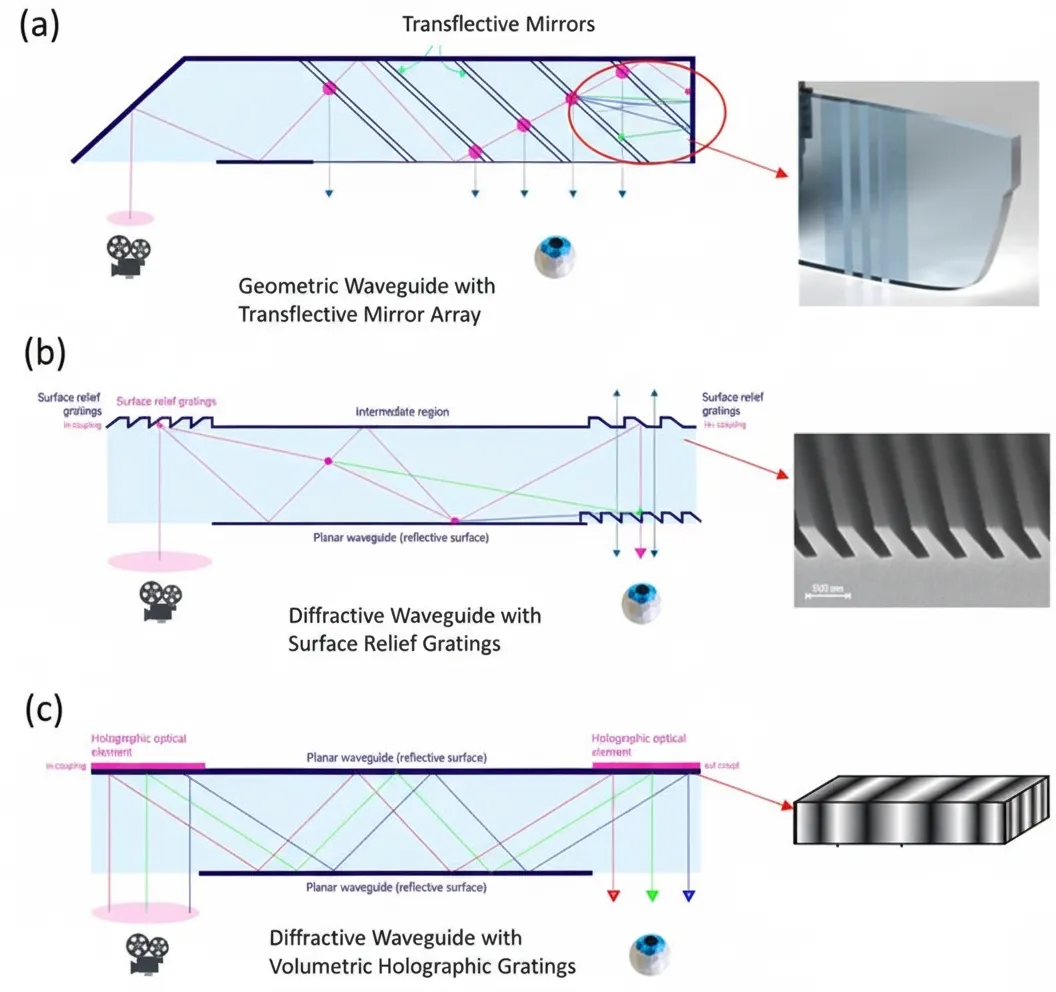
3) LCOS/DLP + waveguide
Advantages: high brightness, high resolution, moderate power consumption, large field of view, large eye box, very thin and lightweight, high see-through transparency.
Disadvantages: somewhat inferior color and contrast.
Representative product: Magic Leap 1.
Principle diagram:
4) LBS + holographic reflective film
Advantages: compact size, low power consumption, high see-through transparency.
Disadvantages: small field of view, small eye box, low contrast, poorer color.
Representative product: North Focals.
Considering display performance and overall device portability, current industry R&D is widely focused on Micro LED + waveguide, which is regarded as the prevailing development direction.
Display technologies
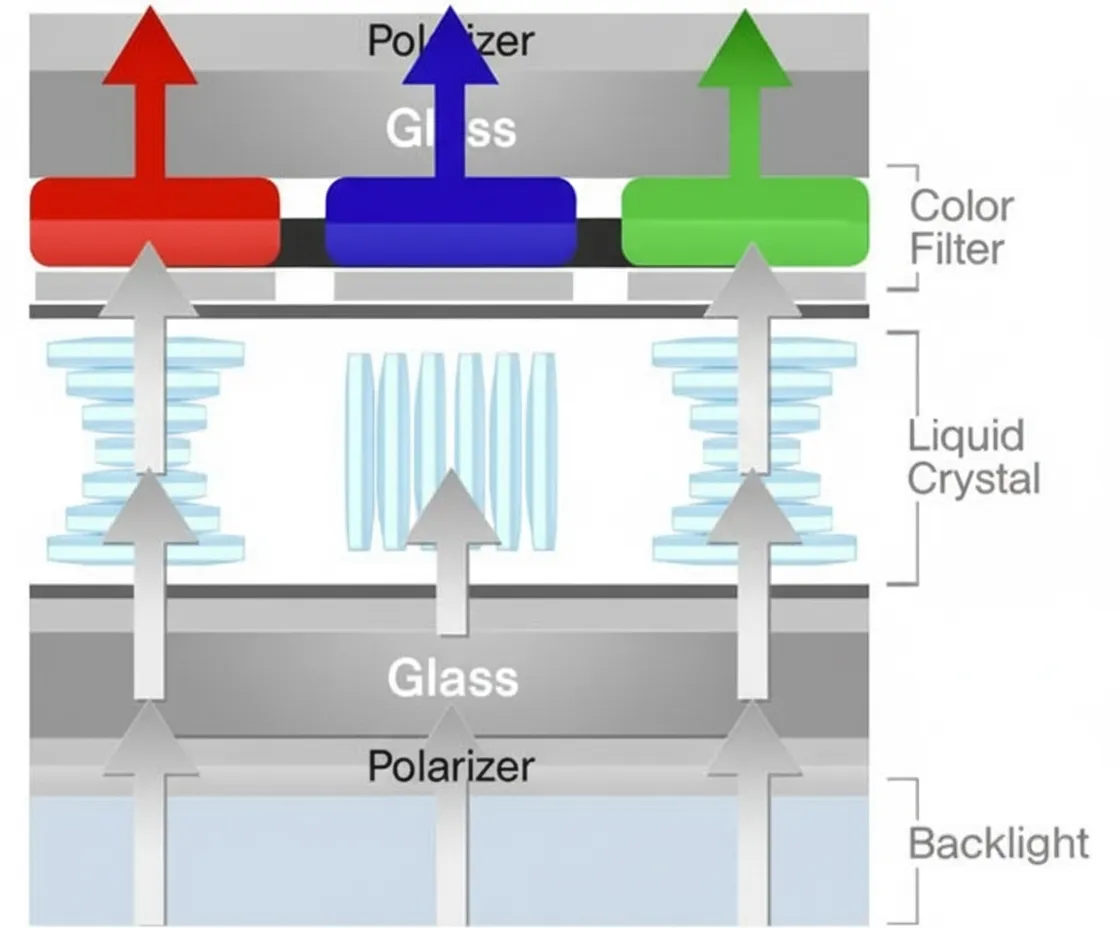
1) LCD
Advantages: wide color gamut, long lifetime, mature technology, low cost.
Disadvantages: low optical efficiency, low contrast.
Display principle: transmissive LCD.
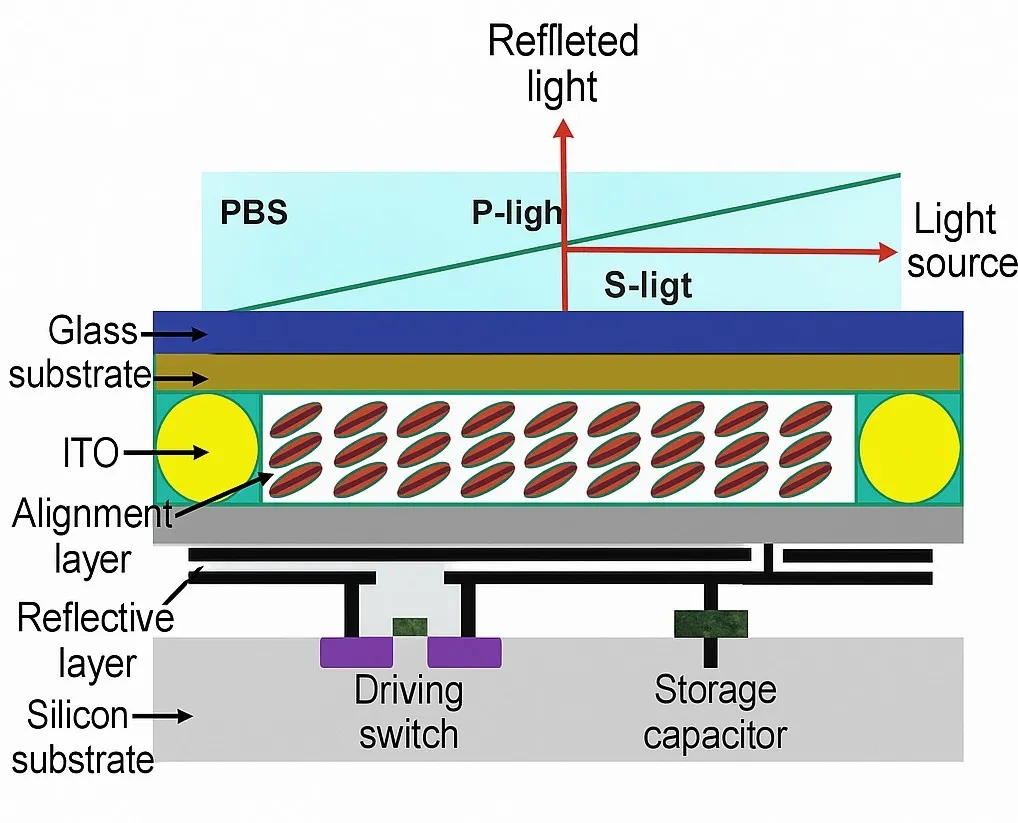
2) LCOS
Advantages: high resolution, wide color gamut, high optical efficiency, moderate brightness, small module size, moderate power consumption, low cost.
Disadvantages: slow response speed, low contrast.
Display principle: reflective LCD.
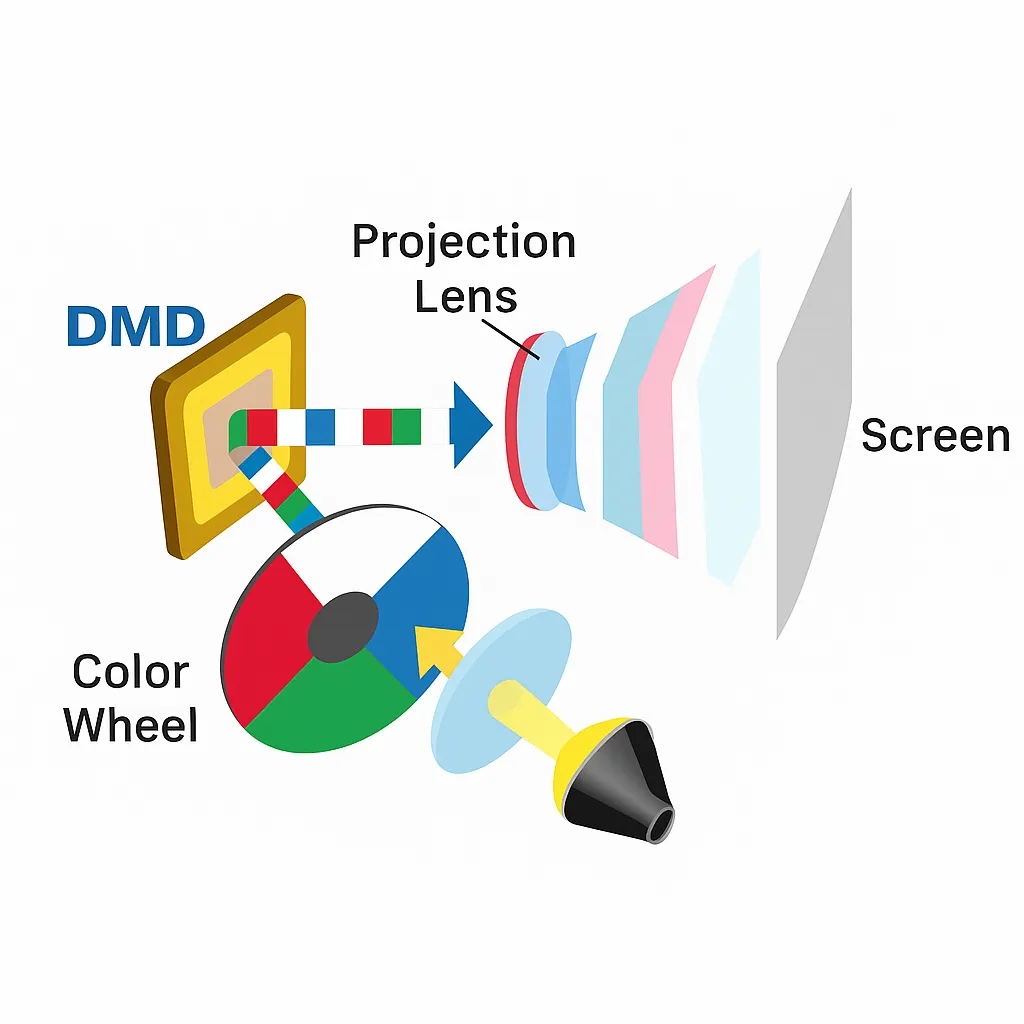
3) DLP
Advantages: high brightness, high optical efficiency, fast response speed.
Disadvantages: complex design, large size, high power consumption, high cost.
Display principle: digital micromirror array.
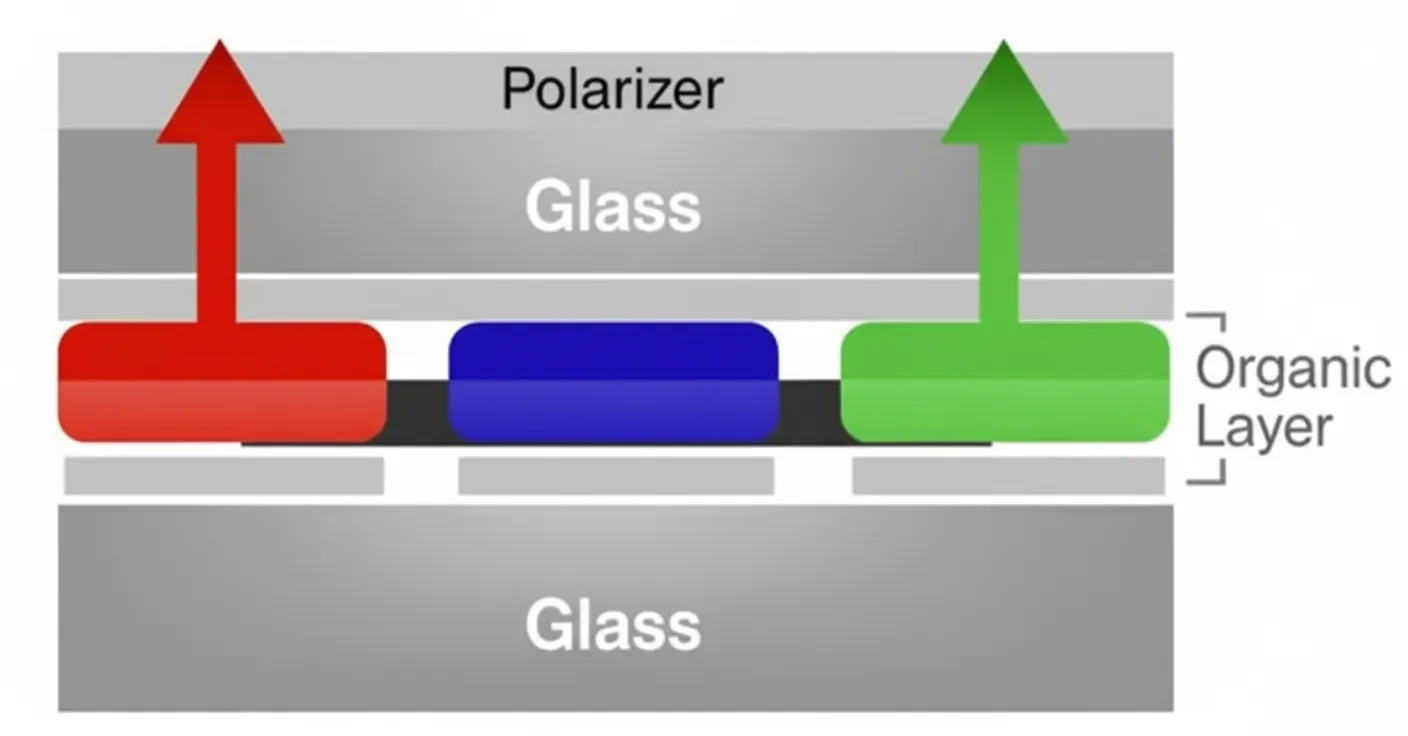
4) Micro OLED
Advantages: fast response, small size, low power consumption, moderate maturity.
Disadvantages: low brightness, high cost.
Display principle: self-emissive.
5) Micro LED
Advantages: fast response, small size, high brightness, long lifetime, low power consumption.
Disadvantages: low maturity, high cost, currently difficult for mass production.
Display principle: self-emissive.