ALLPCB


Working principles of AR and VR
AR and VR operate by using digital technologies to alter a user’s perception of the real or virtual world. Although they share similarities, their underlying approaches differ.
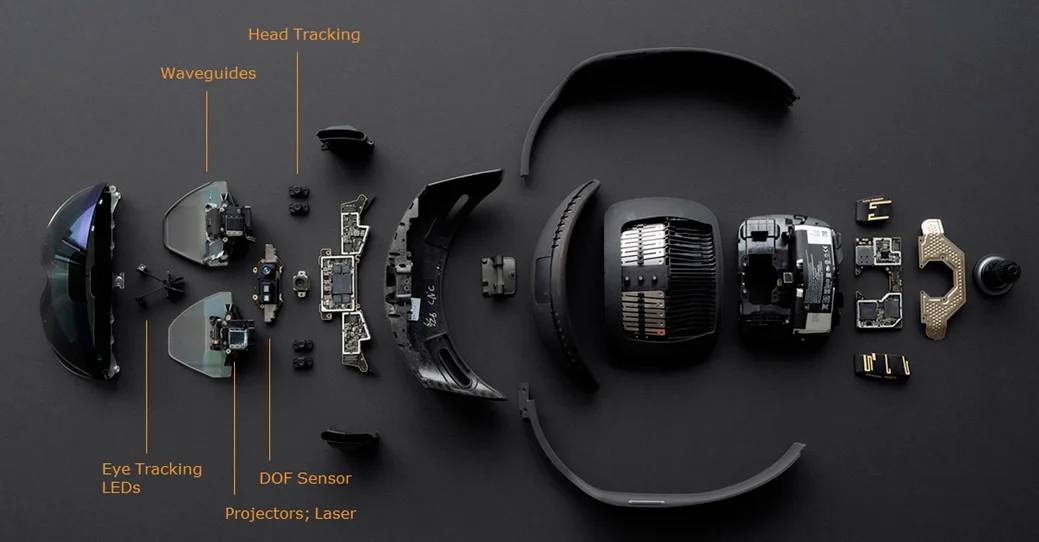
AR uses computer vision and other sensors to perceive the real world, then integrates digital information into that perceived environment. The virtual images and information are displayed on devices such as smartphones, tablets, or smart glasses.
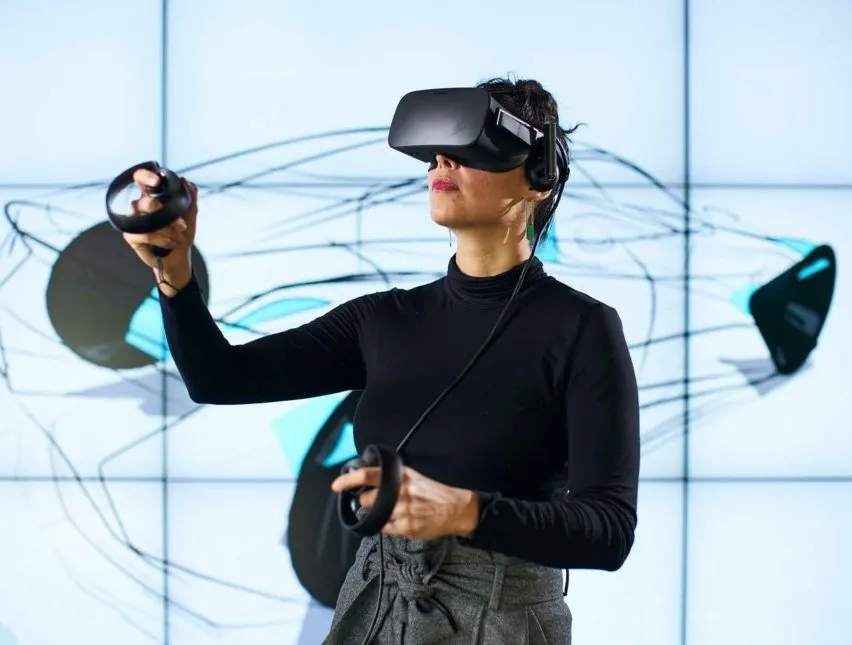
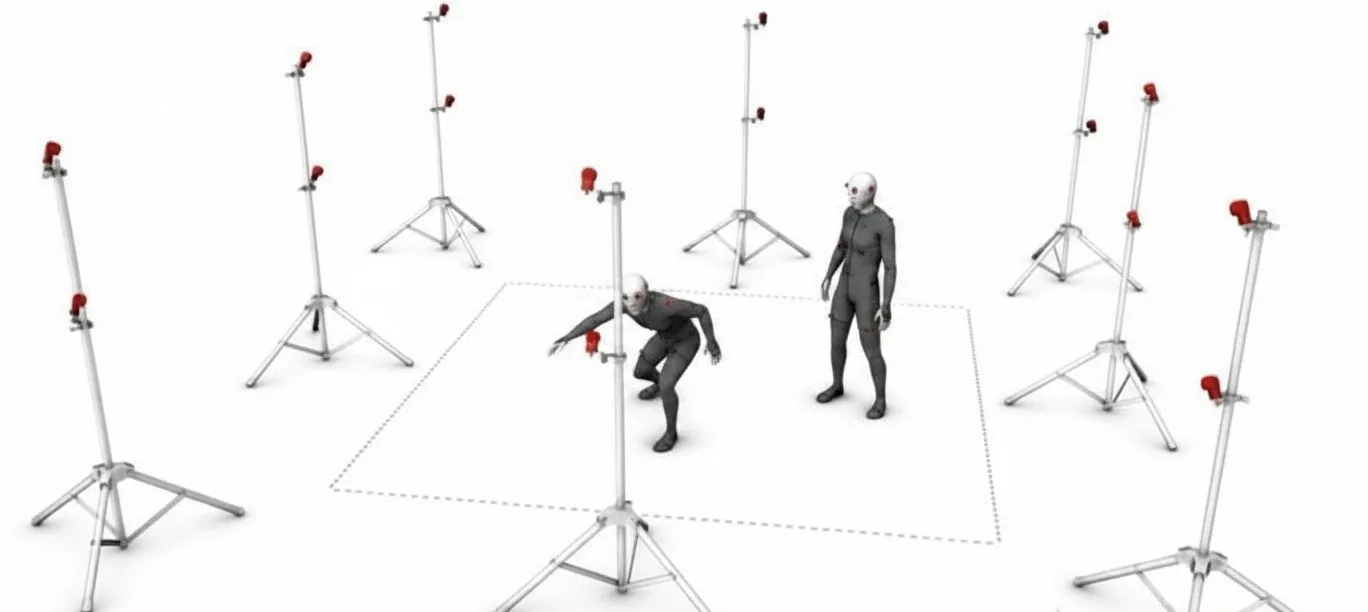
VR relies on a set of advanced techniques, including 3D modeling, motion tracking, and spatial audio, to simulate a fully virtual environment. By wearing VR headsets and using interaction devices, users can experience immersive virtual scenarios that make them feel as if they are in another world.
Augmented reality (AR): advantages, limitations, and uses
Advantages
AR can enhance the realism and interactivity of the real world.
It has broad applications across education, gaming, entertainment, healthcare, and retail.
AR can improve users’ situational awareness and experience.
Limitations
AR devices can be expensive, and technical challenges remain, such as limitations in the accuracy of real-world image recognition.
Real-time AR performance depends on device capability, network latency, and power consumption.
Uses
In gaming, AR can enhance immersion; in tourism, it can provide richer contextual information.
AR is also used in healthcare for surgery support, training, and remote consultations.
Virtual reality (VR): advantages, limitations, and uses
Advantages
VR places users inside a virtual world, significantly increasing immersion and visual impact.
It can be applied across education, gaming, film, and tourism.
Limitations
VR hardware can be costly, which limits consumer adoption.
Issues such as device comfort, motion-induced discomfort, dizziness, and nausea remain challenges.
Uses
VR is used in education, museums, tourism, and healthcare, for example in anatomy teaching, cultural heritage preservation, and surgical training.
In gaming, VR delivers a more immersive player experience.
Key differences between AR and VR
Both AR and VR are digital technologies that change how people perceive the real or virtual world, but they differ in purpose and approach:
AR overlays digital information onto the real environment. It displays virtual images and data on devices such as smartphones, tablets, or smart glasses while retaining the original surroundings. AR adds virtual elements to the real environment to enable interaction and collaboration, focusing on real-time, responsive, and easy-to-use experiences that provide relevant information to the user.
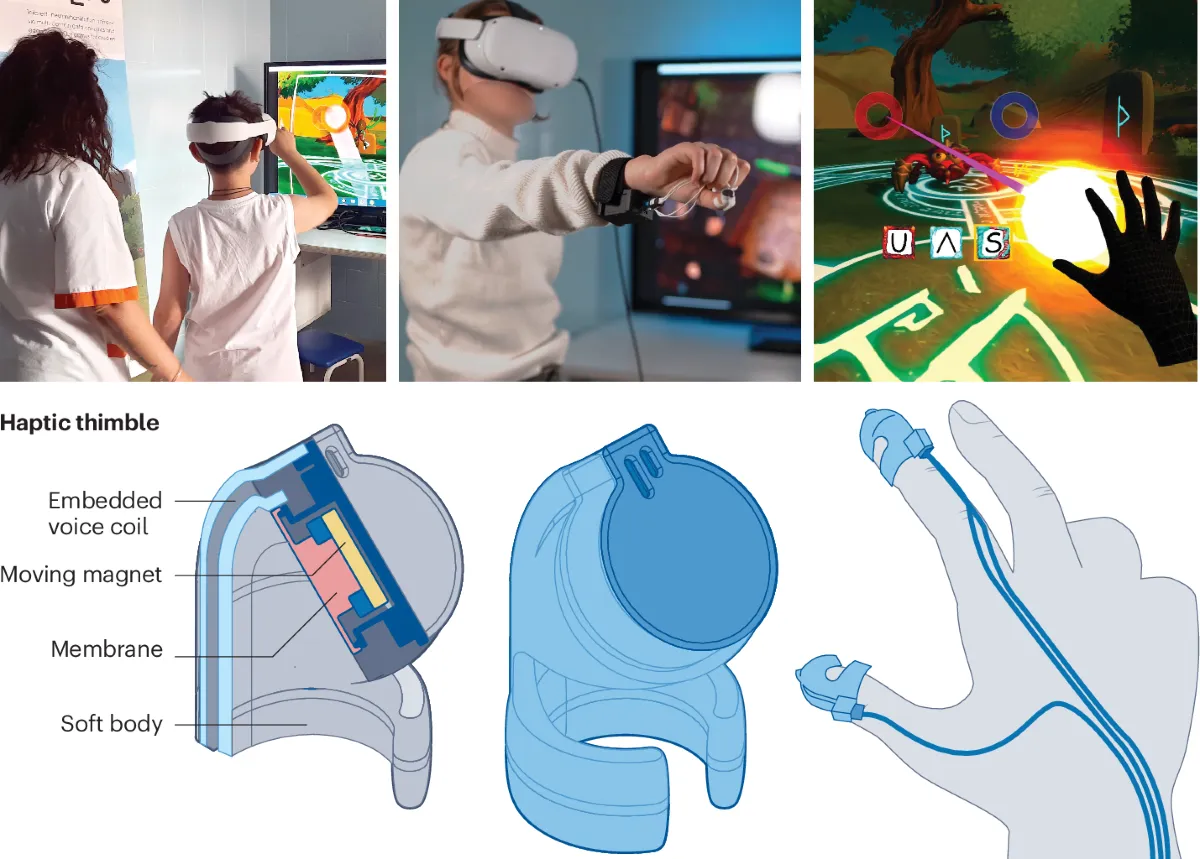
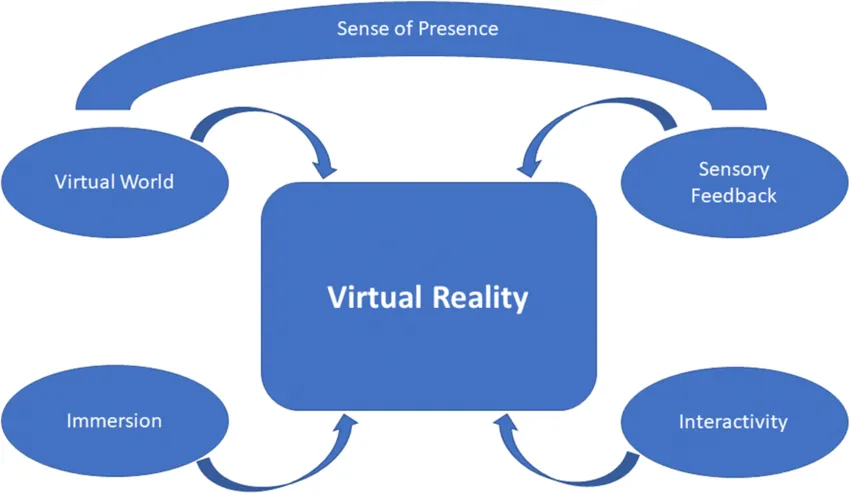
VR aims to create an immersive world and fabricate sensory experiences within a controlled environment. By using VR hardware, combined with visual, auditory, haptic, and motion-tracking technologies, users feel present within a virtual environment. VR seeks to construct an environment that is completely different from the real world, and users are typically confined to that virtual setting.
In short, AR augments the real environment with digital information, while VR provides a simulated virtual experience; their goals and methods are distinct.