ALLPCB


Overview
AR hardware remains expensive, and the AR experience on smartphones is still relatively rudimentary.
Forms of AR hardware
Handheld devices
Handheld devices are represented by smartphones, which inherently include elements required for AR: gyroscope, GPS, camera, and powerful processors. However, smartphones still have significant limitations in terms of interaction.
Fixed AR systems
Virtual fitting mirrors in retail stores are one example. When a shopper stands in front of the screen, the mirror displays a 3D image of how clothes would look without the shopper having to change garments. Fixed AR systems are suited to locations that require larger displays or higher resolution. Unlike mobile AR devices, these mostly stationary systems can accommodate more advanced camera systems and thus achieve more precise person and scene recognition.
Head-mounted displays (HMDs)
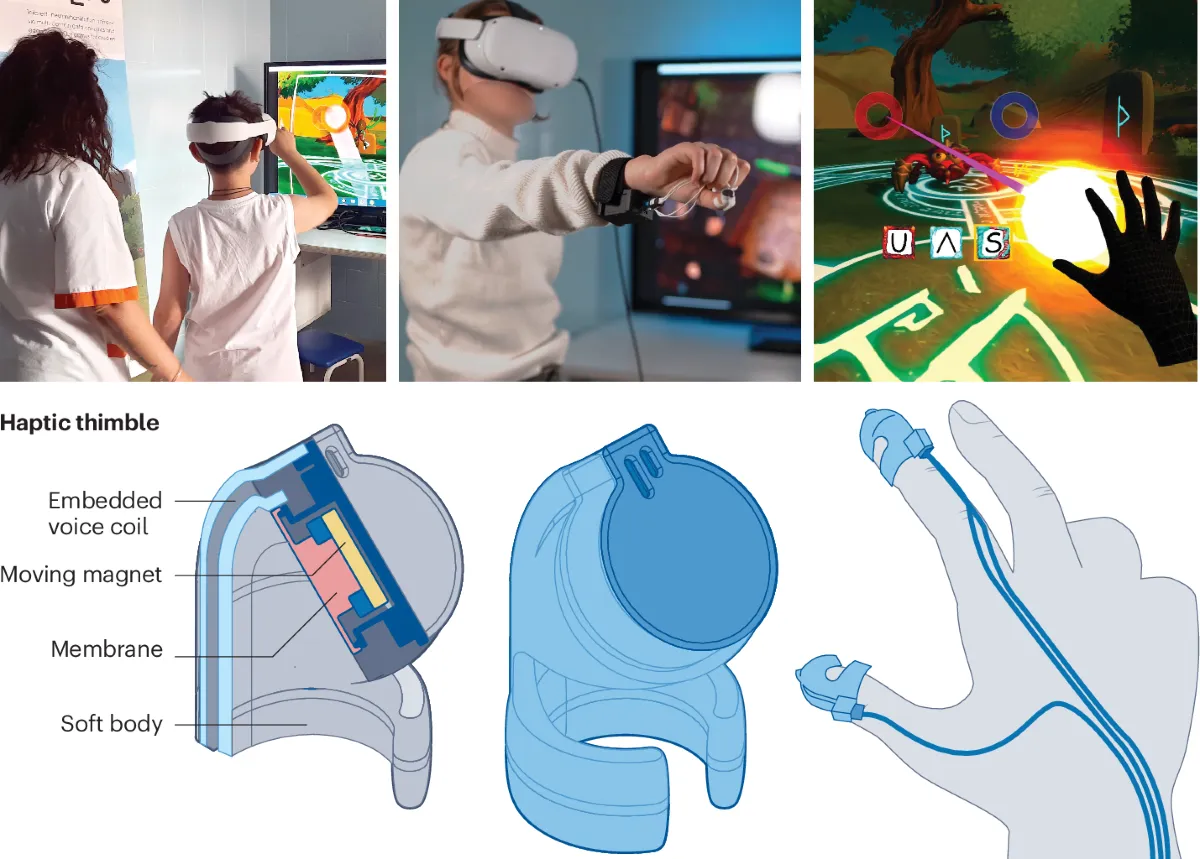
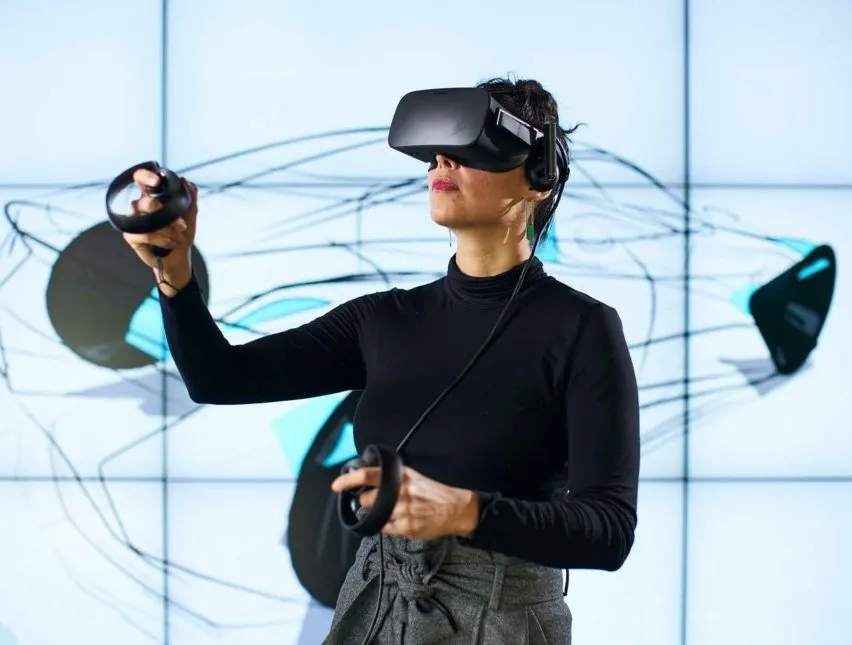
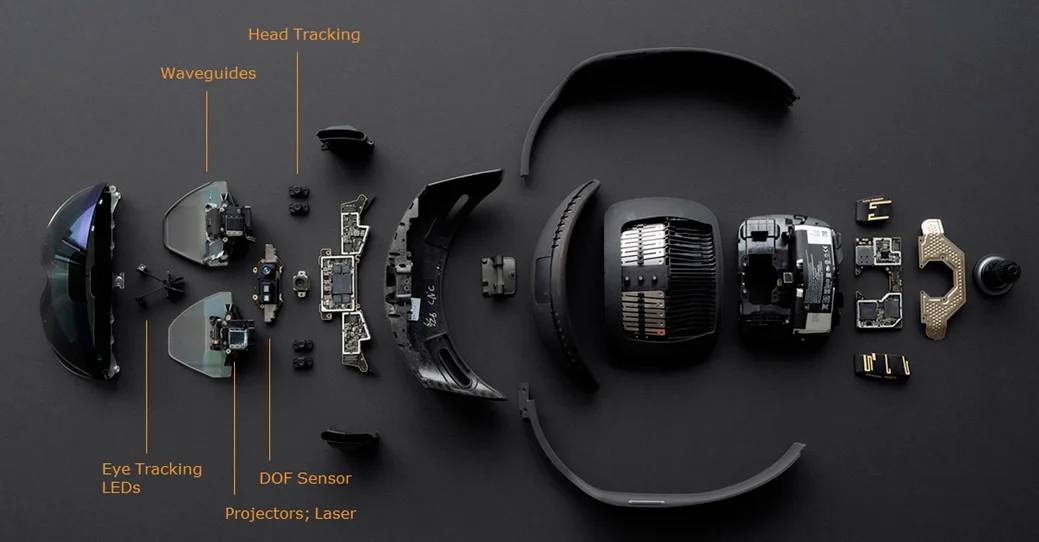
HMDs represent a rapidly evolving category of AR hardware. An HMD consists of a head-worn device, together with one or more micro displays. HMDs overlay virtual objects onto the user’s field of view, so the user sees an augmented video feed rather than an unobstructed view of the real world.
Spatial augmented reality systems (SAR)
SAR systems project virtual content directly onto the real world and are typically fixed in the environment. Any physical surface, such as walls, tables, foam, wooden blocks, or even the human body, can become an interactive display. As projector size, cost, and power consumption decrease and 3D projection improves, new forms of interaction and display continue to emerge.
Smart glasses
Smart glasses are integrated devices combining eyewear, a display, a camera, and a microphone. The device captures the user’s real-world view, augments it, and presents the augmented view back to the user through or via reflections from the lenses. Notable examples include Google Glass and the Vuzix M100.
AR product system architecture
Virtual models are rendered and output into the real world through the selected display and interaction mechanisms.
Key AR hardware technologies
1. Object detection and recognition
The goal of object detection and recognition is to discover and locate targets within a scene. Common tasks in AR include face detection, pedestrian detection, vehicle detection, gesture recognition, biometric identification, emotion recognition, and natural scene recognition.
Technical challenge: insufficient data to fully mature deep learning approaches.
2. AR display technologies
Video see-through HMDs use miniature cameras mounted on the headset to capture images of the external environment and feed those images to the display. Optical see-through HMDs use a pair of semi-reflective, semi-transparent lenses mounted in front of the eyes to fuse the real scene with the virtual scene.
Light field displays do not rely on a conventional screen. They record and reproduce the light field to render virtual objects. By presenting images at different depths, users can actively focus on near or far elements, which is a major advantage of light field displays.
Technical challenges: each approach has its own trade-offs; light field technology has particular potential.