ALLPCB


In today’s world, sustainability is no longer just a buzzword—it’s a necessity. For the electronics industry, finding eco-friendly solutions for packaging PCB components is critical. If you’re searching for eco-friendly PCB packaging materials, biodegradable component packaging, or sustainable electronics shipping options, you’ve come to the right place. This blog post dives deep into innovative alternatives to traditional plastic packaging, offering practical insights and actionable ideas for a greener future in electronics manufacturing.
At ALLPCB, we understand the importance of balancing functionality with environmental responsibility. Below, we’ll explore why moving beyond plastic matters, the challenges of traditional packaging, and the sustainable materials and strategies that can transform how PCB components are packaged and shipped.
Why Move Beyond Plastic in PCB Packaging?
Plastic has long been the go-to material for packaging PCB components due to its low cost, durability, and versatility. However, its environmental impact is undeniable. According to global estimates, over 300 million tons of plastic are produced annually, with a significant portion ending up in landfills or oceans. In the electronics industry, plastic packaging contributes to e-waste, which is already a growing problem—over 50 million tons of electronic waste were generated worldwide in 2019 alone.
For PCB manufacturers and suppliers, relying on plastic not only harms the environment but also risks damaging brand reputation as customers increasingly demand sustainable practices. Switching to eco-friendly alternatives can reduce waste, lower carbon footprints, and align with global sustainability goals. Let’s look at the challenges of traditional packaging and why sustainable options are the way forward.

The Challenges of Traditional Plastic Packaging for PCBs
Plastic packaging, while effective in protecting delicate PCB components from moisture, static, and physical damage, poses several challenges:
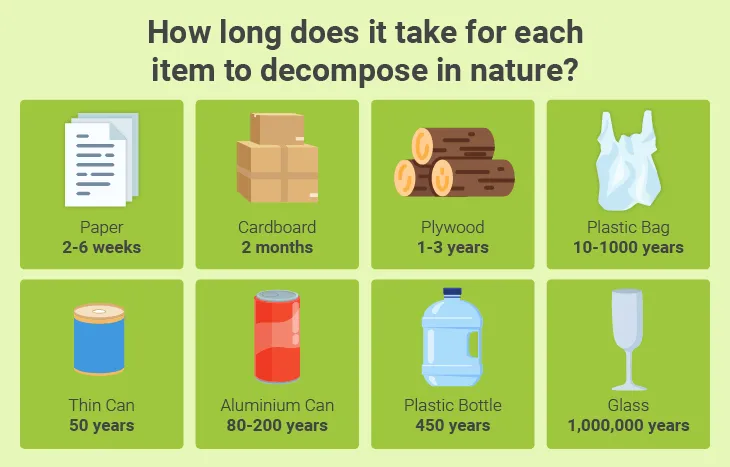
- Non-Biodegradable Nature: Most plastics take hundreds of years to decompose, contributing to long-term pollution.
- Recycling Limitations: Many types of plastic used in electronics packaging are not easily recyclable due to mixed materials or contamination.
- Carbon Footprint: Producing and disposing of plastic releases significant greenhouse gases, with studies estimating that plastic production accounts for about 3.8% of global emissions.
- Consumer Perception: As awareness grows, businesses using unsustainable packaging may lose favor with eco-conscious clients and partners.
These challenges highlight the urgent need for alternatives that maintain the protective qualities of plastic while minimizing environmental harm. Fortunately, advancements in materials science have opened up new possibilities for sustainable packaging in the electronics sector.
Eco-Friendly PCB Packaging Materials: Sustainable Alternatives
Switching to eco-friendly PCB packaging materials doesn’t mean compromising on quality or protection. Below are some of the most promising alternatives that are reshaping the industry:
1. Biodegradable Plastics and Bioplastics
Bioplastics, derived from renewable sources like corn starch or sugarcane, offer a viable alternative to traditional plastics. Unlike conventional plastics, bioplastics can break down under specific conditions, reducing long-term waste. Some bioplastics are designed to be compostable, making them an excellent choice for biodegradable component packaging.
For PCB components, bioplastic trays and films can provide anti-static properties while being kinder to the environment. While they may not yet match the durability of petroleum-based plastics, ongoing research is improving their strength and versatility.
2. Paper-Based Packaging Solutions
Paper and cardboard are among the most widely used sustainable materials for packaging. They are recyclable, biodegradable, and often made from recycled content. For electronics, molded pulp trays—made from recycled paper fibers—can be customized to hold PCB components securely, offering protection against shocks during shipping.
Paper-based solutions are especially effective for sustainable electronics shipping. They can be combined with biodegradable adhesives or tapes to create fully compostable packaging systems. Some companies even use paper foam, a lightweight material that mimics the cushioning of plastic foam but decomposes naturally.
3. Plant-Based Foams and Fillers
Plant-based foams, made from materials like starch or cellulose, are emerging as a replacement for Styrofoam and other plastic-based cushioning materials. These foams provide excellent shock absorption for delicate electronics, ensuring that PCB components remain safe during transit.
Unlike traditional foams, plant-based options are compostable and leave minimal environmental impact. They are particularly useful for filling empty spaces in shipping boxes, a key aspect of sustainable electronics shipping.
4. Recycled and Reusable Materials
Using recycled materials for packaging not only reduces waste but also conserves resources. Recycled plastics, when used thoughtfully, can lower the demand for virgin materials. Additionally, designing packaging for reuse—such as sturdy containers that customers can return or repurpose—can further enhance sustainability.
For PCB packaging, reusable anti-static bags or containers made from recycled materials can protect components while aligning with eco-friendly goals. This approach also appeals to businesses looking to cut costs on packaging over time.
5. Innovative Biodegradable Films
Biodegradable films made from polylactic acid (PLA) or other natural polymers are gaining traction for wrapping and protecting PCB components. These films can be engineered to offer moisture resistance and static protection, critical for electronics, while breaking down naturally after use.
These films are a promising solution for biodegradable component packaging, especially for smaller parts that require individual wrapping. As technology advances, the performance of these films continues to improve, making them a strong contender against plastic.
Benefits of Adopting Sustainable Packaging for PCB Components
Transitioning to sustainable packaging offers multiple advantages for electronics manufacturers and suppliers. Here’s why making the switch is worth it:
- Environmental Impact: Reducing reliance on plastic cuts down on pollution and waste. For instance, using biodegradable materials can decrease landfill contributions by up to 60% in some cases, depending on the material and disposal methods.
- Brand Reputation: Companies that prioritize sustainability often gain trust and loyalty from customers who value eco-friendly practices.
- Cost Savings: While initial costs for sustainable materials may be higher, long-term savings can be achieved through reduced waste management expenses and potential tax incentives for green initiatives.
- Regulatory Compliance: Many regions are implementing stricter regulations on plastic use. Adopting sustainable packaging now can help businesses stay ahead of future mandates.
Practical Steps to Implement Sustainable Electronics Shipping
For businesses ready to embrace sustainable electronics shipping, the transition can be smooth with the right approach. Here are actionable steps to get started:
- Assess Current Packaging: Evaluate the materials and processes currently in use to identify areas for improvement. Look at the volume of plastic used and opportunities to replace it.
- Partner with Suppliers: Work with packaging suppliers who specialize in eco-friendly materials. Collaborate to design solutions that meet the specific needs of PCB components, such as anti-static protection.
- Test Alternatives: Before fully switching, test sustainable materials in small batches to ensure they provide adequate protection during shipping and handling.
- Educate Stakeholders: Inform employees, customers, and partners about the shift to sustainable packaging. Highlight the environmental and business benefits to gain their support.
- Monitor and Improve: Continuously track the performance of new materials and gather feedback to refine packaging strategies over time.
Challenges in Adopting Sustainable Packaging and How to Overcome Them
While the benefits are clear, adopting sustainable packaging for PCB components comes with hurdles. Understanding these challenges can help businesses prepare:
- Higher Initial Costs: Sustainable materials often cost more upfront. To offset this, focus on long-term savings and explore bulk purchasing options to reduce expenses.
- Performance Concerns: Some eco-friendly materials may not yet match plastic’s durability or protective qualities. Work with material engineers to customize solutions and stay updated on advancements in green technology.
- Supply Chain Limitations: Access to sustainable materials may be limited in some regions. Build relationships with multiple suppliers to ensure a steady flow of materials.
The Future of Sustainable Packaging in Electronics
The electronics industry is at a turning point, with sustainability becoming a core focus. Innovations like biodegradable substrates for PCBs themselves—such as materials that dissolve in water for easy component recycling—are already in development. Packaging is following suit, with research into fully compostable anti-static materials and zero-waste shipping solutions gaining momentum.
As a leader in PCB manufacturing, ALLPCB is committed to staying at the forefront of these trends. We believe that embracing eco-friendly PCB packaging materials and biodegradable component packaging isn’t just about meeting demand—it’s about shaping a better future for the industry and the planet.
Conclusion: Taking the First Step Toward Sustainability
Moving beyond plastic in PCB packaging is not just a trend—it’s a responsibility. By exploring eco-friendly PCB packaging materials, adopting biodegradable component packaging, and prioritizing sustainable electronics shipping, businesses can protect both their products and the environment. The alternatives discussed in this post, from bioplastics to paper-based solutions, offer practical ways to make a difference without sacrificing quality.
At ALLPCB, we’re dedicated to supporting our partners in this journey. Whether you’re looking to reduce your environmental footprint or enhance your brand’s reputation, sustainable packaging is a powerful step forward. Start small, test new materials, and build toward a greener future—one package at a time.