 ALLPCB


In the fast-evolving world of medical technology, patient monitoring systems are critical for delivering accurate and reliable data. These systems often rely on high-performance printed circuit boards (PCBs) that must operate under demanding conditions. One of the biggest challenges in designing these PCBs is managing heat effectively. Without proper thermal management, excessive heat can degrade performance, shorten component lifespan, and even cause system failures. So, how can engineers ensure optimal thermal performance in patient monitoring PCBs?
This blog dives deep into proven thermal management strategies for high-performance patient monitoring PCBs. From leveraging thermal vias in PCB design to integrating heat sinks and using advanced materials like high-TG laminates, we’ll explore actionable techniques to keep your designs cool and efficient. Whether you’re an engineer or a designer working on medical devices, this guide will help you navigate the complexities of thermal management with practical tips and insights.
Why Thermal Management Matters for Patient Monitoring PCBs
Patient monitoring devices, such as heart rate monitors, ECG machines, and wearable health trackers, often operate continuously in compact enclosures with limited airflow. The high-density circuits and power-intensive components in these systems generate significant heat. If not managed properly, this heat can lead to thermal stress, signal interference, and component failure—issues that are unacceptable in medical applications where reliability is non-negotiable.
Effective thermal management ensures stable operation, extends the lifespan of components, and maintains the accuracy of sensitive sensors. For instance, a temperature rise of just 10°C above the recommended limit can reduce the lifespan of certain components by 50%. With patient safety on the line, mastering thermal management in PCB design is not just a technical requirement—it’s a critical responsibility.
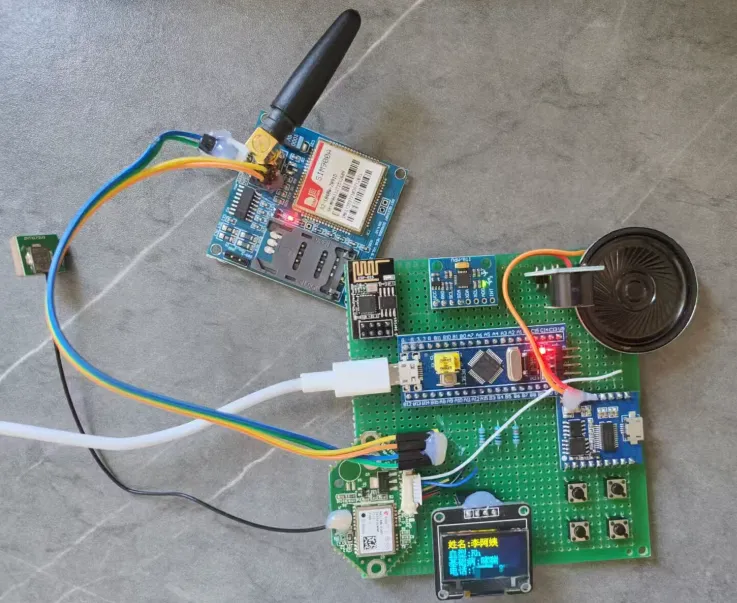
Key Thermal Management Challenges in Medical PCBs
Before exploring solutions, it’s important to understand the specific challenges of thermal management in patient monitoring PCBs:
- High Component Density: Modern medical devices pack numerous components into small spaces, increasing heat generation per square inch.
- Limited Space for Cooling: Compact designs often leave little room for traditional cooling solutions like large heat sinks or fans.
- Continuous Operation: Many patient monitoring systems run 24/7, leading to sustained heat buildup without downtime for cooling.
- Sensitive Components: Sensors and microcontrollers in medical PCBs are often highly sensitive to temperature fluctuations, requiring precise thermal control.
With these challenges in mind, let’s explore targeted strategies to manage heat effectively in these high-stakes applications.
Thermal Management Strategies for Patient Monitoring PCBs
1. Optimizing Thermal Vias in PCB Design
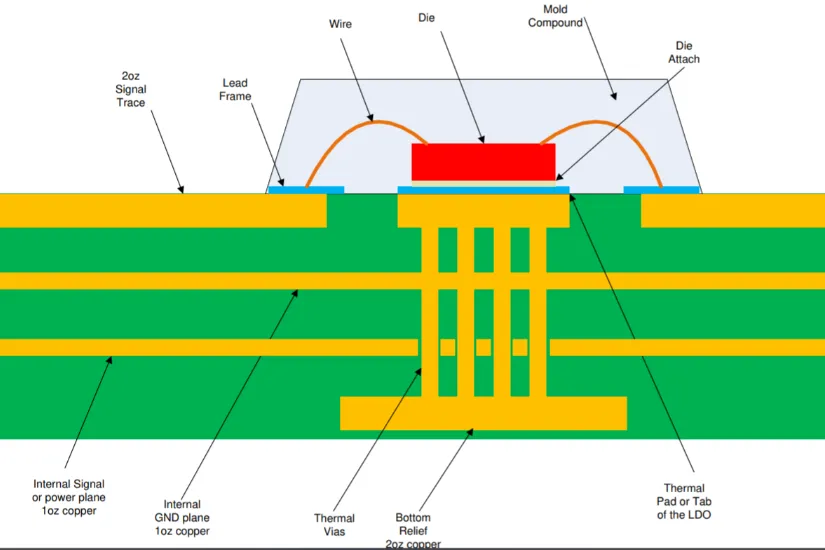
Thermal vias are small, plated holes in a PCB that transfer heat from hot components to other layers or a heat dissipation area. In thermal vias PCB design, these structures act like thermal conduits, helping to spread heat away from critical components in patient monitoring systems.
For example, placing an array of thermal vias under a high-power microprocessor can reduce its operating temperature by up to 15°C, depending on the via density and board thickness. A common practice is to use vias with a diameter of 0.3 mm to 0.5 mm, spaced at 1.2 mm intervals, to maximize heat transfer without compromising structural integrity. Copper-filled vias are particularly effective due to copper’s high thermal conductivity (approximately 400 W/m·K).
When designing with thermal vias, ensure they connect to larger copper planes or a dedicated heat dissipation layer. This approach is especially useful in multilayer PCBs common in medical devices, where space is limited, and heat must be managed vertically through the board.
2. Integrating Heat Sinks for Patient Monitoring PCBs
A heat sink PCB patient monitoring solution is a go-to method for dissipating heat from high-power components like voltage regulators or processors. Heat sinks absorb and spread heat away from the PCB, often using fins to increase surface area for better cooling through natural convection or forced air.
In patient monitoring devices, where space is often constrained, low-profile heat sinks made of aluminum (thermal conductivity of about 200 W/m·K) are ideal. For instance, attaching a heat sink to a power management IC generating 5W of heat can lower its junction temperature by 20-30°C, ensuring it stays within safe operating limits (typically below 85°C for medical-grade components).
When integrating heat sinks, ensure proper thermal interface materials (TIMs) like thermal pads or pastes are used to minimize thermal resistance between the component and the heat sink. Additionally, position the heat sink to avoid blocking airflow or interfering with other components in the compact enclosure of a medical device.
3. Using High-TG Laminate for Medical PCBs
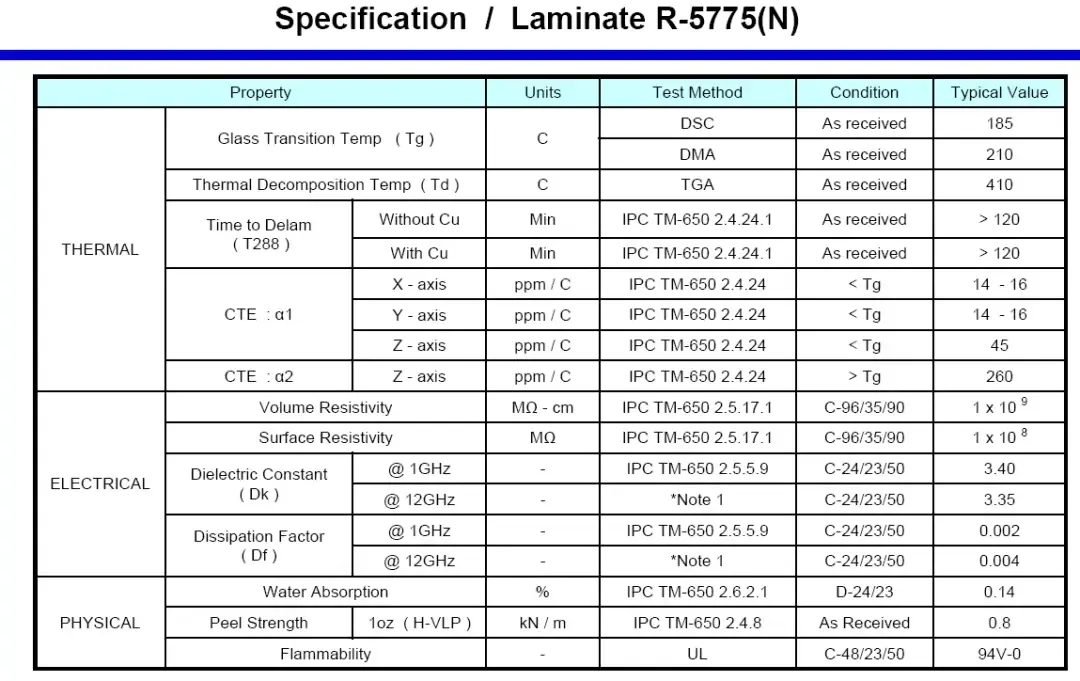
Material selection plays a vital role in thermal management. High-TG laminate medical PCBs are designed to withstand higher temperatures without deforming or losing electrical properties. TG, or glass transition temperature, indicates the point at which a PCB material begins to soften. Standard FR-4 laminates have a TG of around 130-140°C, while high-TG laminates offer values of 170°C or higher.
In patient monitoring systems, where components may operate near their thermal limits, high-TG laminates provide an extra margin of safety. They are less prone to thermal expansion, which can cause delamination or cracking under heat stress. For example, a high-TG laminate can maintain structural integrity even when a nearby component reaches 150°C during peak operation, a common scenario in compact medical devices.
While high-TG materials may increase production costs by 10-20%, their ability to handle thermal stress makes them a worthwhile investment for reliability-critical applications like patient monitoring.
4. Leveraging Thermal Simulation for PCB Design
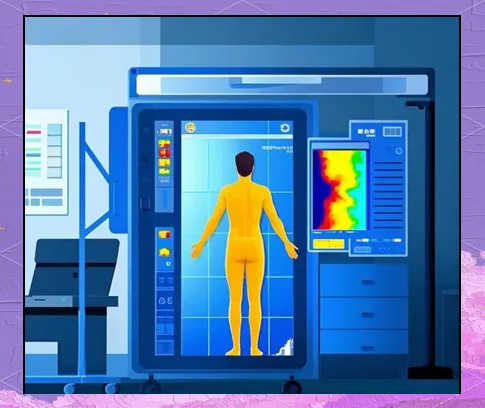
Before manufacturing a PCB, conducting a thermal simulation PCB analysis can save time and resources by predicting heat distribution and identifying potential hotspots. Simulation tools allow engineers to model heat flow, test different layouts, and evaluate cooling strategies virtually.
For instance, a thermal simulation might reveal that a critical sensor in a patient monitoring PCB is reaching 90°C due to proximity to a power IC. By adjusting the layout—such as increasing spacing or adding thermal vias—the simulated temperature could drop to a safer 70°C. These tools often provide detailed heat maps and can simulate real-world conditions, like ambient temperatures of 40°C in a hospital setting.
Thermal simulation is especially valuable for high-performance medical PCBs, where trial-and-error prototyping is costly and time-consuming. By identifying issues early, engineers can optimize designs for both performance and thermal efficiency.
5. Applying Effective PCB Cooling Techniques
Beyond vias and heat sinks, several PCB cooling techniques can enhance thermal management in patient monitoring systems. These include:
- Copper Pour and Planes: Adding large copper areas or dedicated ground planes helps distribute heat across the board. Copper’s high thermal conductivity makes it an effective heat spreader, reducing localized hotspots.
- Component Placement: Position heat-generating components away from sensitive ones, like sensors or analog circuits, to minimize thermal interference. For example, placing a power IC at least 10 mm away from a temperature sensor can prevent inaccurate readings.
- Active Cooling: In cases where passive cooling isn’t enough, small fans or Peltier coolers can be integrated into the system. While fans add noise and power consumption, they can reduce temperatures by 15-25°C in enclosed systems.
Combining these techniques based on the specific needs of a patient monitoring device ensures a balanced approach to thermal management without overcomplicating the design.
6. Exploring Thermal Clad PCB Design
For extreme thermal challenges, thermal clad PCB design offers a robust solution. Thermal clad PCBs use a metal substrate, often aluminum, bonded to a thin dielectric layer and copper circuitry. This metal base acts as a built-in heat sink, providing excellent thermal conductivity (up to 10 times higher than standard FR-4 boards).
In patient monitoring applications, thermal clad designs are ideal for power-intensive modules like LED drivers or RF amplifiers. For example, a thermal clad PCB can maintain a component’s junction temperature below 80°C even when dissipating 10W of heat, compared to 100°C or higher on a standard board under the same conditions.
While thermal clad PCBs are more expensive, their superior heat dissipation capabilities make them a valuable choice for critical medical systems where failure is not an option.
Best Practices for Implementing Thermal Management
To maximize the effectiveness of these strategies, consider the following best practices:
- Start with Simulation: Use thermal simulation tools early in the design phase to identify potential issues before prototyping.
- Balance Cost and Performance: High-TG laminates and thermal clad designs offer great benefits but come at a higher cost. Evaluate whether simpler solutions like thermal vias or heat sinks can meet your needs.
- Test Under Real Conditions: After assembly, test the PCB under realistic operating conditions (e.g., continuous operation at 40°C ambient temperature) to validate thermal performance.
- Collaborate with Manufacturers: Work closely with your PCB fabrication and assembly partners to ensure materials and designs are optimized for thermal management.
Conclusion: Building Reliable Patient Monitoring PCBs with Thermal Management
Thermal management is a cornerstone of designing high-performance patient monitoring PCBs. By implementing strategies like thermal vias PCB design, integrating heat sink PCB patient monitoring solutions, using high-TG laminate medical PCBs, conducting thermal simulation PCB analysis, applying PCB cooling techniques, and exploring thermal clad PCB design, engineers can ensure their designs operate reliably even under the most demanding conditions.
In medical applications, where every degree of temperature matters, these techniques are not just about performance—they’re about patient safety and trust. By prioritizing thermal management, you can create patient monitoring systems that deliver accurate data and long-term reliability, meeting the stringent demands of the healthcare industry.
With the right approach and tools, managing heat in high-performance PCBs becomes a solvable challenge, paving the way for innovative and dependable medical devices.





