ALLPCB


In the fast-evolving world of quantum computing, every component of a printed circuit board (PCB) plays a critical role in performance. One often overlooked yet vital aspect is the PCB surface finish. The right surface finish can significantly impact quantum control PCB performance by influencing solderability, corrosion resistance, and signal integrity. So, how do you choose the best option among finishes like ENIG, ENEPIG, HASL, and immersion silver? In this comprehensive guide, we’ll dive deep into how PCB surface finishes affect quantum control systems and help you make an informed decision for your next project.
Why PCB Surface Finish Matters in Quantum Computing
Quantum computing operates at the cutting edge of technology, requiring precision and reliability at microscopic levels. Quantum control PCBs, which manage the delicate operations of qubits and other quantum components, demand exceptional electrical performance and stability. The surface finish of a PCB serves as the interface between the board and its components, directly affecting how well connections are made and how long the board withstands environmental challenges.
A poor surface finish can lead to issues like signal loss, corrosion, or unreliable soldering, all of which are disastrous in quantum systems where even a tiny error can disrupt computations. By choosing the right surface finish, you ensure optimal performance in terms of signal integrity (crucial for high-frequency signals in quantum systems), corrosion resistance (to protect against degradation), and solderability (for reliable component attachment).
In the sections below, we’ll explore the most common PCB surface finishes—ENIG, ENEPIG, HASL, and immersion silver—and evaluate their impact on quantum control PCB performance.
Understanding PCB Surface Finishes: A Quick Overview
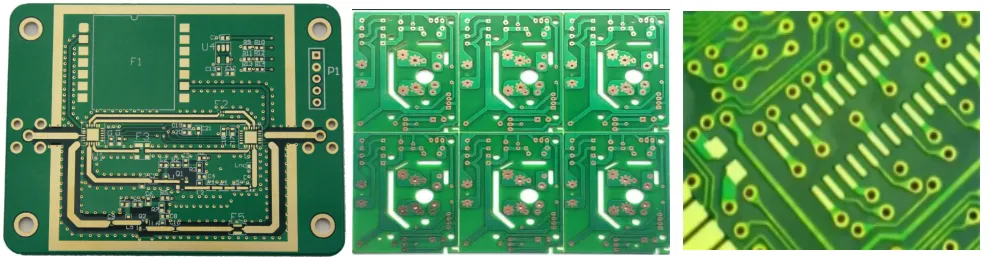
Before diving into specifics, let’s define what a PCB surface finish is. A surface finish is a thin coating applied to the copper traces of a PCB to protect them from oxidation, enhance solderability, and ensure long-term reliability. Each type of finish has unique properties that make it suitable for specific applications, especially in high-stakes fields like quantum computing.
The main factors to consider when selecting a surface finish for quantum control PCBs include:
- Solderability: How easily components can be soldered to the board without defects.
- Corrosion Resistance: The ability to withstand environmental factors like humidity or temperature changes.
- Signal Integrity: The capacity to maintain clean, undistorted signals, especially at high frequencies.
- Cost and Manufacturability: Balancing performance with production costs and complexity.
With these factors in mind, let’s examine the most popular surface finishes and their suitability for quantum control applications.
ENIG (Electroless Nickel Immersion Gold): Precision and Reliability
ENIG is one of the most widely used surface finishes in high-tech applications, including quantum computing. It consists of a layer of nickel plated over the copper, topped with a thin layer of gold. This combination offers excellent corrosion resistance and solderability, making it a top choice for sensitive electronics.
Advantages for Quantum Control PCBs
- Signal Integrity: ENIG provides a flat, uniform surface, reducing signal loss and impedance mismatches. This is critical for quantum systems where signals often operate at frequencies above 5 GHz.
- Corrosion Resistance: The gold layer protects against oxidation, ensuring long-term reliability even in harsh environments with temperature fluctuations between -40°C and 85°C.
- Solderability: ENIG supports multiple reflow cycles without degradation, ideal for complex quantum control boards with numerous components.
Drawbacks
- Cost: ENIG is more expensive than other finishes like HASL due to the use of gold.
- Black Pad Issue: If not applied correctly, a phenomenon called "black pad" can occur, leading to weak solder joints.
For quantum control PCBs, ENIG is often the go-to choice when signal integrity and reliability are top priorities, despite the higher cost.
ENEPIG (Electroless Nickel Electroless Palladium Immersion Gold): The Premium Option
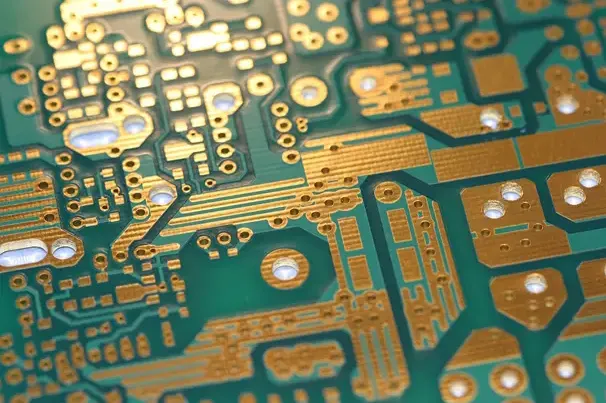
ENEPIG builds on ENIG by adding a layer of palladium between the nickel and gold. This extra layer enhances durability and makes ENEPIG suitable for even more demanding applications. It’s often used in advanced electronics where both wire bonding and soldering are required.
Advantages for Quantum Control PCBs
- Superior Signal Integrity: The additional palladium layer minimizes interference, supporting signal frequencies up to 10 GHz with minimal loss.
- Enhanced Corrosion Resistance: ENEPIG offers better protection against harsh conditions compared to ENIG, withstanding humidity levels up to 85% without degradation.
- Versatility: It supports both soldering and wire bonding, which can be useful in hybrid quantum systems.
Drawbacks
- High Cost: ENEPIG is among the most expensive surface finishes due to the use of palladium and gold.
- Complexity: The manufacturing process is more intricate, potentially increasing lead times.
ENEPIG is ideal for quantum control PCBs in cutting-edge research or production environments where budget is less of a concern than performance.
HASL (Hot Air Solder Leveling): Cost-Effective but Limited
HASL is a traditional surface finish where molten solder is applied to the PCB and then leveled with hot air. It’s one of the most cost-effective options but falls short in high-performance applications like quantum computing.
Advantages for Quantum Control PCBs
- Low Cost: HASL is significantly cheaper than ENIG or ENEPIG, making it attractive for prototyping or less critical designs.
- Good Solderability: The solder coating ensures reliable connections during assembly.
Drawbacks
- Poor Signal Integrity: The uneven surface of HASL can cause impedance variations, leading to signal distortion at frequencies above 1 GHz.
- Limited Corrosion Resistance: HASL is prone to oxidation over time, especially in environments with high humidity.
- Not Suitable for Fine Pitch: The uneven finish makes it unsuitable for the fine-pitch components often found in quantum control systems.
HASL might be considered for early-stage quantum prototypes where cost is a major factor, but it’s generally not recommended for production-grade quantum control PCBs.
Immersion Silver: A Balanced Choice
Immersion silver involves coating the copper traces with a thin layer of silver through a chemical process. It offers a good balance of cost and performance, making it a viable option for some quantum control applications.
Advantages for Quantum Control PCBs
- Signal Integrity: Immersion silver provides a smooth surface, supporting high-frequency signals up to 6 GHz with minimal loss.
- Solderability: It offers excellent solder joint reliability, comparable to ENIG.
- Cost: It’s less expensive than ENIG and ENEPIG, making it a budget-friendly alternative.
Drawbacks
- Corrosion Resistance: Silver is prone to tarnishing, especially in sulfur-rich environments, which can degrade performance over time.
- Shelf Life: Immersion silver has a shorter shelf life compared to gold-based finishes, requiring careful storage.
Immersion silver can work well for quantum control PCBs in controlled environments where corrosion risks are minimized, offering a cost-effective alternative to ENIG.
Comparing Surface Finishes for Quantum Control PCBs
To help you choose the right surface finish, here’s a quick comparison based on key performance metrics for quantum computing applications:
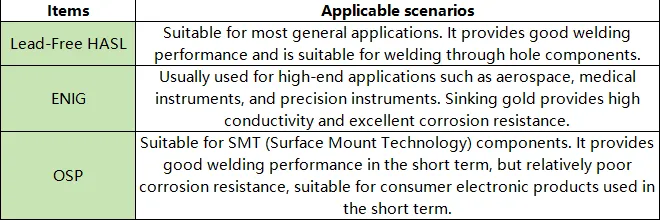
| Surface Finish | Solderability | Corrosion Resistance | Signal Integrity | Cost |
|---|---|---|---|---|
| ENIG | Excellent | High | Excellent (up to 5 GHz) | High |
| ENEPIG | Excellent | Very High | Superior (up to 10 GHz) | Very High |
| HASL | Good | Low | Poor (up to 1 GHz) | Low |
| Immersion Silver | Excellent | Moderate | Good (up to 6 GHz) | Moderate |
This table highlights that ENIG and ENEPIG are the strongest contenders for quantum control PCBs due to their superior signal integrity and corrosion resistance. However, immersion silver can be a viable middle-ground option if budget constraints are a concern.
Key Considerations for Quantum Control PCB Design
Beyond surface finish, other design factors also influence quantum control PCB performance. When selecting a finish, keep these in mind to ensure compatibility with your overall design goals:
- Operating Frequency: Quantum systems often operate at ultra-high frequencies. Choose a finish like ENIG or ENEPIG that minimizes signal loss.
- Environmental Conditions: If your PCB will be exposed to extreme temperatures or humidity, prioritize corrosion resistance with finishes like ENEPIG.
- Component Density: High-density designs with fine-pitch components require a flat surface finish like ENIG or immersion silver for reliable soldering.
How to Choose the Right PCB Surface Finish for Quantum Computing
Selecting the best surface finish for your quantum control PCB comes down to balancing performance needs with budget constraints. Here’s a simple decision-making guide:
- If signal integrity at ultra-high frequencies (above 5 GHz) and long-term reliability are non-negotiable, opt for ENEPIG.
- If you need excellent performance but have a slightly tighter budget, choose ENIG for a proven, reliable option.
- If cost is a major factor and the PCB operates in a controlled environment with moderate frequency demands, consider immersion silver.
- Only use HASL for low-cost prototypes or non-critical applications, as it’s not suited for high-performance quantum systems.
Conclusion: Optimizing Quantum Control PCB Performance
The surface finish of a PCB is more than just a protective layer; it’s a critical factor in determining the performance of quantum control systems. From ensuring signal integrity at high frequencies to protecting against corrosion in challenging environments, the right finish can make or break your design. Among the options discussed—ENIG, ENEPIG, HASL, and immersion silver—gold-based finishes like ENIG and ENEPIG stand out for their ability to meet the stringent demands of quantum computing.
By understanding the unique properties of each surface finish and aligning them with your project’s specific needs, you can optimize your quantum control PCB for peak performance. Whether you prioritize solderability, corrosion resistance, or signal integrity, there’s a surface finish tailored to your application. Make an informed choice, and elevate the reliability and efficiency of your quantum systems today.