ALLPCB


Overview
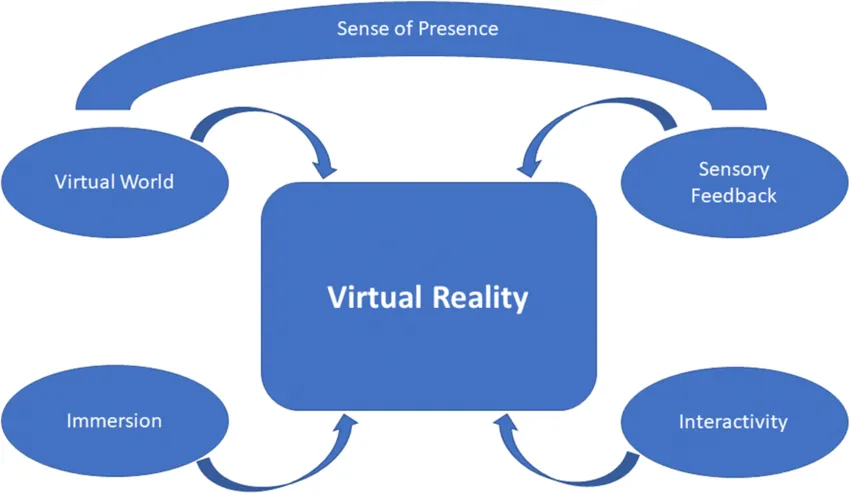
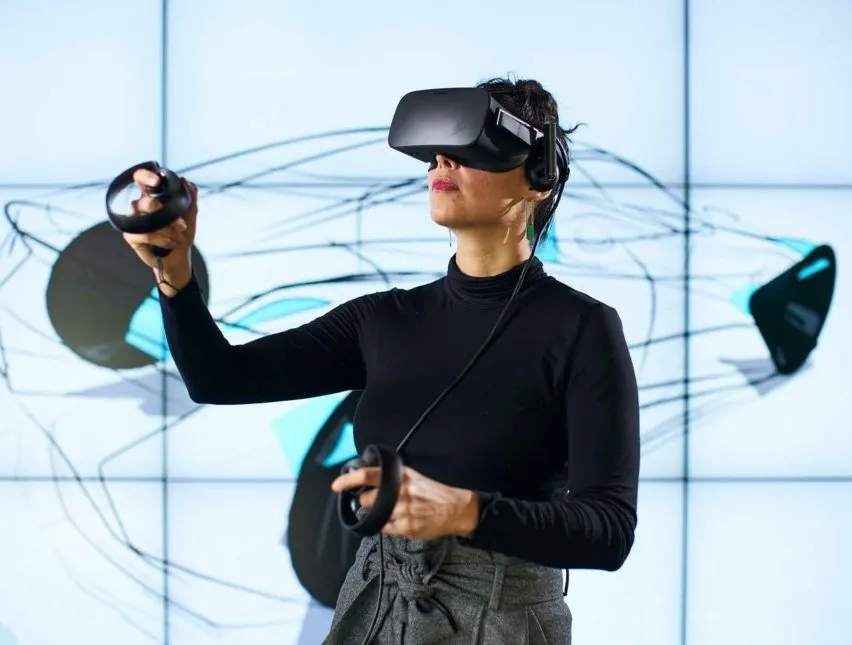
VR and AR stand for Virtual Reality and Augmented Reality. Both refer to technologies that create or overlay virtual content onto human perception through computing devices. Many companies consider them potential successors to smartphones as general-purpose computing platforms.
Practical Examples
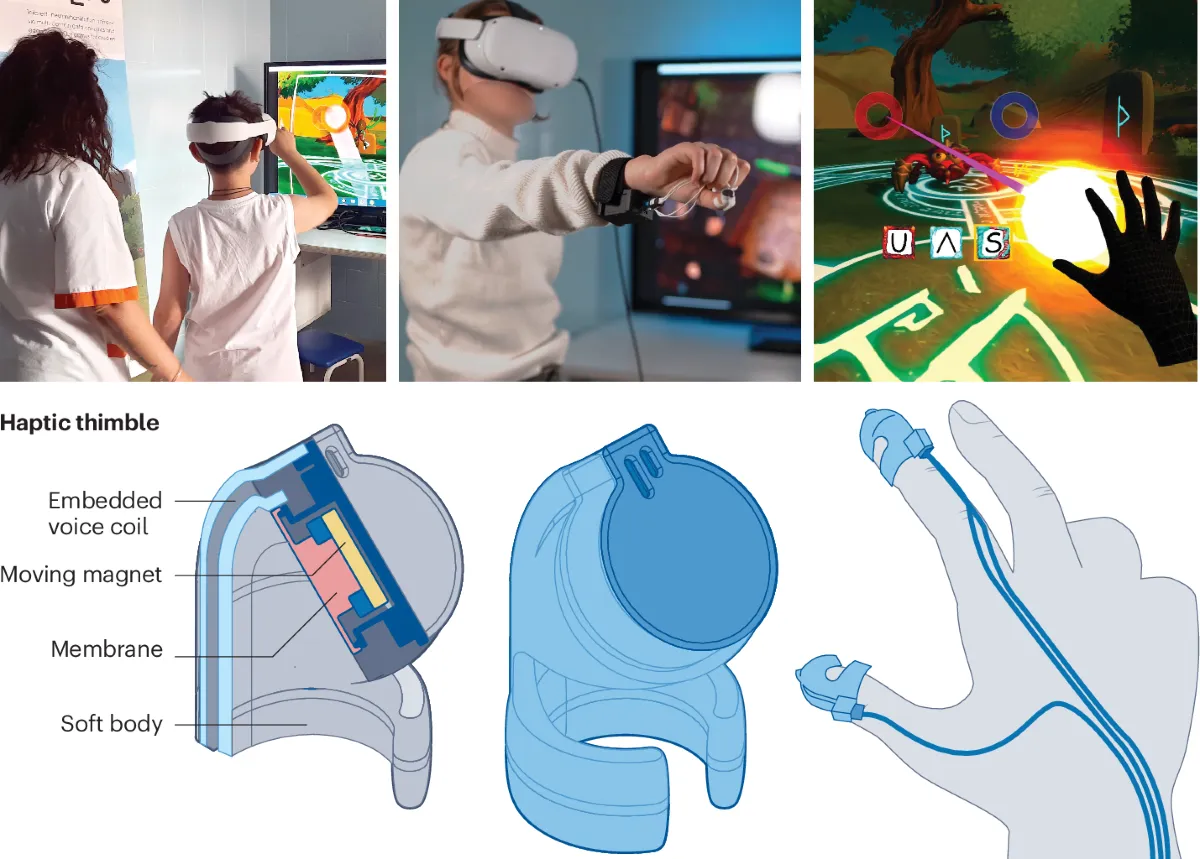
These technologies are not entirely new to everyday life. Theme parks often create immersive experiences that approximate VR or AR: 4D films and rides that blend physical sets, motion, and visual effects produce the sensation of being in another environment. Similarly, photo and video apps that add animated ears, facial effects, or other overlays are examples of augmented reality, where virtual elements are superimposed onto a real scene.
A Simple Abstraction
If we abstract both concepts further, they both provide ways to remove or supplement everyday perception so a user can enter an alternate, constructed experience. From that point of view, traditional media such as books can be considered a primitive form of virtual experience. When reading fiction from bed, the page becomes a screen and the text acts as the medium that lets you inhabit a fictional world. The key difference is the amount of imaginative work required from the user.
Participation and Automation
With books, the reader contributes most of the work to construct the virtual environment: the author's text prompts the reader's imagination to recreate settings and characters. High-fidelity VR systems, by contrast, present detailed audio-visual-haptic stimuli directly, requiring much less imaginative effort from the user because most elements are rendered by the system.
Implications for Perception and Agency
Technical progress in VR and AR brings benefits, but it also raises questions about how much control over our senses we are willing to cede to devices. Reading a book allows easy disengagement from the imagined world, while immersive systems may increasingly control sight, sound, touch, and potentially smell or taste. This shift changes how much of our perceptual experience is mediated by external platforms.
Social and Ethical Considerations
There are broader social implications if major platforms shape the environments where people spend large amounts of time. Augmented reality can support shared understanding by overlaying common information in physical space, which may aid communication. Fully immersive VR, however, can create entirely separate shared spaces that replace direct, in-person interaction.
Design philosophies that emphasize human-centered tools argue for technologies that expand human capabilities and social connection rather than limit them to platform-defined experiences. Interest from major technology firms in AR can align with a human-centered approach if the goal is to support richer communication, creativity, and exploration—rather than to centralize control over users' perceptual environments.
Practical Takeaway
As immersive technologies evolve, it is worth considering how to maintain cognitive autonomy: practicing reading, writing, creative work, and other activities that require active mental participation can help preserve independent thinking as more aspects of perception become mediated by devices.