ALLPCB


Industry context
Since 2016, many virtual reality devices have been released, and the industry has seen a surge of interest in VR. However, driven by vested interests and capital, VR in the Chinese market has become chaotic. Counterfeiters and exaggerated claims are increasingly common, ranging from hype and falsified specifications to low-quality content and fraudulent financing. These issues have created many pitfalls for products in the market.
Aside from a few companies that genuinely control core VR technology, such as Oculus, HTC, Sony, IDEALENS, and Samsung, the industry contains numerous disruptors: phone companies pivoting from mobile technology; teams formed by internet companies and knockoff manufacturers with little technical capability; and brands that focus on publicity rather than product quality. This situation has blurred the concept of VR for many consumers and media outlets.
Why FOV matters
When you see marketing phrases like "excellent immersion," "extreme experience," or "ultra-wide field of view," be cautious: VR is not defined by buzzwords. VR requires substantial technical capability, and field of view (FOV) is a key optical parameter that reflects core optical design.
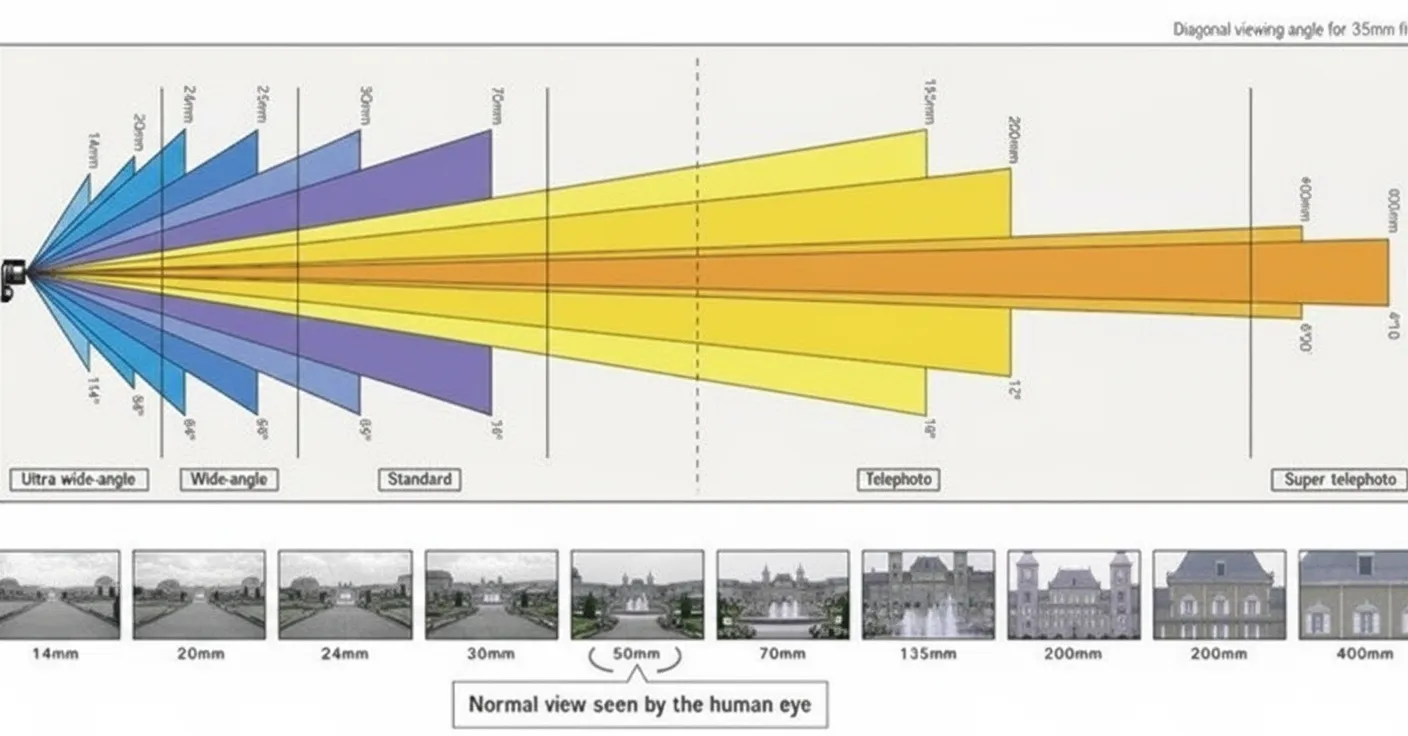
FOV is the angle between the edges of the display and the observer's eye. In simple terms, it represents the portion of the scene you can clearly see plus peripheral content.
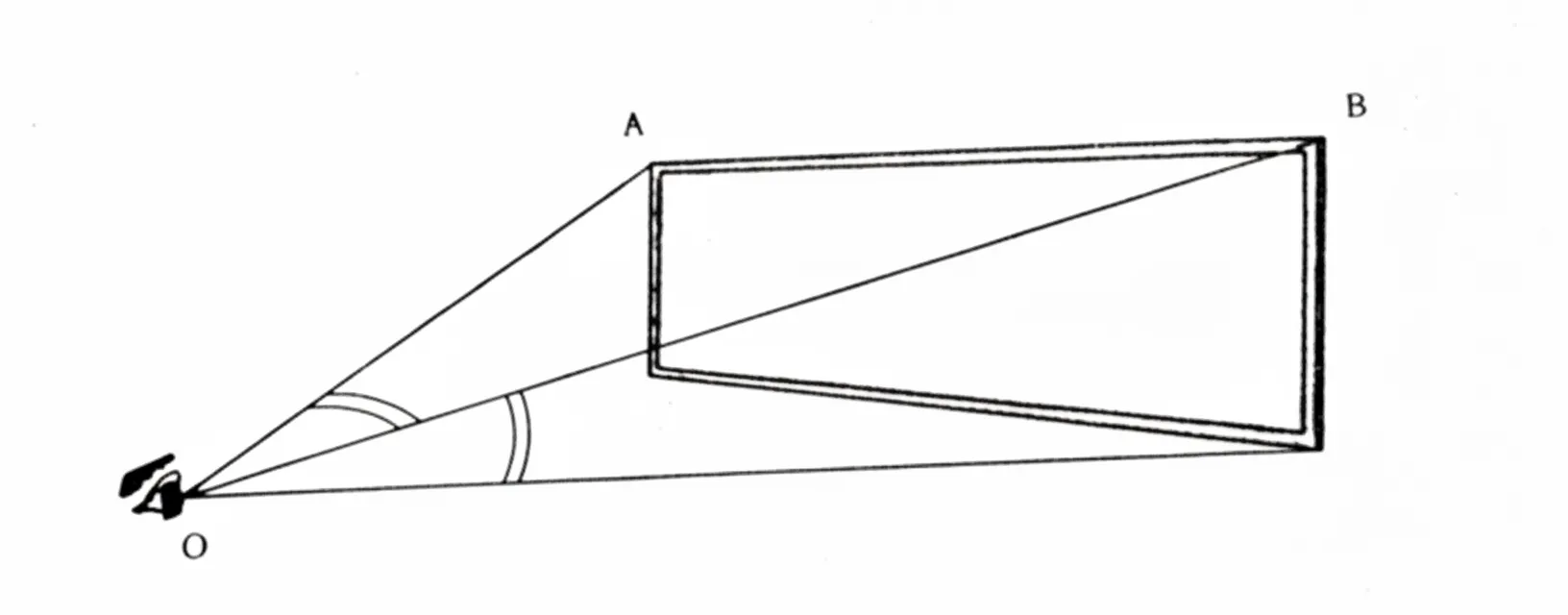
Angle AOB is horizontal field of view, angle BOC is vertical field of view
Human visual characteristics
The core of virtual reality is immersion, and immersion depends on the panoramic view the headset provides. Human eyes scan horizontally more frequently and with less effort; most of our visual behavior is horizontal scanning. The total horizontal visual field for both eyes approaches 200 to 220 degrees, but the binocular area that can form a clear image is about 120 degrees. In normal conditions, 120 degrees is the most comfortable horizontal imaging range for human vision. A VR display must present an image that aligns with human anatomy and behavior to achieve immersion; therefore, a low FOV cannot provide a convincing immersive experience.
FOV in current VR products
For current VR products, 100 degrees FOV has become an industry minimum standard. Below this value, the visible range is limited and users may see black borders around the image. Generally, 100 to 120 degrees is required to create a satisfactory virtual reality experience.
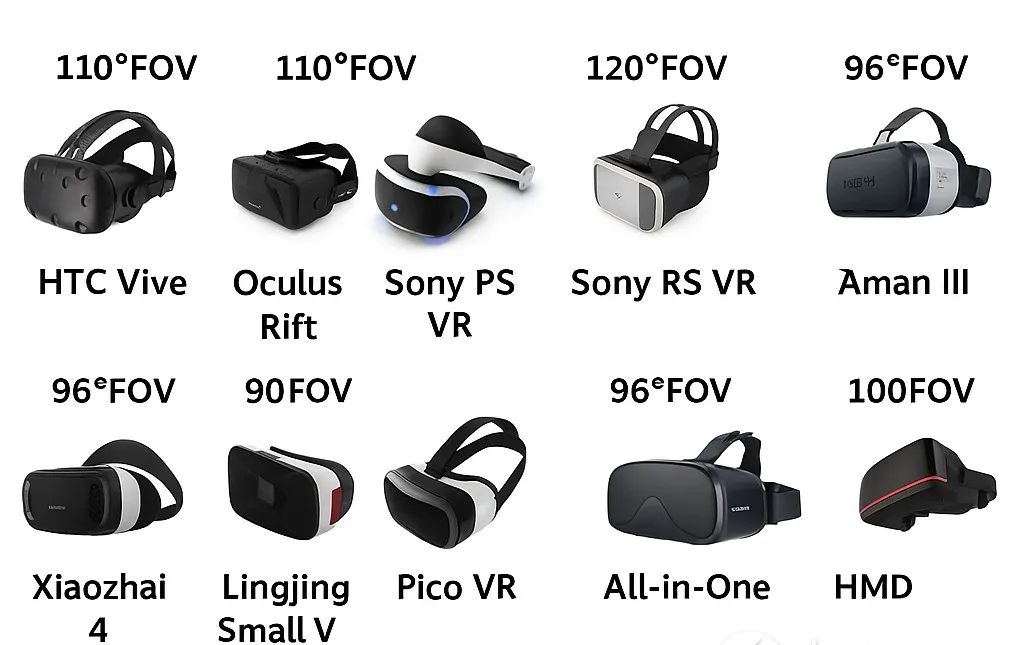
Field of view of mainstream VR products
Design trade-offs
It is possible to increase FOV by shortening the distance between the eye and the lens or by using thicker lenses, but these approaches have trade-offs. Increased lens power and closer eye-lens distance raise device weight. If magnification is too high, the screen door effect becomes more noticeable and may even cause eye strain.
Recent optical developments and market implications
Some products on the market now report FOVs of 110 degrees, and certain devices have been announced with claims of 120 degrees real FOV. These claims reflect ongoing optical research and development. For example, IDEALENS has reported work on optical solutions that could extend beyond 120 degrees and has applied for international patent protection for those designs.
The strong market interest in VR has attracted many manufacturers and investors. While this can accelerate development, a focus on short-term gains at the expense of technical progress risks damaging the market and eroding consumer confidence. Sustainable industry development depends on real technical advances and reliable products. For consumers who cannot evaluate technical claims directly, considering devices from companies recognized for core VR expertise, such as Oculus, HTC, or IDEALENS, may reduce the risk of buying poorly engineered products.