ALLPCB


Overview
Titanium alloy is an advanced lightweight structural material that is both light and strong, has a premium feel, is non-magnetic, hypoallergenic, and offers excellent corrosion resistance. Thanks to these properties, it has long been used in aerospace. With a very high specific strength and lower weight than stainless steel, titanium alloy is more scratch- and drop-resistant, durable, and less prone to bending, making it a preferred material for consumer electronics. Multiple AR glasses models already use titanium alloy parts. Companies such as Amazon, XLOONG, and Rokid have released AR devices with titanium alloy components. Future headset products for AR and MR from other major vendors may also use titanium alloy.
Examples
Rokid Air uses a titanium alloy hinge design.
XLOONG X300 AR smart glasses use a titanium alloy frame.
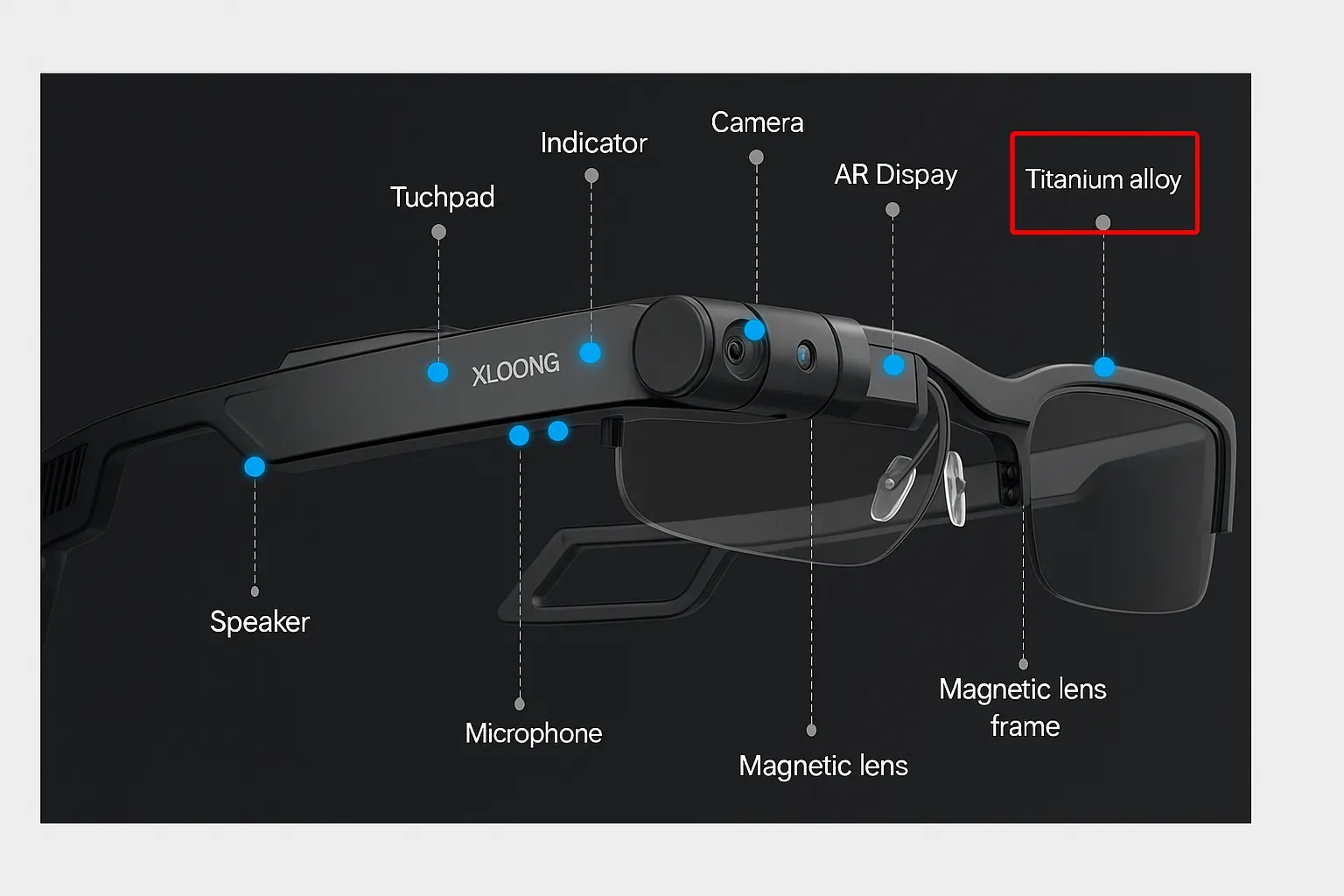
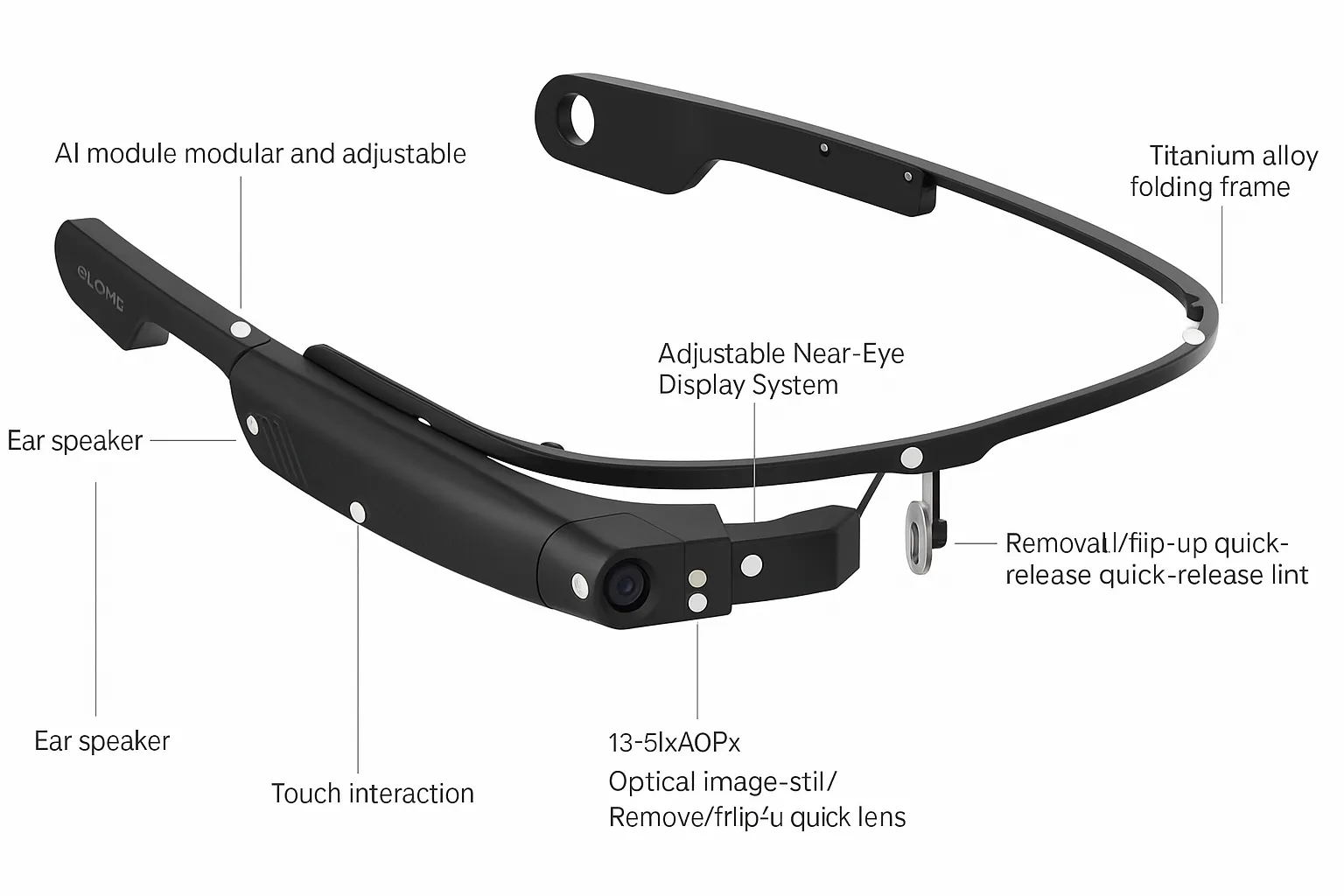
Weidu World S1 single-eye AR glasses use a folding titanium alloy frame.
Forming Processes
Although titanium alloys have excellent properties, their high hardness, machining difficulty, and low yield have kept production costs high and limited large-scale application. Low thermal conductivity leads to significant work hardening during machining, making conventional machining methods difficult, inefficient, and reliant on expensive equipment. Irregular and porous geometries further increase processing costs. Developing lower-cost titanium alloy materials and forming technologies is therefore an important research direction.
Table: Advantages and disadvantages of titanium and titanium alloy powder forming technologies
Metal injection molding (metal injection molding, MIM) offers significant advantages for titanium alloy production. MIM can achieve near-net shaping of complex structures for small and micro products, enabling large-volume production of high-dimensional, high-precision components at relatively low cost. As such, it is a suitable forming method for titanium alloy parts used in wearable devices.
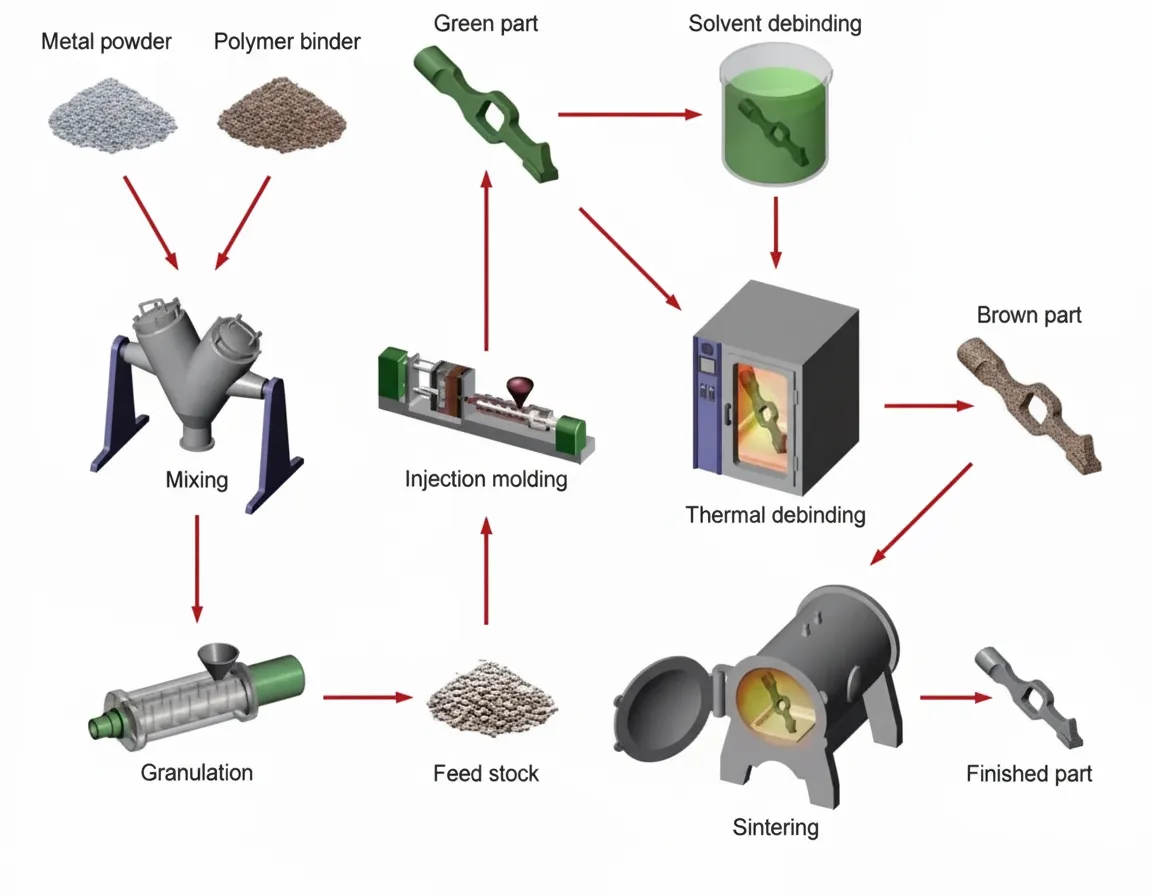
Titanium Alloy MIM Process
The MIM process for titanium alloys typically includes powder preparation → mixing → granulation → injection molding → debinding → sintering → post-processing. Challenges in titanium MIM include the high cost of high-quality titanium powder, selection and removal of binders, and elimination of interstitial impurities.
Surface Treatments
For AR glasses, a bright metal finish is often desired for aesthetic reasons, so titanium structural parts typically undergo surface treatment. Common techniques include sandblasting, anodizing, and micro-arc oxidation.
Sandblasting
Sandblasting uses compressed air to form a high-speed spray that projects abrasive material onto the part surface, changing its appearance and texture to achieve specific cleanliness and roughness. It can produce varying degrees of reflectivity or matte finish, achieving a uniform metal tone and improving appearance.
Anodizing
Anodizing uses electrochemical principles to form an oxide film on the part surface. The process is simple, and the resulting oxide film has good wear resistance, contact corrosion resistance, and strong resistance to hydrogen embrittlement. Anodized titanium forms a transparent oxide film whose thickness can be controlled by electrolyte conditions; optical interference can produce vivid colors.
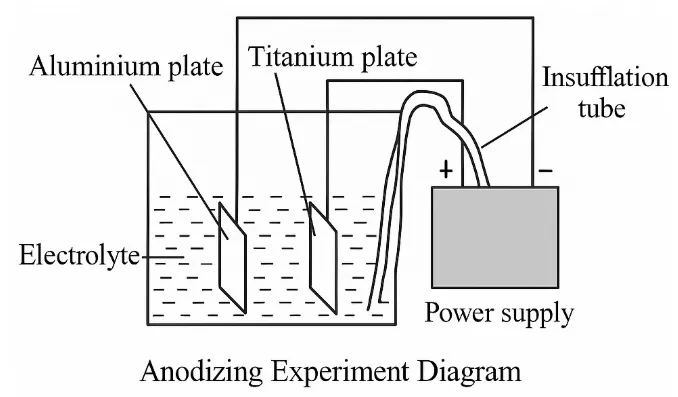
Process flow: degreasing → polishing → pickling (to increase surface activity and promote anodizing) → anodizing → neutralization → coloring → sealing → drying.
Micro-arc Oxidation
Micro-arc oxidation applies a high voltage (DC, AC, or pulsed) in an electrolyte to grow a ceramic oxide film on the material surface in situ. Evolving from anodizing, it can produce a ceramic matte texture with fine feel and fingerprint resistance, improving corrosion and weather resistance. The main drawback is higher cost.