ALLPCB


Overview
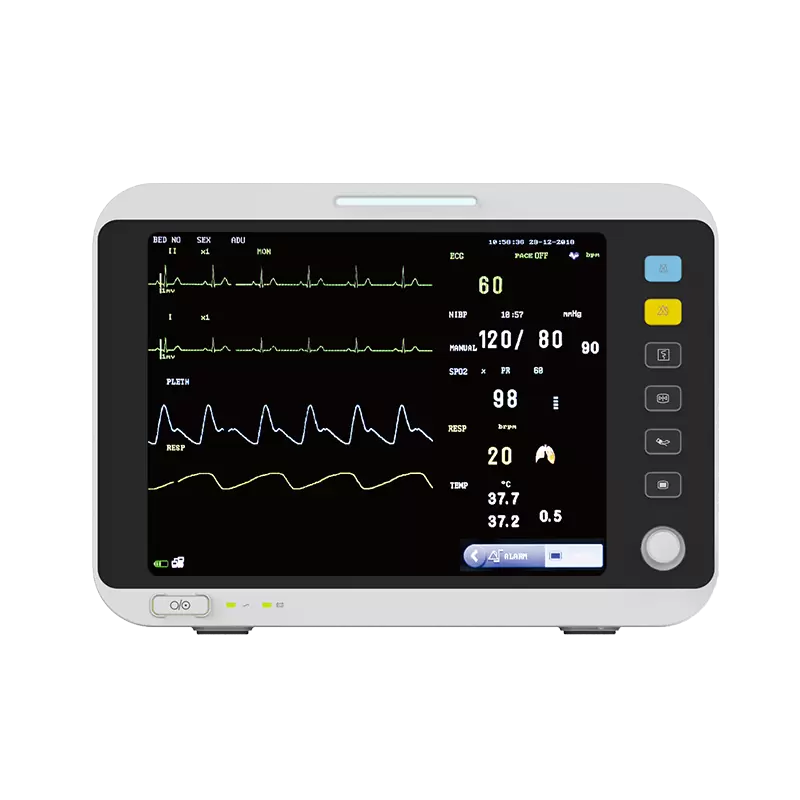
This article analyzes the main types of electromagnetic interference (EMI) and their hazards in medical electrical equipment, and focuses on applying power line filters to address EMI in medical systems. In outpatient clinics, operating rooms, and wards, a medical device with strong electromagnetic emissions can degrade or disrupt the performance of other medical equipment. EMI can also produce harmful physiological effects on human tissues and organs through physical or chemical interactions, posing risks to patient health. Many countries have therefore introduced standards and mandatory requirements for emissions and immunity of medical electrical equipment, so manufacturers have increased attention to EMI control.
1 Types of Electromagnetic Interference
Electromagnetic compatibility (EMC) is the ability of a product to coexist with other products in a given electromagnetic environment without causing or suffering unacceptable performance degradation or damage. EMC encompasses both emissions and immunity. EMI can be classified into two main types.
1.1 Radiated interference
Radiated interference occurs when a device emits electromagnetic waves that propagate through space and induce unwanted voltages or currents in other device circuits. When the separation between two devices is large relative to the wavelength, interference propagates as electromagnetic waves. For example, when a clinician uses a mobile phone, the display image of a nearby medical computer monitor may jitter because the phone's transmitted signals couple through space into the monitor's circuitry.
1.2 Conducted interference
Conducted interference refers to voltage or current variations generated by one device that are conducted to other devices via power lines or signal lines. When conductor lengths are short compared with the wavelength, conducted interference is usually transmitted on power, control, and signal cables as common-mode and differential-mode noise, or via common-impedance coupling when multiple devices share a power supply or a ground. In modern hospitals, diagnostic and surgical setups often place multiple devices together and share a single power source. Although mains power is nominally a clean 50 Hz supply, EMI from connected equipment can make the current on supply lines noisy. Conducted interference can enter medical equipment via the power line, causing malfunctions or damage and potentially affecting diagnostic accuracy. If such interference occurs during surgery, it can endanger patient safety. Therefore, suppressing conducted interference on power lines in medical electrical equipment is critical. A common and effective method is to install a power line filter on the device's AC input.
2 Application of Power Line Filters in Medical Devices
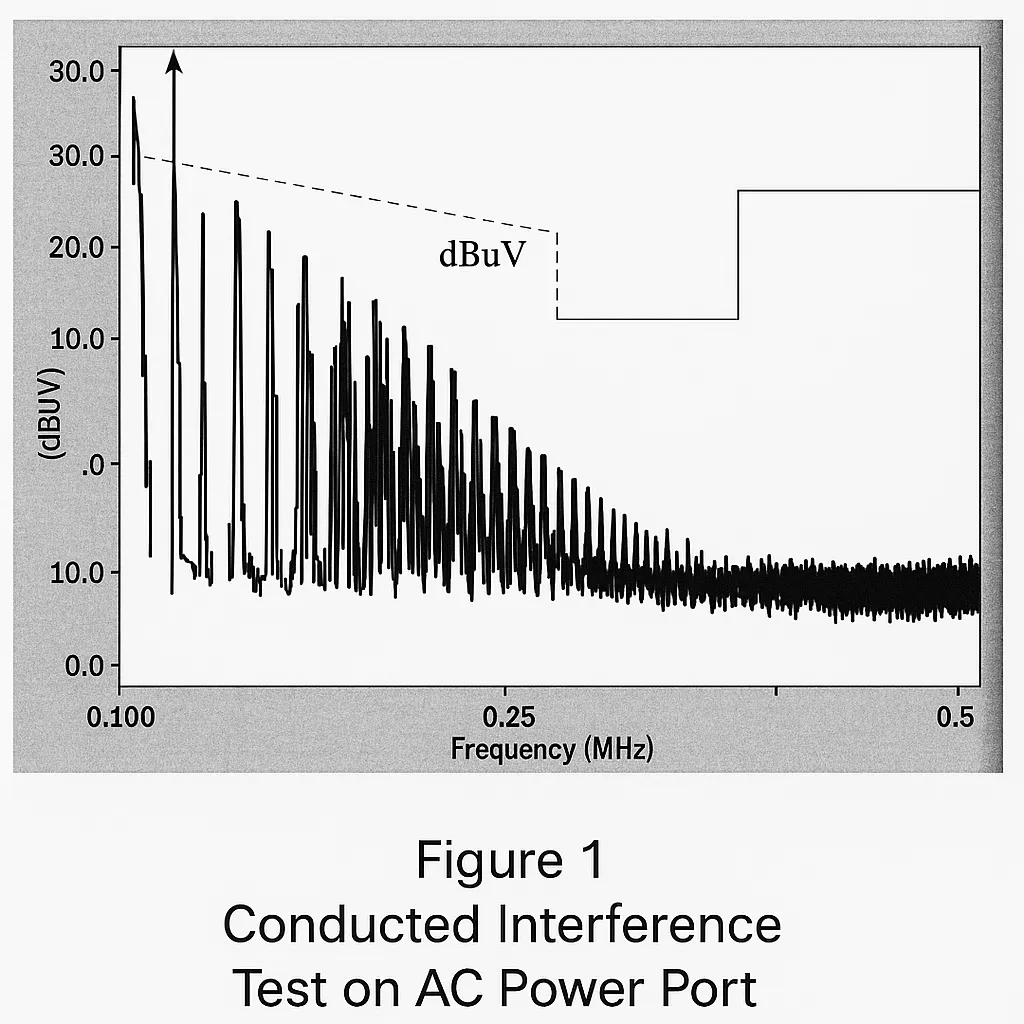
A surgical operating microscope undergoing EMC testing to meet IEC 60601-1-2 requirements failed the conducted emissions test at the AC mains port, exceeding Class B limits. Based on analysis, the decision was made to add a power line filter at the product's power input.
2.1 Filter selection
A filter is a two-port network with frequency-selective behavior: it passes some frequencies while blocking others. A power line filter is a suppression filter and effectively a low-pass network. It should deliver DC and mains power to the device with negligible attenuation, while strongly attenuating high-frequency interference to protect the device. To maximize attenuation of the EMI frequency band of interest, the filter network and parameters must be selected based on the source and load impedances at both filter ports. For this product, a passive low-pass power line filter (TYCO model 6EHG1-2) was selected. Connecting the filter input to the noise source and the output to the equipment load suppresses common-mode EMI on the power lines and reduces it to a low level.
2.2 Filter installation
After selecting the filter and installing it at the microscope power input, the product still failed the conducted emissions test. Grounding issues were suspected, so the chassis was placed on a ground plane and the filter case was shorted to ground with a short lead, but the result did not improve. Tests showed that the filter mounting location affected the test outcome. When the filter was installed as in Figure 2(a), there was no significant improvement. When the filter was mounted as in Figure 2(b) and its shield was firmly fastened to the device metal housing at the power inlet using a metal screw and star spring washer, the conducted emissions were significantly reduced.
The configuration in Figure 2(a) allows electromagnetic coupling paths between the filter input and output conductors, producing crosstalk. Bundling input and output cables together further increases coupling and undermines the filter and device shielding, enabling EMI to bypass the filter and couple directly to the other side. The Figure 2(b) installation uses the device enclosure to separate the filter input and output, minimizing possible electromagnetic coupling. Mounting the filter on the power entry panel ensures its shield contacts the grounded chassis, providing effective filter grounding.
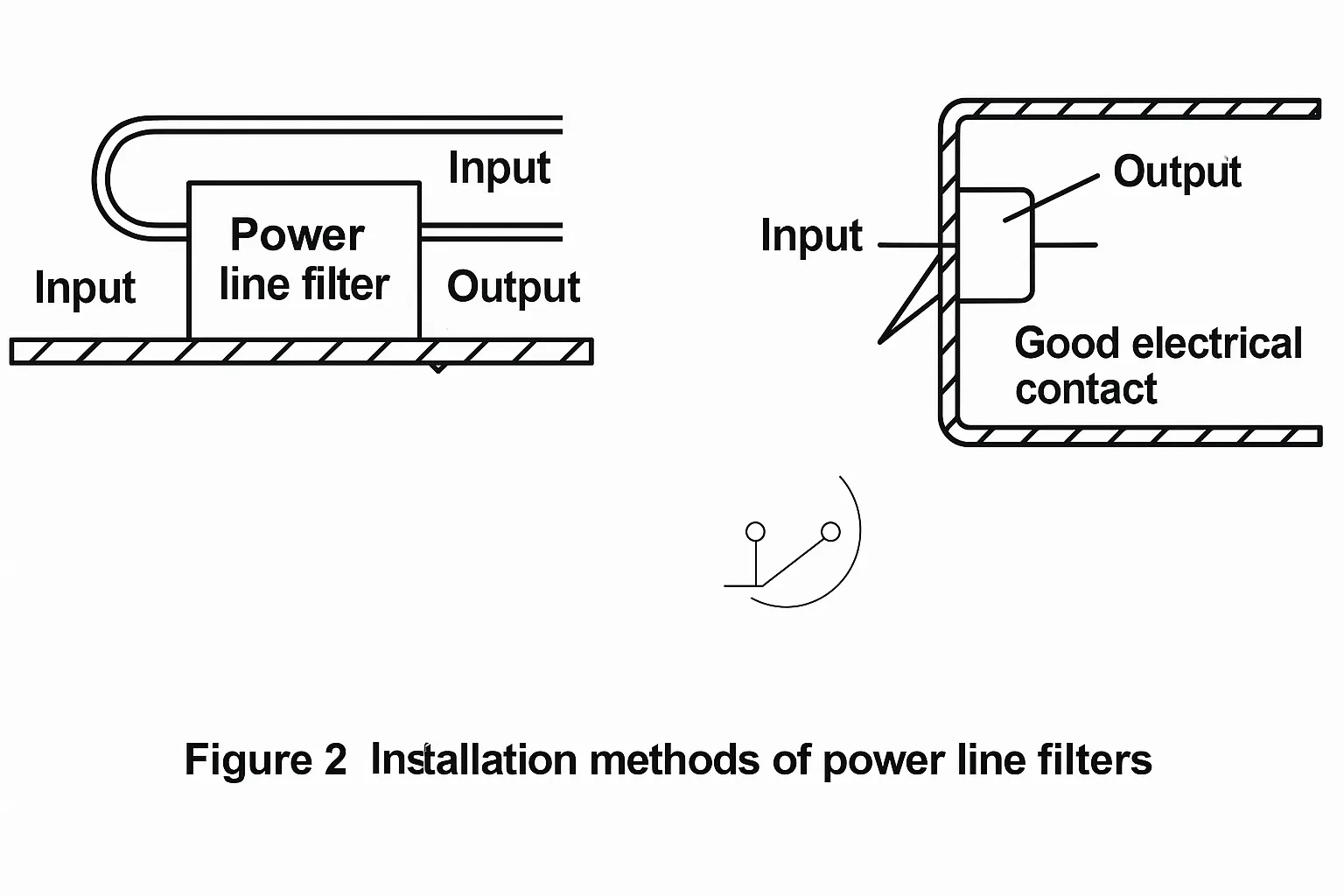
Correct filter installation is therefore a crucial step in preventing EMI. The goal of a power line filter is to prevent conducted interference from the mains from entering the medical device. If the filter is installed incorrectly, interference on the power line can still affect the device by radiation or induction even inside a shielded enclosure, so proper installation is essential.
2.3 Improvements and results
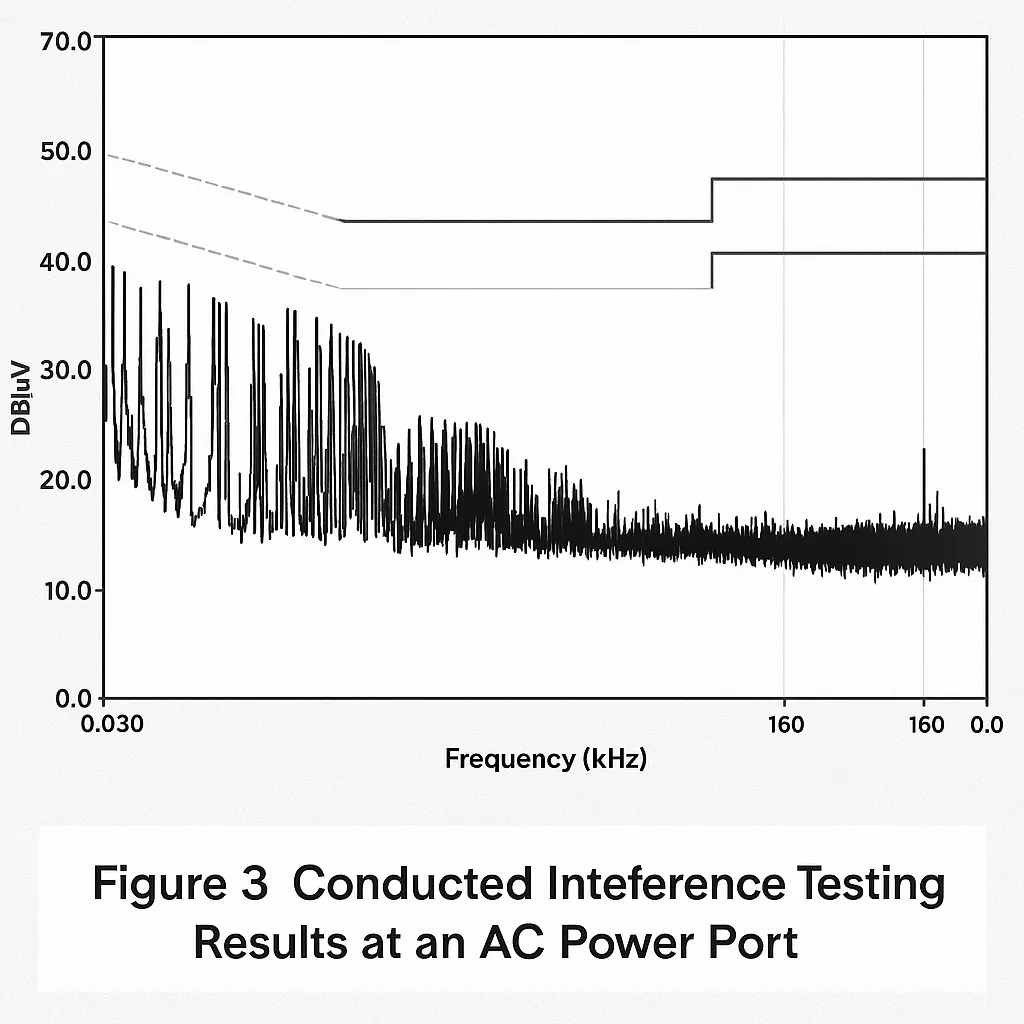
Based on the analysis above, the power line filter was installed at the microscope power input with ensured isolation between filter input and output, and additional internal circuit modifications were made. Retesting produced results that met Class B conducted emissions limits. The modified design was implemented in mass production, and EMC testing of each unit met the standard requirements.
3 Conclusion
Power line filters are commonly used to meet EMC requirements. Installed at the power entry, they suppress incoming interference from the mains and prevent device-generated interference from propagating back onto the power grid. To achieve EMC compliance for medical electrical equipment, it is important not only to select a filter with effective attenuation, but also to install it correctly with attention to grounding and port isolation.