ALLPCB


The myth of the Labyrinth of Minos, designed by Daedalus to confine the Minotaur, resembles the current state of the metaverse: dazzling technological descriptions and speculative prospects that often leave observers impressed yet confused. The metaverse concept is relatively new, but its realization depends less on single breakthrough technologies than on the cluster effects that arise when existing technologies converge. This integrated fusion of multiple technologies is interpreted in various ways: immersive experiences enabled by perceptual interaction, expanded social domains derived from artificial intelligence, and real-time interaction systems ensured by digital transmission. To assess whether the metaverse signals a feasible future lifestyle or a tool for specific sectors such as defense, we need to clarify the technical pillars that support it.
Perceptual Interaction: Blending Virtual and Real
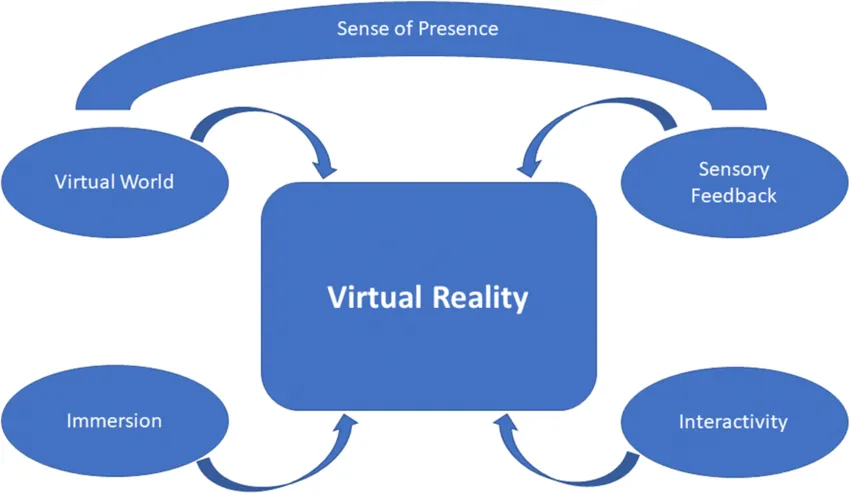
The metaverse is the product of deep coupling between the physical and virtual worlds. As Mark Zuckerberg put it, the metaverse can be considered an embodied internet: rather than browsing content, you are inside the content. Ordinary digital media only partially extend human perception. To achieve the full bodily immersion envisioned for the metaverse requires perceptual interaction technologies such as virtual reality, augmented reality, and mixed reality.
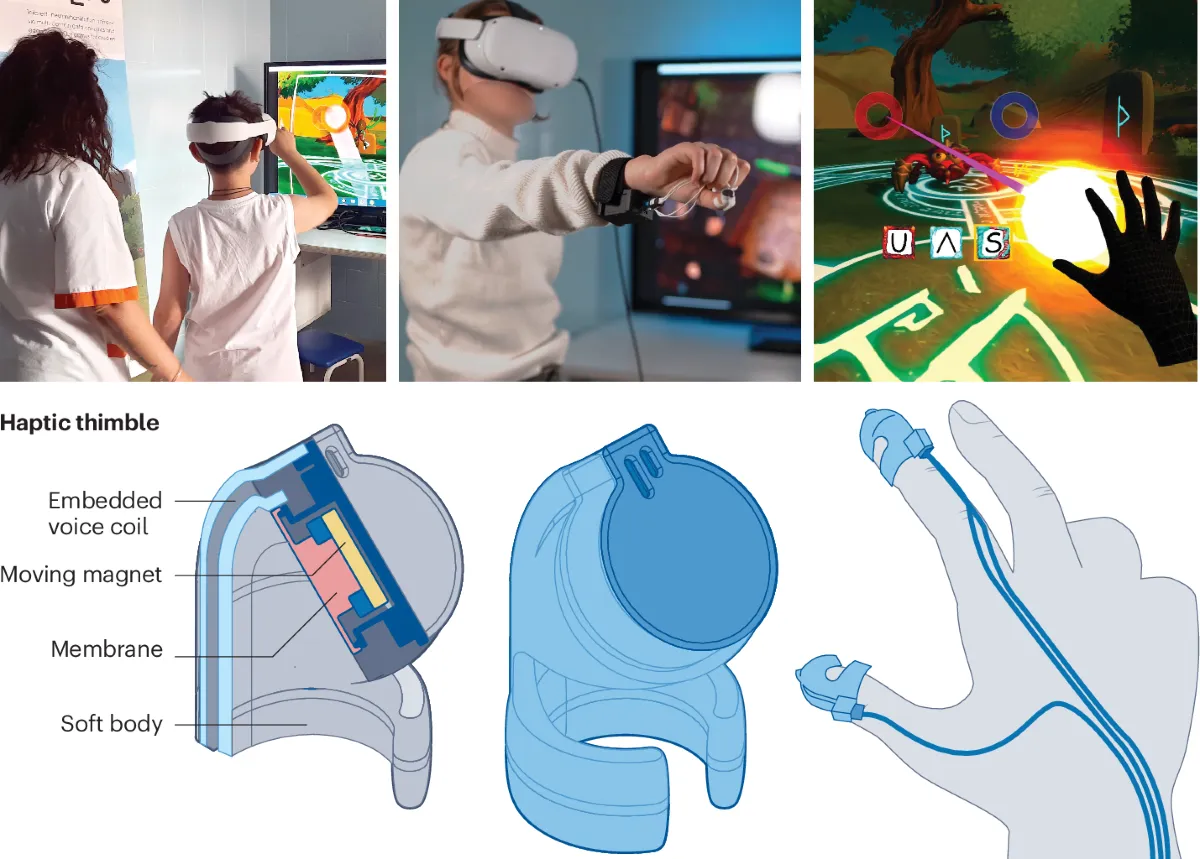
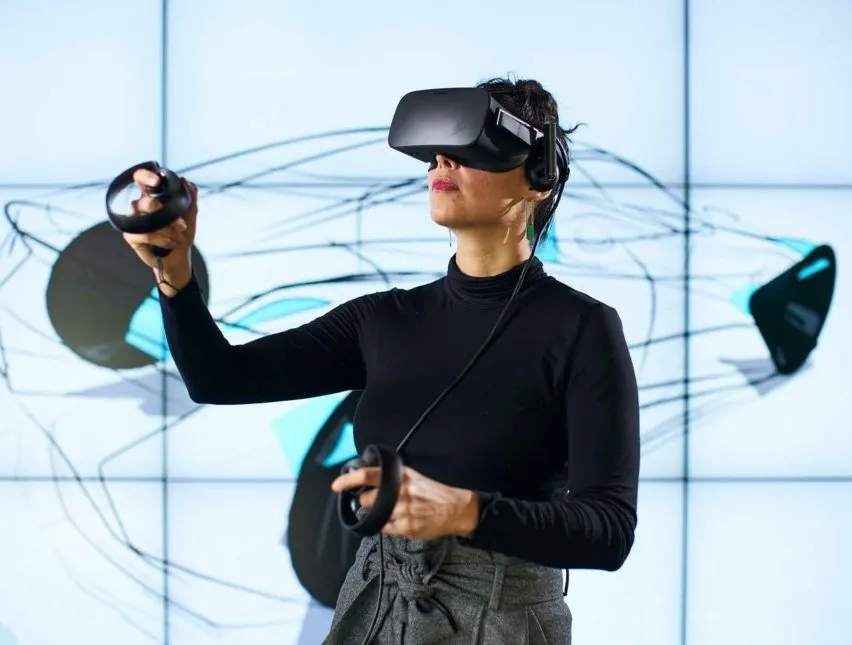
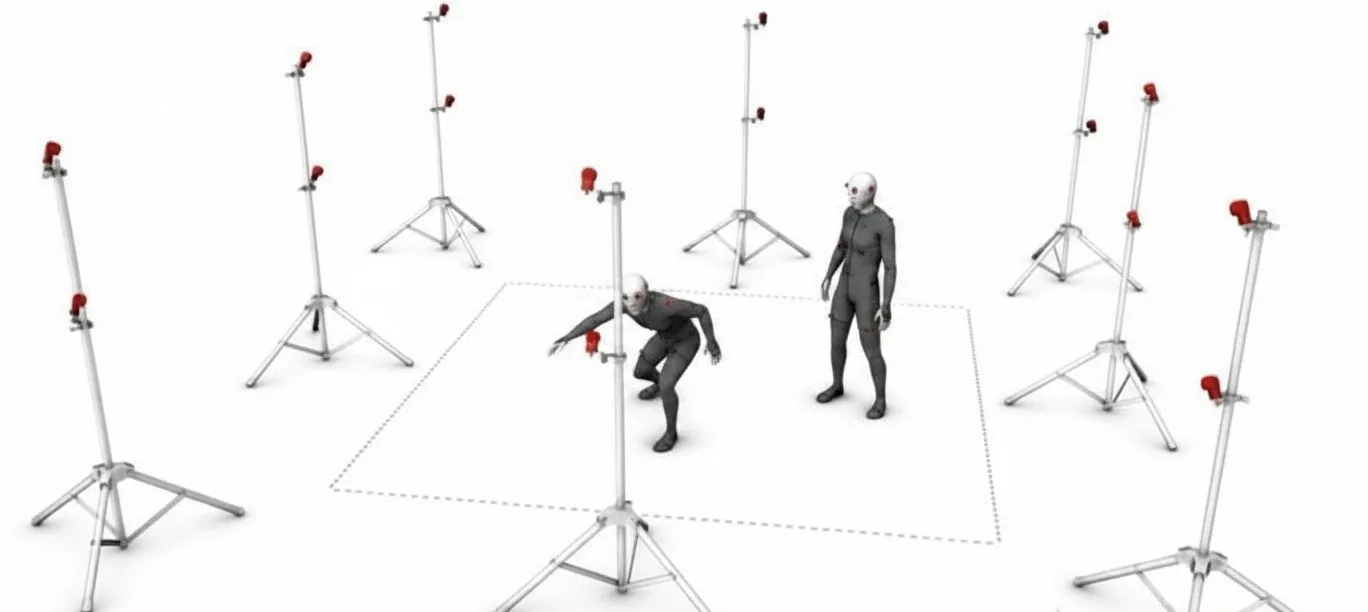
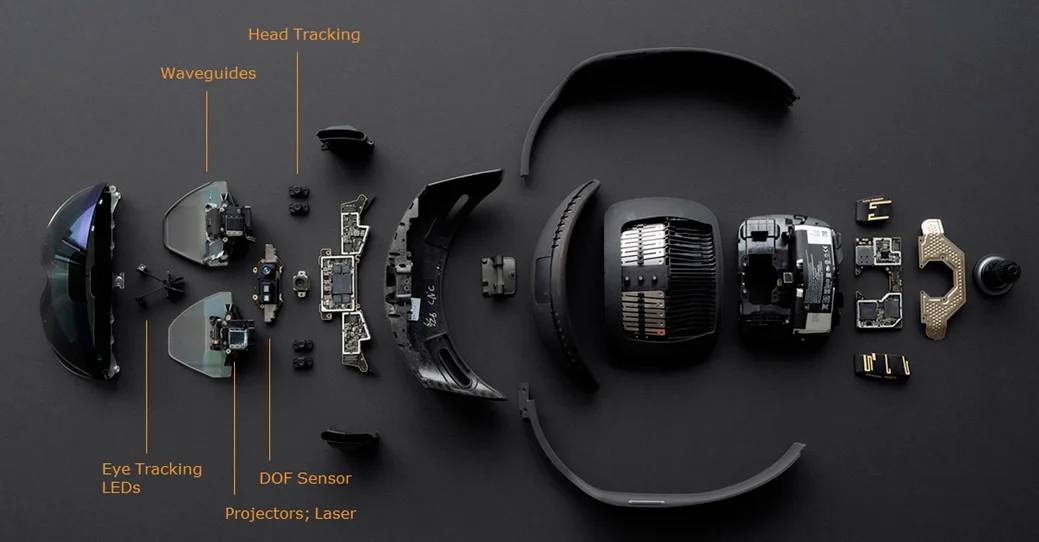
Virtual reality expands human sensory channels and captures motion to realize input and output of information in the metaverse, opening the door to immersive experiences. Augmented reality overlays virtual information on top of the real world while keeping the real world as the primary reference. Mixed reality projects light fields onto the retina to place virtual objects within reality, enhancing interaction between the two. Sensing technology and brain–computer interfaces improve the realism and response speed of interactions among users and between users and their environment. Holographic imaging aims to free users from wearable devices, increasing degrees of freedom in mixed reality scenarios.
In the military domain, mature perceptual interaction technologies can provide realistic battlefield experiences for soldiers, reshape training design, and address shortcomings of conventional live training ranges. These technologies enable hybrid decision-support approaches that allow commanders to switch between real operational environments and simulated spaces, iteratively validate and optimize plans, and run parallel wargaming modes where virtual scenarios inform real-world actions. Both extension of sensory perception and concrete environmental feedback can inspire new methods in military training and operational planning.
AI and Intelligent Systems: Supporting Social Interaction
Regardless of how the metaverse evolves, its social dimension remains fundamental. Whether interacting with other participants or with AI-generated agents, the metaverse relies on AI-related technologies—including intelligent speech, computer vision, natural language processing, and machine learning—to sustain social interaction.
Intelligent speech and computer vision provide multimodal communication between agents and users. Natural language processing removes barriers between heterogeneous systems. Sensors supply the raw experiential data needed for believable interaction. Machine learning enhances the intelligence of characters and agents, improving anthropomorphism and enabling more natural social behaviors. AI also functions as a generative engine: by producing large volumes of varied content, AI supports emergent growth in the metaverse and assists in large-scale content moderation to maintain safety and legality.
On future battlefields, the trend toward unmanned operations depends on artificial intelligence. The sociality of the metaverse maps onto battlefield coordination: faster tempo and increased automation demand quicker and more accurate decision making. AI learns from human reasoning and decision processes, incorporates cognitive patterns into models, and adapts through new machine learning techniques to meet diverse operational requirements. As a result, AI can serve roles analogous to advisor, teammate, and high-risk actor in combat scenarios.
Data Transmission: Enabling Real-Time Interaction
For a system as large as the metaverse, efficient data transmission is essential. Technologies such as edge computing, cloud computing, and 5G/6G networks form the backbone that supports real-time, stable operation.
Edge computing places combined networking, computation, and storage capabilities close to data sources. Processing data nearer the source reduces latency and improves responsiveness. Cloud computing dynamically allocates computing resources by integrating distributed, utility, and parallel computing techniques to scale compute capacity and reduce the burden on end devices. Prominent 5G networks and emerging 6G concepts demonstrate capabilities that can support the metaverse: 5G provides foundational infrastructure for machine-to-machine and human-to-machine interconnection, while 6G is envisioned to further extend support for pervasive Internet of Things applications.
Digital transmission is also critical for military networked systems, enabling geographically distributed commanders to share information and reach collective decisions. Key requirements include standardized transmission protocols for coordinating multiple virtual spaces, high-throughput networks to avoid losing critical situational data, and edge-intelligent systems to ensure data accuracy and authenticity. These capabilities support collaborative command and control, enable deception and information operations, and make cross-space coordination and deep collaboration feasible.
Game Technologies: Enabling Diversity and Rapid Content Generation
Gaming was both an intellectual origin and a primary manifestation of the metaverse idea. Game technologies provide flexible interaction models and content-aggregation mechanisms that fit the metaverse concept: platforms supply frameworks rather than finished products. Core technologies from electronic gaming—game engines, 3D modeling, and real-time rendering—contribute to the metaverse's entertainment value, diversity, and capacity for rapid content creation.
Game engines include ready-made, editable systems and core components for interactive real-time graphics, such as physics and collision systems. These engines provide technical support for realistic scene construction and can be called upon to generate virtual environments quickly. 3D modeling uses three-dimensional software to create models with spatial data, integrating color theory, geometry, and related knowledge to build virtual worlds. Real-time rendering underpins the visual realism of virtual scenes by computing and outputting graphics data dynamically.
In military applications, game technologies enrich simulated confrontations and reconstruct operational rules. They help validate weapon systems earlier by building simulation models from equipment parameters and historical data, establishing standardized testing processes. Immersive decision-support systems based on game engines can simulate terrain, water, and other environment semantics to improve three-dimensional reconstruction of the battlespace, supporting multi-granularity and multi-scenario wargaming consistency.
Digital Twin: Ensuring Continuity and Lifecycle Consistency
A digital twin is a dynamic virtual replica of a real object or system. Through sensors, a twin receives real-time data on the host's operational state and surrounding environment. Built on the Internet of Things, digital twins map real-world conditions into virtual counterparts and provide a reliable basis for linking entities and enabling virtual co-existence.
The defining characteristic of a digital twin is dynamic simulation: it evolves over time according to the physical model, feedback data, and historical records of the real object. This material-linked behavior ensures lifecycle continuity: as long as the physical infrastructure remains intact, the virtual twin continues to exist in synchronization with reality.
Digital twins are particularly attractive for military experimentation and training because they mitigate the gap between simulation and reality. By fully replicating and dynamically evolving real systems, twins offer broad platforms for validating hypothetical scenarios. Real-world data mapped into immersive battlefields can convey unit attributes accurately, help eliminate barriers between commanders and terminals, and address incomplete environmental simulation. Dynamic synchronization of battlefield details enables commanders to assess situations at depth. The bidirectional exchange between real and virtual thinking can also inform cognitive operations and decision-making methodologies.
Blockchain: Supporting Decentralization and Autonomy
In ideal metaverse models, participants can transcend real-world identities, regulatory constraints, and centralized control to gain equality and autonomy. Individuals may control multiple digital personas and experience varied virtual lives. This autonomy is technically grounded in blockchain.
Blockchain provides a peer-to-peer network architecture that logically circumvents platform intermediaries, enabling independence among participants. Its transparency, immutability, stability, and pseudonymity underpin decentralization and high autonomy in virtual environments. On-chain protocols can generate non-fungible tokens (NFTs) to represent exclusive ownership of user data assets, while smart contracts serve as execution mechanisms that allow autonomous transactions without third-party enforcement.
Blockchain acts both as protector of virtual personal assets and as an authentication layer for security, enabling users to manage data production, resource development, rule-setting, and revenue distribution. In military contexts, decentralization can expand individual creativity and support innovative tactics. Blockchain's flexible, distributed architecture helps meet diverse needs, enhances data privacy and transmission security, reduces single-node storage inefficiencies, and improves resilience against node damage, power loss, or interference.
Conclusions
Examining the metaverse's technical complexity reveals that it synthesizes advances from the information revolution, the internet revolution, artificial intelligence, and virtual reality. These are not all the latest breakthroughs; rather, their creative integration provides new pathways. The metaverse represents a technological trend, but it has not yet been fully realized. Individual component technologies still face limitations: 5G penetration is incomplete, 6G remains in development, virtual reality is largely confined to specialized applications with high cost and limited content, and AI continues to contend with scripted constraints before allowing truly free creative agency.
The metaverse's promise—whether for social systems or military training—is compelling. A mature metaverse could immerse personnel in lifelike training scenarios, provide direct exposure to combat consequences, support staff planning, and enable accurate operational simulations. At the same time, technological hype, exaggeration, and misleading claims frequently accompany emerging technologies, and the metaverse is no exception. For potentially disruptive domains, it is important to prepare early, monitor developments for strategic threats, and cultivate critical assessment skills. Careful evaluation and improved technical literacy are needed to navigate the metaverse’s complexities and avoid being misled.