ALLPCB


In the world of electronics, printed circuit boards (PCBs) are the backbone of countless devices, especially in critical fields like medical technology. However, PCB contamination poses a significant challenge, leading to performance issues and potential failures. So, how can manufacturers ensure their PCBs remain clean and reliable? The answer lies in precision cleaning solutions, with vapor degreasing emerging as a top method for achieving spotless results, particularly in medical applications. In this blog, we dive deep into the challenges of PCB contamination and explore effective cleaning techniques to ensure high reliability and safety in sensitive materials and devices.
Understanding PCB Contamination: Why It's a Problem
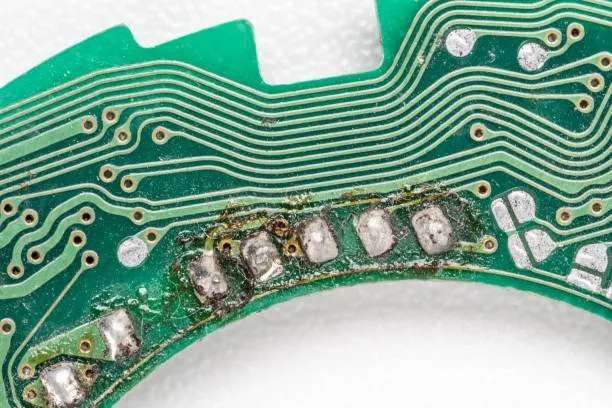
PCBs are intricate components with tiny circuits and densely packed elements. During manufacturing, assembly, or even handling, they can become contaminated with residues like flux, solder paste, oils, dust, and other particulates. These contaminants might seem minor, but they can cause major issues, especially in high-stakes industries like medical device production.
For instance, in medical equipment such as pacemakers or diagnostic tools, even a small amount of residue can lead to parasitic leakage or electrochemical migration. These problems can result in short circuits or signal interference, directly impacting device performance. According to industry studies, up to 30% of PCB failures in critical applications can be traced back to contamination-related issues. This makes cleaning not just a step in the process but a necessity for reliability.
Common Sources of PCB Contamination
To tackle contamination, it's essential to know where it comes from. Here are the primary sources that affect PCBs, especially in medical applications:
- Manufacturing Residues: Flux used during soldering often leaves behind sticky residues. If not removed, these can attract dust or moisture, leading to corrosion over time.
- Environmental Factors: Dust, humidity, and airborne particles can settle on PCBs during assembly or storage, particularly in less controlled environments.
- Human Handling: Fingerprints and oils from skin contact can introduce contaminants that interfere with delicate circuits, especially on high-density boards.
- Material Impurities: Some PCB materials or components might carry trace contaminants from their production, which can affect performance if not cleaned properly.
These sources highlight why precision cleaning is critical, especially for medical PCBs where a failure could have life-threatening consequences.
The Unique Challenges of Cleaning PCBs for Medical Applications
Medical PCBs are often smaller, more complex, and packed with high-density components compared to standard electronics. This creates unique cleaning challenges:
- Tight Spaces: With components spaced less than 0.5 mm apart in some designs, cleaning fluids must penetrate tiny gaps without leaving residue behind.
- Delicate Materials: Medical PCBs often use sensitive substrates and coatings that can be damaged by harsh chemicals or aggressive cleaning methods.
- Regulatory Standards: Devices must meet strict standards like ISO 10993 for biocompatibility, meaning cleaning processes must avoid introducing harmful substances.
- High Reliability Needs: A medical device failure due to contamination could result in impedance mismatches or signal delays, with studies showing signal speed reductions of up to 15% in contaminated circuits.
These challenges demand cleaning solutions that are both effective and gentle, ensuring no harm comes to the board or its intended use.
Why Precision Cleaning Matters for PCB Performance
Precision cleaning isn't just about removing visible dirt; it's about ensuring that every trace of contamination is eliminated at a micro-level. For medical PCBs, this is vital for several reasons:
- Signal Integrity: Contaminants can alter impedance values, leading to signal loss. Clean boards maintain consistent impedance, often within a tolerance of ±10 ohms, ensuring accurate data transmission.
- Longevity: Residues like flux can cause corrosion over time, reducing a device's lifespan. Precision cleaning removes these risks, extending operational life.
- Safety: In medical applications, a contaminated PCB could fail during critical use, such as in a ventilator or insulin pump, putting patients at risk.
Cleaning, therefore, is a cornerstone of quality assurance, directly impacting both performance and safety.
Exploring Precision Cleaning Solutions for PCBs
With the stakes so high, choosing the right cleaning method is crucial. Here, we explore some of the most effective precision cleaning solutions for PCBs, focusing on methods suited for medical applications.
Manual Cleaning: A Limited Approach
Manual cleaning with brushes and solvents can work for larger, less complex boards. However, it's labor-intensive and inconsistent, often missing contaminants in tight spaces. For medical PCBs, where repeatability and thoroughness are non-negotiable, manual methods fall short.
Ultrasonic Cleaning: Effective but Risky
Ultrasonic cleaning uses high-frequency sound waves to agitate a cleaning solution, dislodging contaminants from surfaces. While effective for many PCBs, it can damage delicate components or cause cavitation stress on sensitive materials. This makes it less ideal for high-density medical boards with fragile elements.
Vapor Degreasing: The Gold Standard for Precision Cleaning
Vapor degreasing stands out as one of the most reliable and efficient methods for cleaning PCBs, especially in medical contexts. This technique uses a solvent in a closed system, where the solvent is heated to create a vapor. The PCB is immersed in this vapor, which condenses on the cooler board, dissolving and removing contaminants like flux, oils, and particulates.
Here's why vapor degreasing excels:
- Thorough Cleaning: The low surface tension of modern solvents allows them to penetrate tiny gaps, cleaning areas as small as 0.1 mm under components.
- Consistency: The process is automated and repeatable, ensuring every board meets the same high standard—a must for regulatory compliance in medical fields.
- Material Safety: Advanced, non-ozone-depleting solvents are designed to be gentle on delicate PCB materials while still being powerful against contaminants.
- Efficiency: Vapor degreasing combines cleaning, rinsing, and drying in one cycle, often completing the process in under 10 minutes per batch.
Additionally, modern vapor degreasing systems are environmentally friendly, using sustainable solvents that minimize ecological impact while maintaining cleaning power. This makes it a cost-effective and responsible choice for manufacturers.
Benefits of Vapor Degreasing for Medical PCB Cleaning
Vapor degreasing offers specific advantages that align perfectly with the needs of medical PCB production. Let's break down these benefits:
- Submicron Cleaning: It removes residues at a submicron level, ensuring no trace contaminants remain to cause issues like dendrite growth or shorting.
- Regulatory Compliance: The consistent results simplify process validation, helping manufacturers meet strict medical standards with documented repeatability.
- Cost-Effectiveness: While initial setup costs for vapor degreasing equipment can range from $10,000 to $50,000 depending on scale, the reduced labor and solvent waste make it economical over time.
- Versatility: It works on a wide range of contaminants, from organic residues like oils to inorganic particles like dust, making it a one-stop solution.
For medical applications, where precision and reliability are paramount, vapor degreasing delivers results that other methods struggle to match.
Best Practices for Implementing Precision Cleaning in PCB Manufacturing
To get the most out of precision cleaning, especially with vapor degreasing, manufacturers should follow these best practices:
- Choose the Right Solvent: Opt for modern, sustainable solvents compatible with your PCB materials. Test solvents on sample boards to ensure they don't cause damage.
- Control the Environment: Minimize contamination risks by cleaning PCBs in a controlled, cleanroom environment, especially for medical devices.
- Validate the Process: Regularly test cleaned PCBs for residue using methods like ion chromatography to confirm cleanliness levels meet standards like IPC-6012 for medical electronics.
- Train Staff: Ensure personnel are trained in handling and cleaning processes to avoid introducing contaminants during manual steps.
- Maintain Equipment: Regularly service vapor degreasing systems to prevent solvent degradation or equipment malfunctions that could affect cleaning quality.
By integrating these practices, manufacturers can achieve consistent, high-quality cleaning results, ensuring their PCBs perform reliably in critical applications.
Future Trends in PCB Cleaning for Medical Applications
As medical technology advances, so do the demands on PCB cleaning. Here are some emerging trends to watch:
- Greener Solvents: The push for sustainability is driving the development of even more eco-friendly cleaning fluids that maintain effectiveness while reducing environmental impact.
- Automation: Fully automated cleaning systems integrated with AI are being developed to optimize cleaning cycles and detect contamination levels in real-time.
- Nanotechnology: Cleaning at the nanoscale is becoming more relevant as PCBs shrink further, with new methods targeting contaminants invisible to the naked eye.
These innovations promise to make precision cleaning even more effective, ensuring that medical PCBs remain at the forefront of reliability and safety.
Conclusion: Prioritizing Cleanliness for Reliable Medical PCBs
PCB contamination is a serious challenge, especially in the medical field where device reliability can be a matter of life and death. From manufacturing residues to environmental dust, contaminants can compromise signal integrity, longevity, and safety. Precision cleaning, particularly through vapor degreasing, offers a powerful solution to these challenges. With its ability to clean at a submicron level, ensure consistency, and meet strict regulatory standards, vapor degreasing is the go-to method for medical PCB manufacturers.
By understanding contamination sources, adopting best practices, and staying ahead of emerging trends, manufacturers can ensure their PCBs meet the highest standards of performance. Clean PCBs aren't just a technical requirement—they're a commitment to quality and safety in every device. Whether you're producing components for diagnostic tools or life-saving equipment, precision cleaning is the key to success.