ALLPCB


Main functions of a face recognition access control system
A face recognition access control system typically consists of face recognition hardware and a management platform. The hardware captures facial images via cameras and compares them against a preloaded face database to verify identity; authorized matches trigger door release. The management platform provides functions such as access permission management, device administration, and data analysis. The complete system controls personnel flow and improves security, avoiding issues like lost access cards, altered fingerprints, or forgotten passwords, and it is more convenient for users with limited hand mobility.
Face recognition access control is used in residential complexes, construction sites, enterprises, industrial parks, and government office buildings to manage access permissions. The system captures faces and compares them with a pre-enrolled face database to determine access based on area, door location, and time period. The primary control is face recognition hardware, which can be combined with IC cards, fingerprint readers, or other methods for multi-factor verification to further enhance security.
1. Separate handling of internal and external personnel, improving user experience
Internal personnel can have their information pre-enrolled in the system to enable attendance tracking, access control, and permission management, as well as rapid reporting of headcounts and locations. For external visitors, they can submit reservation information through a mobile app or web portal; hosts can invite visitors and administrators can pre-enroll visitor photos into the face database so visitors do not need to register on arrival and can gain entry by face recognition.
2. Infrared face recognition for higher accuracy in security
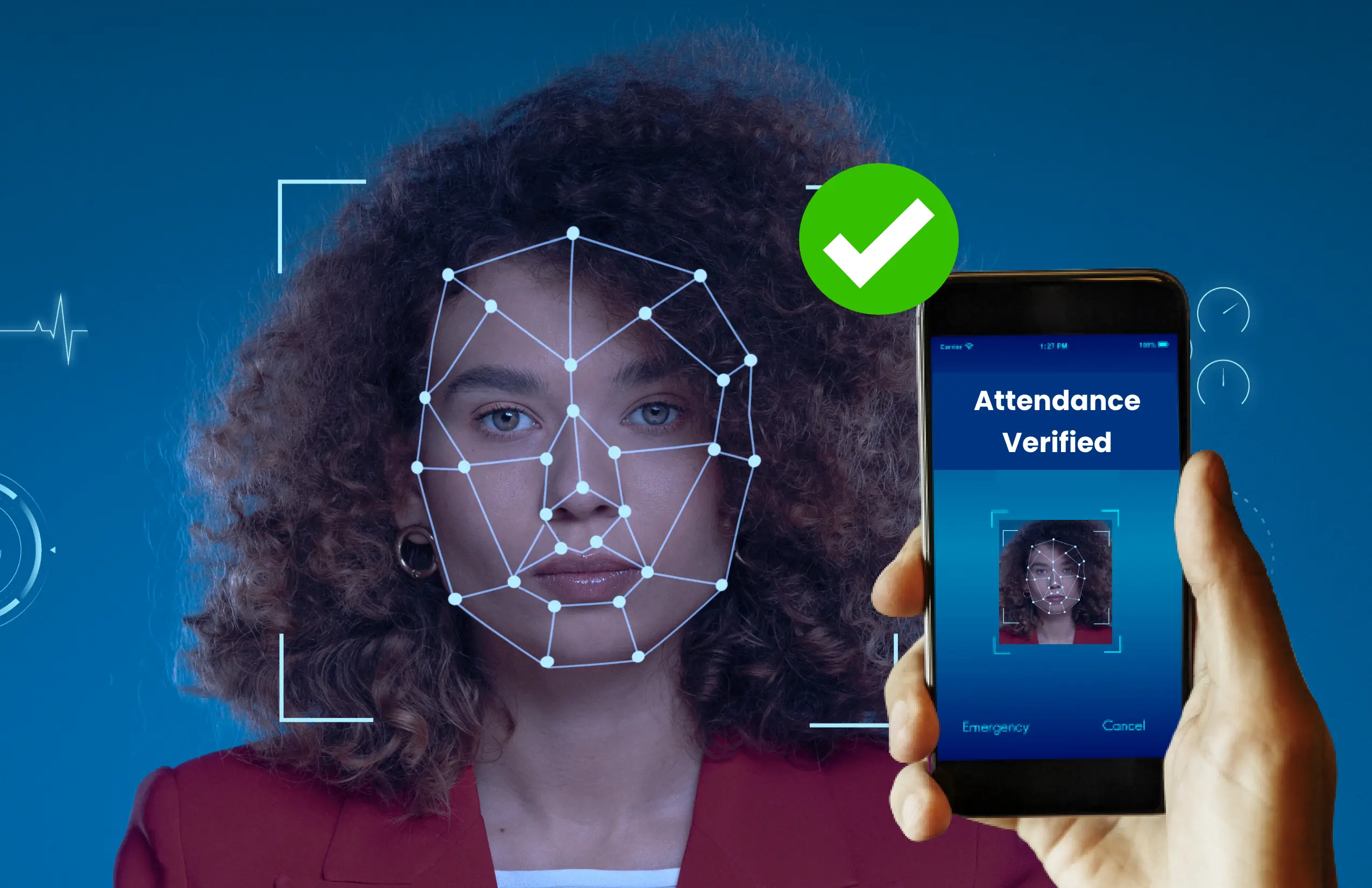
Face recognition terminals or turnstiles often use stereo cameras and infrared-based face detection, offering strong anti-interference capability. This reduces the impact of ambient lighting and viewing angles and enables precise extraction of facial features for live-person dynamic comparison, significantly lowering recognition errors. If a presented face does not match the database, access is denied, preventing unregistered individuals or attempts using photographs from entering.
3. Interconnected data across multiple entrances for centralized management
When an organization has multiple entry points, multiple face recognition turnstiles can be installed with a unified database and terminal management platform. This enables data interconnection among devices and centralized management of multiple entrances. Specific deployments can be customized according to the actual needs of each site.
4. Assignable permissions to enforce security
For organizations with many departments or high security requirements, face recognition devices can be deployed at sensitive areas such as R&D departments and configured with access permissions so that only authorized personnel can enter, helping protect sensitive information.
Advantages of face recognition access control
Traditional access control often relies on card swipes, passwords, or fingerprint recognition, which can suffer from lost cards, leaked passwords, or stolen fingerprints. Those systems also generally require use of a hand, which can be inconvenient when a person's hands are occupied or disabled. Face recognition access control offers more accurate identification due to the uniqueness and difficulty of replicating facial features, effectively preventing unauthorized entry. It eliminates problems associated with lost cards, leaked passwords, or stolen fingerprints, and enables contactless, frictionless entry, improving the user experience.
In management applications, face recognition systems simplify administration. Previously, personnel changes required reissuing cards, reprogramming fingerprints, or replacing keys. With face-based access, new residents only need to register their facial information with building management to gain access, and administrators can quickly remove access for departing individuals, reducing management costs.
Advances in face recognition algorithms have reduced sensitivity to factors such as makeup, photos, masks, or lighting conditions, making it increasingly difficult for unauthorized persons to gain entry through disguise or spoofing.
Access control is the first line of security for personnel movement, and its design is a key concern in the security market. With broad development in artificial intelligence, face recognition has been rapidly adopted and is now applied across residential, financial, educational, corporate, and construction sectors.