ALLPCB


In the fast-growing world of wearable health monitors, battery life is a critical factor that can make or break a device’s success. Whether it’s a fitness tracker, a heart rate monitor, or a glucose sensor, users expect long-lasting performance without frequent recharging. One often overlooked aspect that significantly affects battery life is the choice of PCB (Printed Circuit Board) material. So, how does PCB material selection impact battery life in wearable health monitors? Simply put, the right material can reduce power consumption, minimize energy loss, and improve overall efficiency, leading to extended battery life. In this blog, we’ll dive deep into the role of low power PCB materials, explore wearable PCB power consumption, and provide insights on optimizing battery life PCB designs for wearable devices. Let’s explore the key considerations, including FR4 vs Polyimide wearable options and tips for choosing PCB laminate for wearables.
Why PCB Material Selection Matters for Wearable Health Monitors
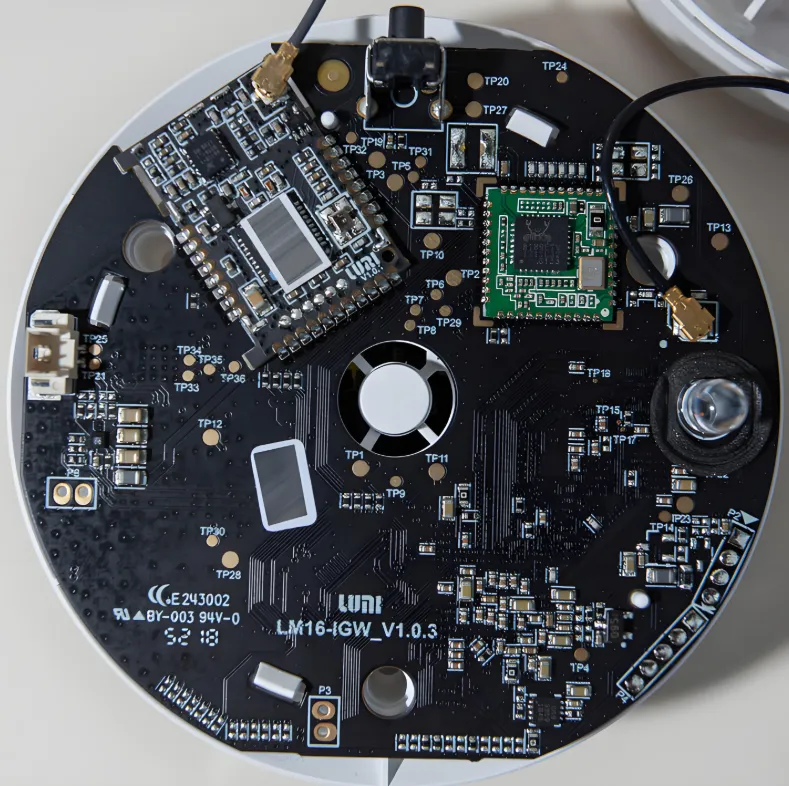
Wearable health monitors are small, lightweight devices that need to operate efficiently in constrained spaces. The PCB is the backbone of these devices, hosting critical components like sensors, microcontrollers, and power management circuits. The material used for the PCB directly influences how much power the device consumes and how effectively it manages energy. Poor material choices can lead to higher resistance, increased heat generation, and signal loss, all of which drain the battery faster. On the other hand, selecting the right material can optimize power usage, reduce energy waste, and extend the device’s operational time between charges.
Beyond battery life, PCB materials also impact the durability, flexibility, and weight of wearables, which are crucial for user comfort and long-term reliability. With the rising demand for devices that last days or even weeks on a single charge, engineers must prioritize materials that support low-power designs while meeting the unique needs of wearable applications.
Key Factors in PCB Material Selection for Low Power Consumption
When designing PCBs for wearable health monitors, several material properties play a role in determining power efficiency. Let’s break down the most important factors that influence wearable PCB power consumption and how they relate to battery life.
1. Dielectric Constant (Dk) and Power Loss
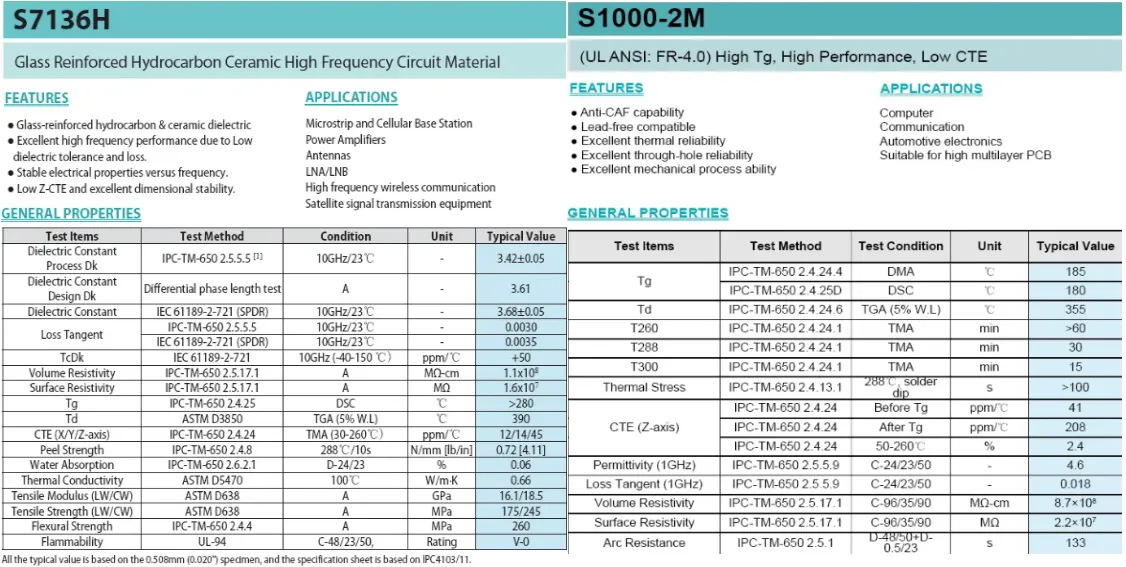
The dielectric constant of a PCB material measures its ability to store electrical energy. Materials with a lower Dk value reduce capacitance between traces, which minimizes signal delay and power loss. For wearable devices operating at high frequencies (common in wireless communication like Bluetooth), a low Dk is essential to prevent energy waste. For instance, standard FR4 materials typically have a Dk of around 4.3 to 4.5, while advanced laminates like Polyimide can offer values closer to 3.5, making them more efficient for low-power designs.
2. Dissipation Factor (Df) and Energy Efficiency
The dissipation factor indicates how much energy a material loses as heat during signal transmission. A lower Df means less energy is wasted, directly contributing to optimizing battery life PCB designs. For wearables, where every milliwatt counts, choosing a material with a Df below 0.01 is ideal. FR4 often has a Df of 0.02, while specialized low-loss laminates can achieve values as low as 0.002, significantly reducing power consumption.
3. Thermal Conductivity and Heat Management
Wearable devices generate heat during operation, especially in compact designs with limited ventilation. If a PCB material has poor thermal conductivity, heat builds up, forcing components to work harder and consume more power. Materials with higher thermal conductivity, such as certain ceramic-based laminates, can dissipate heat more effectively, maintaining lower operating temperatures and preserving battery life. For example, FR4 has a thermal conductivity of about 0.3 W/m·K, while some advanced materials can reach up to 1.0 W/m·K or higher.
4. Flexibility and Form Factor
Wearables often require flexible or rigid-flex PCBs to fit into curved or compact designs. Flexible materials like Polyimide allow for thinner, lighter boards that can conform to the shape of the device, reducing the overall power needed for operation. Rigid materials like FR4, while cost-effective, may not offer the same space-saving benefits, potentially leading to larger, less efficient designs.
Suggested Image Placement: Include a diagram here comparing the properties of different PCB materials (e.g., FR4 and Polyimide) in a table or chart format. ALT Text: "Comparison of PCB material properties for wearable devices."
FR4 vs Polyimide Wearable PCBs: Which is Better for Battery Life?
Two of the most common PCB materials for wearables are FR4 and Polyimide. Each has its strengths and weaknesses, especially when it comes to power efficiency and battery life. Let’s compare FR4 vs Polyimide wearable options to help you make an informed decision.
FR4: Cost-Effective but Limited for Low Power
FR4 is a widely used PCB material made of woven fiberglass and epoxy resin. It’s affordable, durable, and suitable for many electronic applications. However, for wearable health monitors focused on low power PCB materials, FR4 has limitations:
- Higher Dielectric Constant: With a Dk of around 4.5, FR4 can cause more signal loss at high frequencies, leading to increased power consumption.
- Higher Dissipation Factor: A Df of 0.02 means more energy is lost as heat, which is not ideal for battery-powered devices.
- Rigidity: FR4 is rigid, making it less suitable for flexible wearable designs that require compact, lightweight boards.
FR4 can still work for budget-friendly wearables with simpler power requirements, but it may not be the best choice for devices where battery life is a top priority.
Polyimide: Flexible and Power-Efficient
Polyimide is a high-performance material often used in flexible and rigid-flex PCBs. It’s a popular choice for wearable health monitors due to its superior properties:
- Lower Dielectric Constant: With a Dk of around 3.5, Polyimide reduces signal loss, making it more efficient for high-frequency applications common in wearables.
- Lower Dissipation Factor: A Df of approximately 0.008 means less energy is wasted, supporting longer battery life.
- Flexibility: Polyimide’s flexibility allows for thinner, lighter designs that fit into small, curved spaces without sacrificing performance.
- Thermal Stability: Polyimide can withstand higher temperatures, reducing the risk of heat-related power inefficiencies.
While Polyimide is more expensive than FR4, its benefits in terms of power efficiency and design flexibility make it a top choice for advanced wearable health monitors aiming to maximize battery life.
Winner for Battery Life: Polyimide generally outperforms FR4 for wearable devices focused on optimizing battery life PCB designs due to its lower power loss and flexibility. However, for cost-sensitive projects with less demanding power needs, FR4 can still be a viable option.
Choosing PCB Laminate for Wearables: A Step-by-Step Guide
Selecting the right PCB laminate is crucial for balancing power efficiency, durability, and cost in wearable health monitors. Here’s a practical guide to choosing PCB laminate for wearables with a focus on extending battery life.
Step 1: Assess Power Requirements
Start by evaluating the power needs of your device. Does it use high-frequency signals for wireless communication? Are there strict limits on power consumption to achieve a target battery life (e.g., 7 days or more)? If low power is a priority, opt for materials with low Dk and Df values to minimize energy loss.
Step 2: Consider Form Factor and Flexibility
Determine whether your wearable requires a flexible or rigid-flex PCB to fit into a compact or curved design. Flexible materials like Polyimide are ideal for most modern wearables, as they save space and reduce weight, indirectly contributing to power efficiency by allowing for smaller batteries or optimized layouts.
Step 3: Evaluate Thermal and Environmental Conditions
Wearables are often exposed to varying temperatures, humidity, and physical stress. Choose a laminate with good thermal conductivity and stability to prevent heat buildup, which can drain battery life. Materials with high thermal conductivity (above 0.5 W/m·K) and resistance to environmental factors are preferred.
Step 4: Balance Cost and Performance
High-performance laminates like Polyimide or low-loss materials come at a higher cost. If your device targets a premium market with a focus on long battery life, investing in advanced materials is worthwhile. For budget devices, consider hybrid solutions, such as combining FR4 with flexible layers, to achieve a balance between cost and efficiency.
Step 5: Test and Iterate
Once you’ve selected a material, prototype your PCB design and test its power consumption under real-world conditions. Measure key metrics like current draw, heat generation, and signal integrity to ensure the material meets your battery life goals. Adjust as needed based on test data.
 "
"
Additional Tips for Optimizing Battery Life in Wearable PCB Designs
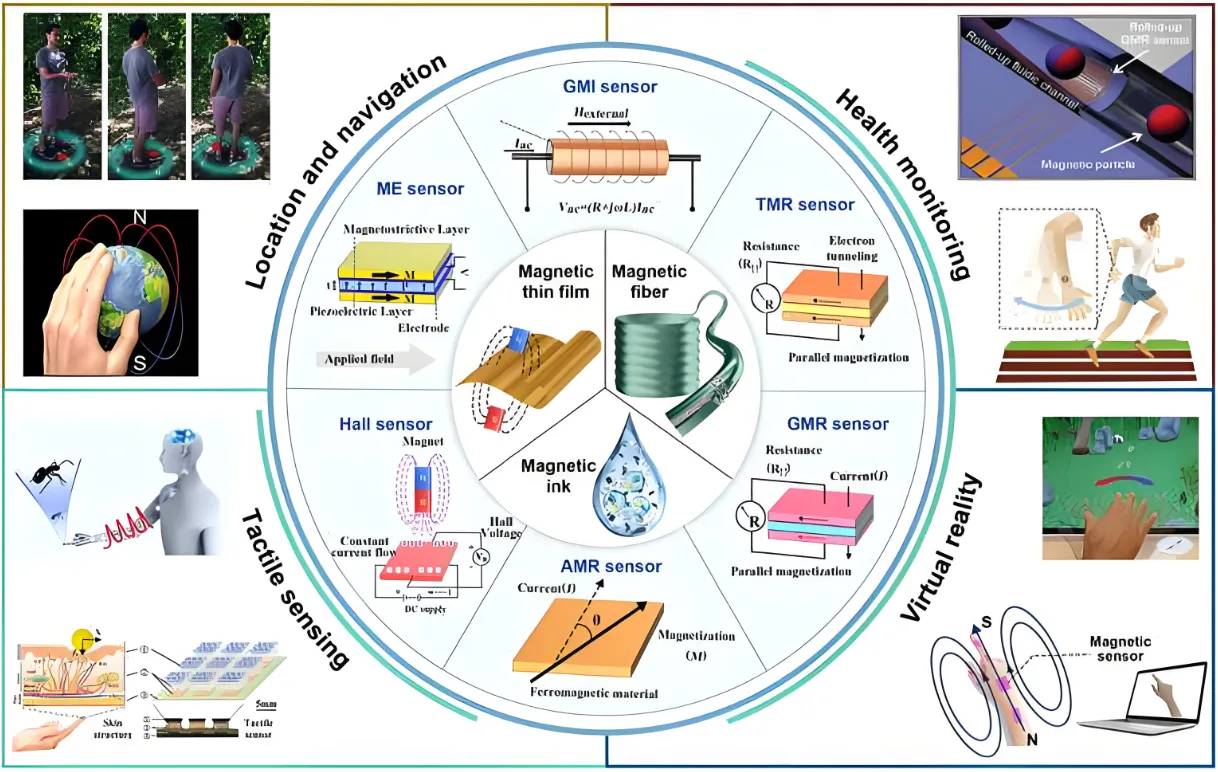
Beyond material selection, there are other design strategies to further enhance battery life in wearable health monitors. Combining these with the right low power PCB materials can yield impressive results.
1. Minimize Trace Lengths and Resistance
Shorter trace lengths reduce electrical resistance, lowering power loss. Design compact layouts to keep traces as short as possible while maintaining signal integrity. Using materials with lower resistance properties also helps.
2. Use Low-Power Components
Pair your PCB material with energy-efficient components, such as low-power microcontrollers and sensors. Even the best material can’t compensate for power-hungry hardware.
3. Optimize Power Management Circuits
Incorporate efficient power management ICs (integrated circuits) to regulate voltage and current. These circuits can dynamically adjust power usage based on the device’s activity, preserving battery life.
4. Reduce Signal Noise
Signal noise can cause components to work harder, consuming more power. Choose PCB materials with good signal integrity and low noise characteristics to maintain efficiency.
Conclusion: Make Informed Choices for Longer Battery Life
The choice of PCB material plays a pivotal role in determining the battery life of wearable health monitors. By focusing on low power PCB materials and understanding factors like dielectric constant, dissipation factor, and thermal conductivity, engineers can significantly reduce wearable PCB power consumption. When comparing FR4 vs Polyimide wearable options, Polyimide often emerges as the better choice for power efficiency and flexibility, though FR4 remains a cost-effective alternative for less demanding applications. Following a structured approach to choosing PCB laminate for wearables ensures that your design aligns with both performance and budget goals.
At ALLPCB, we’re committed to supporting engineers in creating innovative, power-efficient wearable devices. By selecting the right materials and optimizing your PCB design, you can deliver health monitors that users rely on for days or even weeks without needing a recharge. Prioritize optimizing battery life PCB designs, and you’ll stand out in the competitive wearable market with devices that truly meet user needs.