ALLPCB


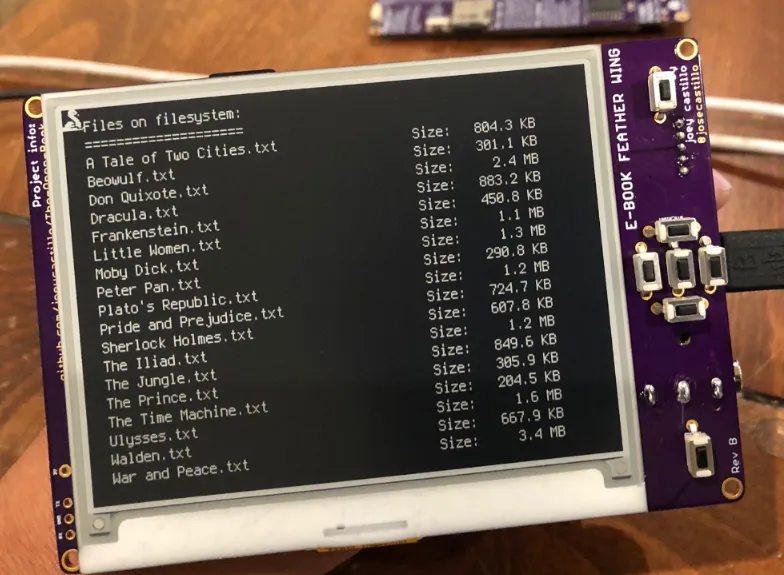
When it comes to designing an E-Reader, the choice of PCB material plays a critical role in determining performance, durability, and user experience. Two popular options in the industry are FR-4 PCBs and flexible PCBs, each with unique strengths and weaknesses. So, which is better for E-Reader PCB material selection? FR-4 is the go-to choice for its cost-effectiveness, thermal stability, and reliability in standard applications, making it ideal for most E-Reader designs. On the other hand, flexible PCBs shine in compact, lightweight devices where space and flexibility are priorities, though they come at a higher cost.
In this comprehensive guide, we’ll dive deep into the impact of PCB materials on E-Reader performance. We’ll compare FR-4 PCB E-Reader designs with flexible PCB E-Reader solutions, focusing on thermal management, high-frequency performance, and overall suitability. Whether you’re an engineer or a product designer, this article will help you make an informed decision for your next project.
Why PCB Material Matters in E-Reader Design
E-Readers are compact electronic devices that rely heavily on printed circuit boards (PCBs) to house critical components like processors, memory, display drivers, and power management systems. The PCB material directly affects signal integrity, heat dissipation, durability, and even the device’s weight and thickness. Choosing the right material ensures the E-Reader performs reliably under various conditions, from everyday use to long-term storage.
Two key materials often considered are FR-4 and flexible PCBs. FR-4, a rigid glass-reinforced epoxy laminate, is widely used due to its affordability and versatility. Flexible PCBs, made from materials like polyimide, offer adaptability in tight spaces and lightweight designs. Let’s explore how these materials impact key aspects of E-Reader performance, including thermal management and high-frequency capabilities.
FR-4 PCB E-Reader Applications: Strengths and Limitations
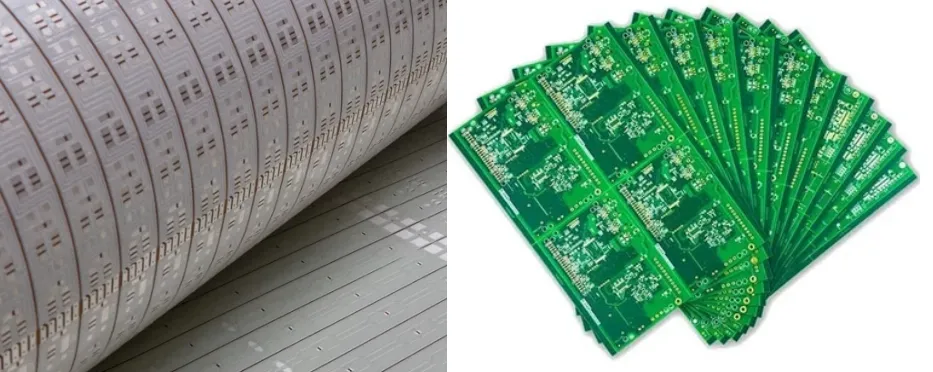
FR-4 is the most common PCB material in the electronics industry, and for good reason. It’s a cost-effective, rigid material made from woven fiberglass cloth and epoxy resin, offering a strong foundation for E-Reader designs. Here’s how FR-4 impacts E-Reader performance:
Strengths of FR-4 in E-Readers
- Cost-Effectiveness: FR-4 is significantly cheaper than specialized materials, making it a budget-friendly choice for mass-produced E-Readers. This can reduce overall production costs without sacrificing quality.
- Thermal Stability: FR-4 has a good operating temperature range, typically between -40°C to 130°C, which is suitable for E-Reader PCB thermal management under normal usage conditions. Its thermal conductivity, around 0.3 W/m·K, helps dissipate heat from components like processors.
- Mechanical Strength: The rigid nature of FR-4 provides structural stability, protecting internal components from physical stress or accidental drops—a common concern for portable devices like E-Readers.
- Wide Availability: FR-4 is a standard material supported by most PCB manufacturing processes, ensuring quick prototyping and production timelines.
Limitations of FR-4 in E-Readers
- Weight and Thickness: FR-4 boards are heavier and thicker compared to flexible alternatives, which can be a drawback for ultra-thin E-Reader designs aiming for portability.
- Limited Flexibility: Being rigid, FR-4 cannot bend or conform to unique shapes, restricting design options in compact or curved E-Reader models.
- High-Frequency Performance: For high-frequency PCB E-Reader applications, FR-4 may not be ideal. Its dielectric constant (Dk) of around 4.5 can lead to signal loss at frequencies above 1 GHz, though this is less of a concern for most E-Readers, which typically operate at lower frequencies.
FR-4 is a reliable choice for standard E-Reader designs where cost and durability are priorities. However, for cutting-edge models requiring lightweight builds or complex shapes, it may fall short.
Flexible PCB E-Reader Applications: Advantages and Challenges
Flexible PCBs are made from thin, bendable materials like polyimide, allowing them to fit into tight spaces and adapt to unique designs. They are increasingly popular in modern electronics, including E-Readers. Let’s break down their impact on performance:
Advantages of Flexible PCBs in E-Readers
- Lightweight and Thin: Flexible PCBs are much lighter and thinner than FR-4, making them perfect for sleek, portable E-Reader designs. This can reduce the overall weight of the device by up to 30%, enhancing user comfort.
- Design Flexibility: These PCBs can bend and fold, allowing engineers to create innovative E-Reader shapes or integrate circuits into curved or irregular spaces. This is especially useful for foldable or ultra-compact E-Readers.
- Improved Reliability: Flexible PCBs reduce the need for connectors and cables, minimizing points of failure. Fewer connections mean better reliability, especially in devices subjected to frequent handling.
- Space Efficiency: By conforming to the device’s shape, flexible PCBs save internal space, leaving room for larger batteries or additional features in E-Readers.
Challenges of Flexible PCBs in E-Readers
- Higher Cost: Flexible PCBs are more expensive to manufacture due to specialized materials and processes. Production costs can be 2-3 times higher than FR-4, impacting the final price of the E-Reader.
- Thermal Management Concerns: Flexible materials like polyimide have lower thermal conductivity (around 0.2 W/m·K) compared to FR-4. This can pose challenges for E-Reader PCB thermal management, especially in high-performance models with heat-generating components.
- Durability Issues: While flexible, these PCBs are more prone to wear and tear over time, especially if bent repeatedly. This could affect the long-term reliability of the E-Reader.
Flexible PCB E-Reader designs are ideal for innovative, lightweight products where space is at a premium. However, their cost and thermal limitations may deter some manufacturers from adopting them for mainstream devices.
E-Reader PCB Thermal Management: FR-4 vs. Flexible PCBs
Thermal management is a critical factor in E-Reader performance. These devices often run for hours, generating heat from processors, displays, and batteries. Poor heat dissipation can lead to performance throttling, component damage, or user discomfort. Let’s compare how FR-4 and flexible PCBs handle thermal challenges.
FR-4 Thermal Performance
FR-4 offers better thermal conductivity than most flexible materials, making it more effective at dissipating heat. Its rigid structure also allows for the easy integration of thermal vias—small holes filled with conductive material that transfer heat away from hot components. For an E-Reader with a power consumption of around 2-5 watts, FR-4 can maintain safe operating temperatures under typical conditions. Additionally, FR-4’s higher glass transition temperature (Tg) of 130-180°C ensures it remains stable even if the device overheats temporarily.
Flexible PCB Thermal Performance
Flexible PCBs, on the other hand, struggle with heat dissipation due to their lower thermal conductivity. Polyimide, a common flexible material, has a conductivity of about 0.2 W/m·K, meaning heat tends to stay trapped near components. This can be problematic for high-performance E-Readers that push processing limits. Engineers often need to incorporate additional cooling solutions, like heat sinks or thermal pads, which can increase design complexity and cost.
For E-Reader PCB thermal management, FR-4 generally provides a more straightforward and effective solution. However, with careful design and added thermal solutions, flexible PCBs can still meet the needs of compact devices.
High-Frequency PCB E-Reader Performance: Material Considerations
While E-Readers are not typically high-frequency devices like smartphones or RF equipment, some models include wireless features such as Wi-Fi or Bluetooth, which operate at frequencies between 2.4 GHz and 5 GHz. The PCB material can impact signal integrity at these frequencies, though the effect is often minimal in E-Reader applications.
FR-4 in High-Frequency Applications
FR-4 has a dielectric constant (Dk) of approximately 4.2-4.5 and a dissipation factor (Df) of 0.02 at 1 MHz, which can lead to signal loss at higher frequencies. However, for E-Reader applications where high-frequency signals are limited to short-range wireless communication, FR-4 is usually sufficient. Most E-Readers don’t require the ultra-low signal loss needed in advanced RF designs, so FR-4’s limitations are rarely a concern.
Flexible PCBs in High-Frequency Applications
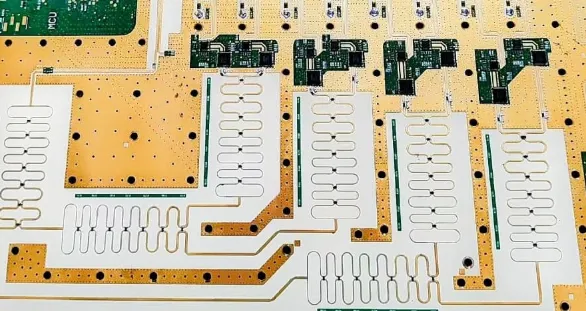
Flexible materials like polyimide often have a slightly lower Dk (around 3.5) and better high-frequency performance compared to FR-4. This makes them a viable option for E-Readers with wireless capabilities. However, the cost of using flexible PCBs for marginal high-frequency gains is often not justified in E-Reader designs, where signal demands are relatively low.
For high-frequency PCB E-Reader needs, both materials can work, but FR-4 remains the practical choice due to its lower cost and adequate performance for typical wireless features.
Key Factors in E-Reader PCB Material Selection
Choosing between FR-4 and flexible PCBs for an E-Reader involves weighing several factors based on the device’s intended use, target market, and budget. Here are the main considerations:
- Cost vs. Performance: If budget is a primary concern, FR-4 is the clear winner. For premium E-Readers with unique designs, flexible PCBs may justify the added expense.
- Device Size and Weight: For ultra-thin or lightweight E-Readers, flexible PCBs offer a significant advantage. FR-4 is better suited for larger, more robust devices.
- Thermal Demands: High-performance E-Readers with intensive processing needs benefit from FR-4’s superior thermal management. Flexible PCBs may require additional cooling solutions.
- Design Complexity: If the E-Reader design involves curved or irregular shapes, flexible PCBs are the only practical option. Standard designs can rely on FR-4.
Practical Examples: FR-4 and Flexible PCBs in E-Reader Models
To illustrate the real-world impact of PCB material selection, consider two hypothetical E-Reader designs. A budget-friendly model targeting casual readers might use an FR-4 PCB to keep costs low while ensuring durability and adequate thermal performance. This device, weighing around 200 grams, can handle basic reading and Wi-Fi connectivity without issues.
In contrast, a premium foldable E-Reader designed for portability might opt for a flexible PCB to fit into a compact, lightweight frame weighing just 150 grams. While the cost increases, the unique design appeals to tech-savvy users looking for cutting-edge features.
These examples highlight how E-Reader PCB material selection depends on the specific goals of the product, from cost savings to innovative design.
Conclusion: Choosing the Right PCB Material for Your E-Reader
The choice between FR-4 and flexible PCBs for E-Reader design ultimately comes down to balancing cost, performance, and design requirements. FR-4 PCB E-Reader solutions offer affordability, thermal stability, and reliability, making them the default choice for most standard devices. Flexible PCB E-Reader designs, while more expensive, provide unmatched design freedom and space efficiency, ideal for innovative or compact models.
For engineers and designers, understanding the trade-offs in E-Reader PCB thermal management and high-frequency performance is essential. By carefully evaluating the needs of your project, you can select the material that best aligns with your goals, ensuring a high-performing, user-friendly E-Reader. Whether you prioritize durability with FR-4 or innovation with flexible PCBs, the right choice will elevate your device in a competitive market.