ALLPCB


Choosing the right antenna for pet tracking PCBs is critical to ensuring reliable performance and extended range for pet trackers. Whether you're designing a device with GPS for precise location tracking or LoRa for long-range communication, the antenna plays a pivotal role in signal strength and accuracy. In this comprehensive guide, we’ll explore the key factors in pet tracking PCB antenna selection, including GPS antenna for pet tracker designs, LoRa antenna for pet tracking, optimizing antenna range for pet tracker applications, and the debate of ceramic antenna vs PCB antenna. Let’s dive into how you can maximize range and reliability for your pet tracking solutions.
Why Antenna Selection Matters for Pet Tracking PCBs
Pet trackers are essential tools for pet owners who want to ensure their furry friends are safe. These devices rely on wireless communication technologies like GPS and LoRa to transmit location data over long distances. However, the effectiveness of these technologies heavily depends on the antenna integrated into the PCB design. A poorly chosen antenna can result in weak signals, dropped connections, or inaccurate location data, leaving pets vulnerable.
The antenna acts as the bridge between the pet tracker and the communication network. It must be capable of receiving and transmitting signals efficiently, even in challenging environments like urban areas with tall buildings or rural areas with limited network coverage. Factors such as size, frequency compatibility, and environmental durability all come into play when selecting the right antenna for a pet tracking PCB. In the sections below, we’ll break down the key considerations to help you make an informed decision.
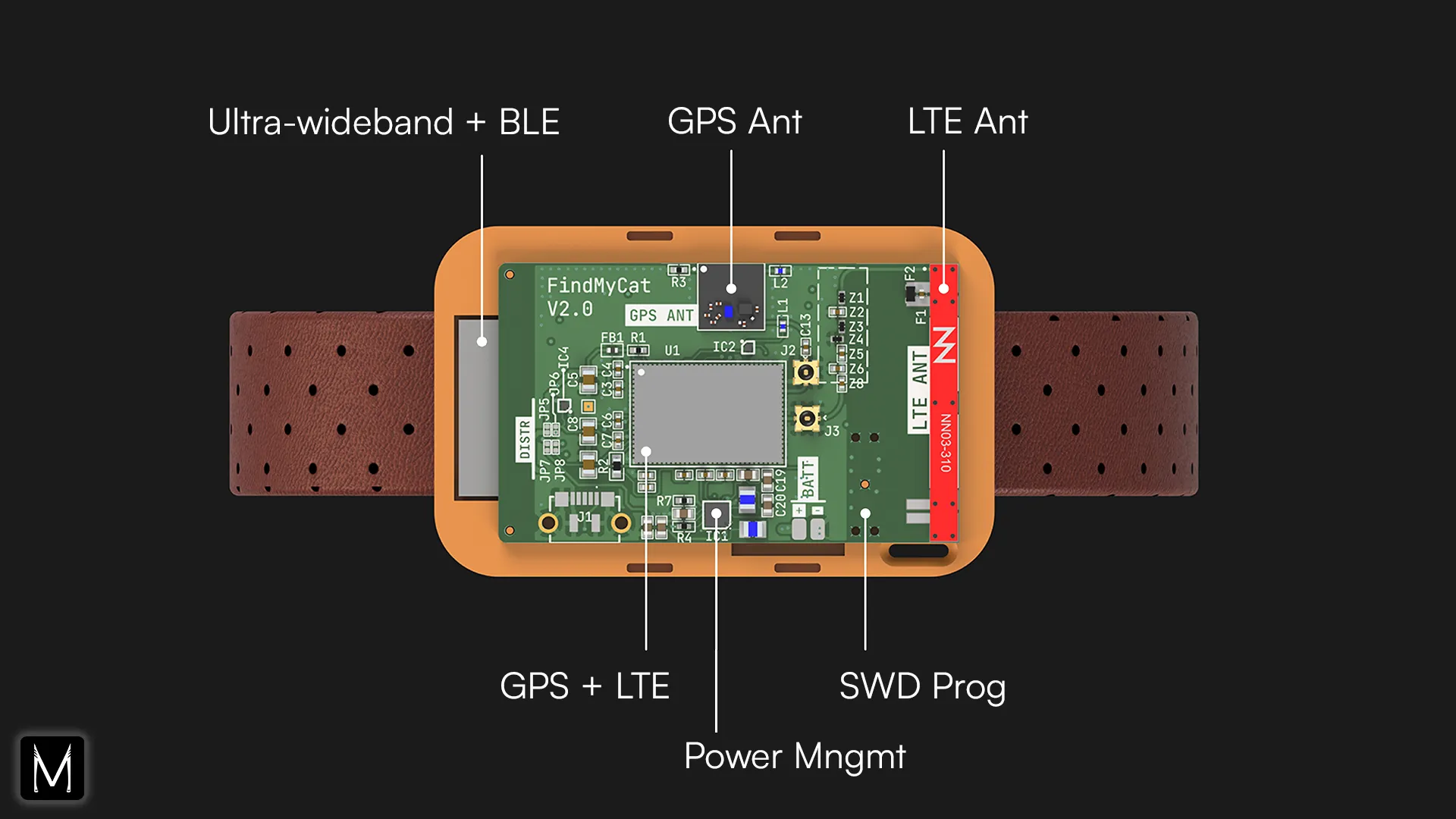
Key Factors in Pet Tracking PCB Antenna Selection
When designing a pet tracker, selecting the right antenna involves balancing several technical and practical factors. Here are the most important aspects to consider for optimal performance:
1. Frequency Compatibility
Pet trackers often use multiple communication technologies, each operating at different frequency bands. For instance, GPS typically operates at 1.575 GHz (L1 band) for civilian use, while LoRa operates in sub-GHz bands like 868 MHz (Europe) or 915 MHz (North America). The antenna you choose must support the specific frequency bands required by your pet tracker’s communication modules. A mismatch in frequency can lead to signal loss and poor performance.
For multi-technology trackers that use both GPS and LoRa, consider dual-band or wideband antennas that can handle multiple frequency ranges. This ensures seamless operation across different systems without the need for multiple antennas, saving space on the PCB.
2. Size and Form Factor
Pet trackers need to be small and lightweight to avoid discomfort for the animal. This constraint limits the size of the PCB and, consequently, the antenna. Smaller antennas, while convenient, often have reduced gain and efficiency compared to larger ones. Therefore, the antenna design must strike a balance between compactness and performance.
Common antenna types for compact pet trackers include patch antennas and chip antennas, which can be integrated directly onto the PCB. These are ideal for space-constrained designs but require careful tuning to maintain signal strength.
3. Range and Signal Strength
The antenna range for pet tracker applications is a critical factor. GPS antennas need to maintain a strong connection with satellites, even in areas with obstructed views of the sky. LoRa antennas, on the other hand, must support long-range communication, often up to 10-15 kilometers in open environments, making them suitable for rural pet tracking.
To maximize range, consider the antenna’s gain, which is measured in decibels (dB). Higher gain antennas focus energy in a specific direction, improving signal strength over longer distances. However, high-gain antennas may be larger and less omnidirectional, which can be a drawback if the pet’s movement is unpredictable.
4. Environmental Durability
Pets roam in diverse environments, from rainy parks to dusty trails. The antenna and the overall PCB design must withstand moisture, temperature fluctuations, and physical shocks. Encapsulated or ruggedized antennas can offer better protection against environmental factors, ensuring consistent performance over time.
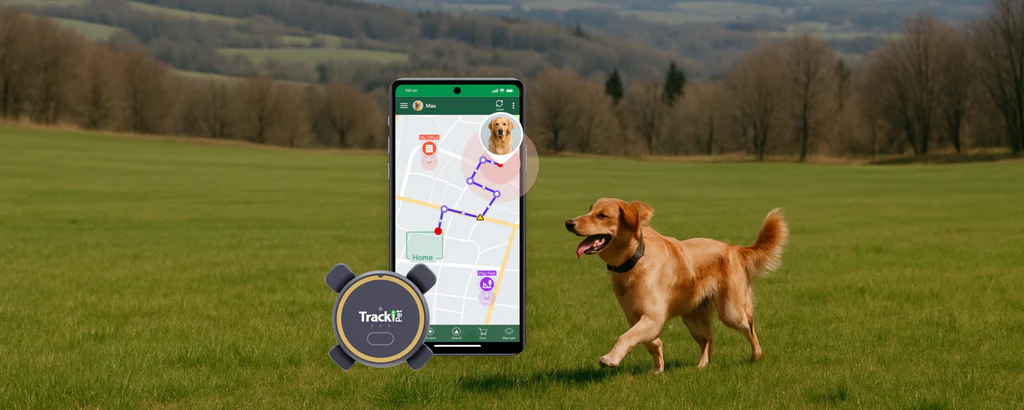
GPS Antenna for Pet Tracker: Precision and Reliability
A GPS antenna for pet tracker designs is essential for accurate real-time location tracking. GPS antennas receive signals from satellites to pinpoint the pet’s position, often with an accuracy of 2-5 meters under ideal conditions. However, their performance can degrade in urban canyons or dense forests where satellite signals are obstructed.
Types of GPS Antennas
There are several types of GPS antennas suitable for pet trackers, each with its own advantages:
- Patch Antennas: These are flat, compact antennas often used in small devices. They offer good performance for their size but require a clear view of the sky for optimal satellite reception. Typical gain values range from 2 to 5 dBi.
- Helical Antennas: These are more robust against signal interference and can work in varied orientations. They’re slightly larger but provide better performance in challenging environments.
- Chip Antennas: Extremely small and integrated directly onto the PCB, chip antennas are ideal for ultra-compact pet trackers. However, their gain is often lower, around 0 to 2 dBi, which may limit range.
Optimizing GPS Antenna Performance
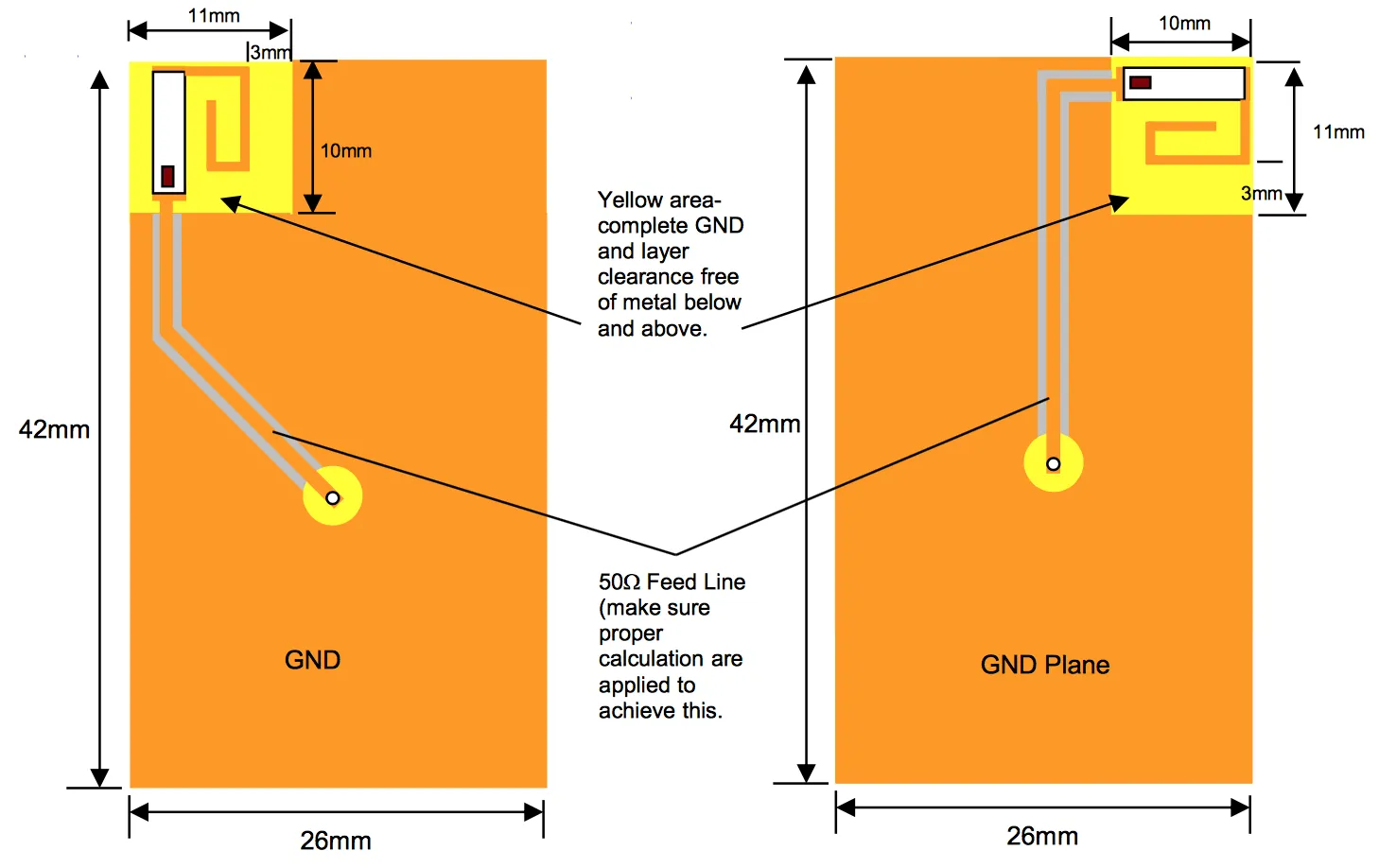
To ensure reliable GPS tracking, place the antenna on the top side of the PCB with minimal obstructions from other components. Additionally, use a ground plane beneath the antenna to improve signal reception. A ground plane of at least 40x40 mm is recommended for most patch antennas operating at 1.575 GHz. Tuning the antenna to match the impedance of the GPS module (typically 50 ohms) is also crucial to minimize signal loss.
LoRa Antenna for Pet Tracking: Long-Range Communication
For pet trackers that need to operate over vast distances, a LoRa antenna for pet tracking is an excellent choice. LoRa (Long Range) technology enables low-power, long-range communication, making it perfect for rural areas or regions with limited cellular coverage. LoRa can achieve ranges of up to 15 km in open fields with a data rate of around 0.3 to 50 kbps, depending on the settings.
Choosing a LoRa Antenna
LoRa operates in sub-GHz frequency bands, so the antenna must be tuned to the specific regional frequency (e.g., 868 MHz in Europe). Common LoRa antenna types include:
- Monopole Antennas: These are simple, cost-effective antennas with omnidirectional coverage. They’re suitable for pet trackers as they provide consistent performance regardless of the device’s orientation.
- PCB Trace Antennas: These are integrated into the PCB layout, saving space and reducing costs. However, their range is often shorter compared to external antennas, with typical gains of 0 to 2 dBi.
- External Antennas: For maximum range, an external whip antenna with a gain of 3 to 5 dBi can be used. These are larger but offer superior performance in remote areas.
Enhancing LoRa Range
To boost the antenna range for pet tracker devices using LoRa, ensure proper antenna tuning and placement. Avoid placing the antenna near metal objects or other components that could cause interference. If using a PCB trace antenna, design the trace length to match the wavelength of the LoRa frequency (e.g., a quarter-wave length for 868 MHz is approximately 86 mm).
Ceramic Antenna vs PCB Antenna: Which Is Better for Pet Trackers?
The debate of ceramic antenna vs PCB antenna is a common one in pet tracking PCB design. Both types have distinct advantages and trade-offs, so the choice depends on your specific needs for size, cost, and performance.
Ceramic Antennas
Ceramic antennas, often referred to as chip antennas, are small, surface-mount components made from ceramic materials with high dielectric constants. Their key benefits include:
- Compact Size: Ceramic antennas are tiny, often just a few millimeters in size, making them ideal for small pet trackers.
- Cost-Effective: They are generally affordable and easy to integrate into PCB designs.
- Good for GPS: Many ceramic antennas are optimized for GPS frequencies like 1.575 GHz, with gains typically around 0 to 2 dBi.
However, ceramic antennas have lower efficiency and may struggle in environments with high interference or obstructions.
PCB Antennas
PCB antennas, also known as trace antennas, are patterns etched directly onto the PCB. Their advantages include:
- Customizable: PCB antennas can be designed to match specific frequencies and form factors, offering flexibility for pet tracker designs.
- Low Cost: Since they’re part of the PCB layout, there’s no additional component cost.
- Decent Performance: With proper design, PCB antennas can achieve gains of 0 to 3 dBi, suitable for both GPS and LoRa applications.
The downside is that PCB antennas require precise design and tuning to avoid signal loss, and they’re more susceptible to interference from nearby components.
Which to Choose?
For ultra-compact pet trackers prioritizing GPS accuracy, a ceramic antenna is often the better choice due to its small size and ease of integration. For designs where cost and customization are key, especially with LoRa for long-range tracking, a PCB antenna may be more suitable. Ultimately, testing both options in your specific application will help determine the best fit.
Practical Tips for Maximizing Antenna Range and Reliability
Beyond selecting the right antenna type, there are several design and implementation strategies to enhance performance in pet tracking PCBs:
- Impedance Matching: Ensure the antenna’s impedance matches the RF module (typically 50 ohms) to minimize signal reflection and loss. Use tools like a network analyzer during testing to fine-tune the match.
- Ground Plane Design: A well-designed ground plane beneath the antenna can significantly boost signal strength. For GPS patch antennas, a ground plane of 50x50 mm or larger can improve satellite reception.
- Avoid Interference: Keep the antenna away from noise sources like power lines or other high-frequency components on the PCB. Use shielding if necessary.
- Testing in Real Environments: Simulate real-world conditions, such as urban and rural settings, to evaluate antenna performance. Adjust the design based on test data to optimize range and reliability.
Conclusion: Building Better Pet Trackers with the Right Antenna
Antenna selection is a cornerstone of effective pet tracking PCB design. By carefully considering factors like frequency compatibility, size, range, and environmental durability, you can create a pet tracker that offers both precision and reliability. Whether you’re focusing on a GPS antenna for pet tracker accuracy, a LoRa antenna for pet tracking over long distances, or debating ceramic antenna vs PCB antenna, the right choice will significantly impact your device’s performance.
At ALLPCB, we’re committed to supporting your pet tracking projects with high-quality PCB manufacturing and assembly services tailored to your needs. By applying the insights from this guide, you can design pet trackers that maximize antenna range for pet tracker applications and ensure peace of mind for pet owners everywhere. Let’s build innovative solutions together to keep pets safe and connected.