ALLPCB


When it comes to adding legends—those crucial text and markings on printed circuit boards (PCBs) that identify components and connections—choosing the right printing method is vital. The two most common techniques are inkjet printing and screen printing. But which one is better for your project? In short, inkjet printing offers high-resolution and flexibility for small runs, making it ideal for prototypes, while screen printing is more cost-effective for large-scale production despite its setup complexity.
What Is PCB Legend Printing and Why Does It Matter?
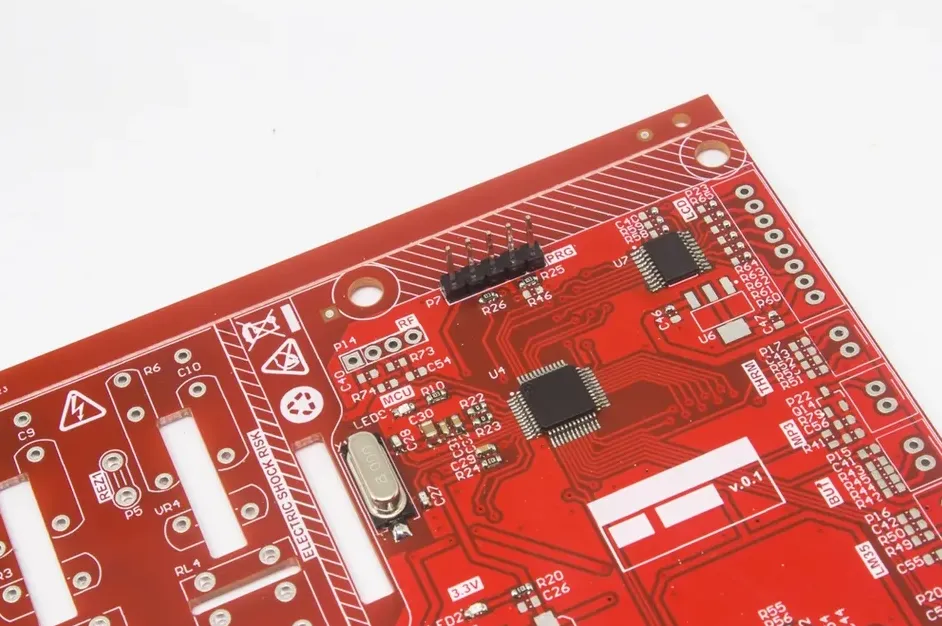
PCB legend printing, often referred to as silkscreen printing in a broader sense, involves adding text, symbols, and markings to a PCB. These markings serve as a guide for assembly, testing, and troubleshooting by indicating component placement, polarity, and other critical information. A clear and durable legend is essential for ensuring that a PCB functions as intended and can be easily maintained.
The method you choose for printing these legends impacts not only the clarity and precision of the markings but also the cost, production time, and suitability for your specific project. Whether you're working on a prototype or mass production, understanding the strengths and weaknesses of inkjet and screen printing is key to optimizing your PCB manufacturing process.
Understanding the Two Main PCB Legend Printing Methods
Before diving into the comparison, let’s define the two primary methods used for PCB legend printing.
Inkjet Printing for PCB Legends
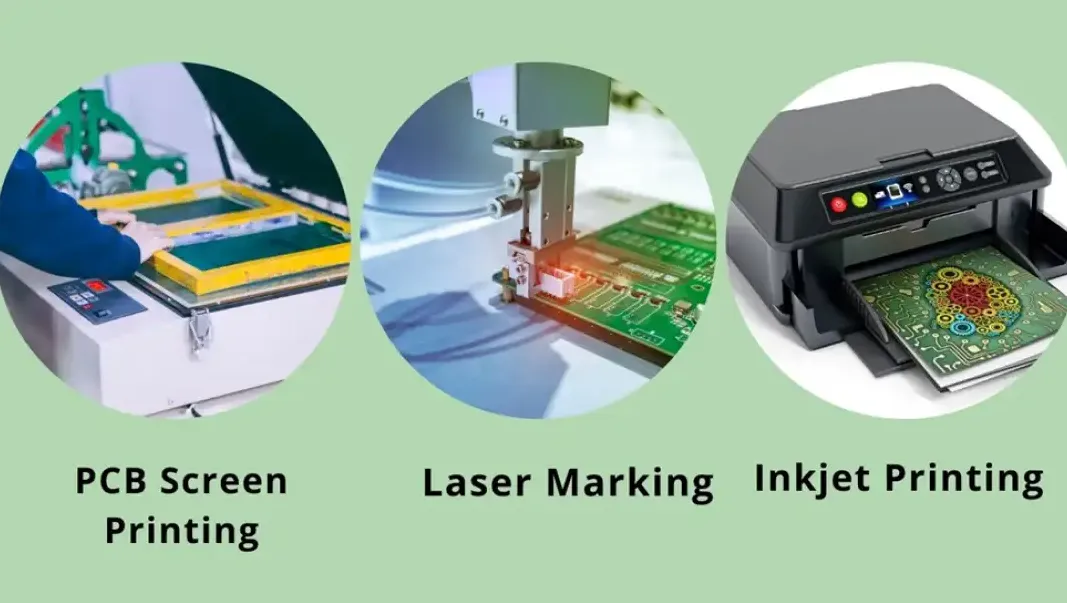
Inkjet printing is a digital printing technique that uses specialized printers to deposit ink directly onto the PCB surface. This method is similar to how a standard office printer works but is adapted for the precision and materials required in PCB manufacturing. Inkjet printing is often referred to as direct legend printing because it doesn’t require stencils or additional setup beyond the digital design file.
Screen Printing for PCB Legends
Screen printing, on the other hand, is a traditional method that uses a mesh screen or stencil to transfer ink onto the PCB. A separate screen is created for each design, and ink is pushed through the mesh onto the board. This technique has been a staple in PCB manufacturing for decades due to its reliability in high-volume production.
PCB Legend Inkjet Printing Advantages
Inkjet printing has gained popularity in recent years, especially for smaller production runs and prototyping. Here are some of the key benefits that make it stand out:
- High-Resolution Output: Inkjet printing excels in high-resolution PCB legend printing. It can produce fine details and small text (down to 0.6mm in height) with sharp clarity, which is crucial for complex designs or densely populated boards.
- Flexibility for Small Batches: Since there’s no need for stencils or setup, inkjet printing is ideal for prototypes or low-volume runs. You can print a single board or make quick design changes without incurring extra costs.
- Quick Turnaround: With no setup time for creating screens, inkjet printing allows for faster production, often reducing lead times by 20-30% compared to screen printing for small orders.
- Customization: Digital printing means you can easily tweak designs or add unique markings for each board without additional preparation, making it perfect for custom projects.
- Reduced Waste: Inkjet printing uses only the amount of ink needed, minimizing material waste compared to screen printing, where excess ink can be lost during setup.
Disadvantages of Inkjet Printing for PCB Legends
While inkjet printing offers significant advantages, it’s not without its drawbacks:
- Higher Cost Per Unit for Large Runs: The cost of specialized inks and equipment makes inkjet printing less economical for high-volume production. Costs can be 15-25% higher per board compared to screen printing in bulk.
- Durability Concerns: Inkjet-printed legends may not be as resistant to harsh chemicals or abrasion as screen-printed ones, potentially fading over time in demanding environments.
- Limited Ink Options: The range of inks compatible with inkjet printers is narrower, which might restrict color choices or special properties like UV resistance.
Advantages of Screen Printing for PCB Legends
Screen printing remains the go-to method for many manufacturers, especially for large-scale production. Here’s why it’s still widely used:
- Cost-Effective for High Volumes: When it comes to cost-effective PCB legend printing, screen printing shines in mass production. Once the initial stencil is created, the cost per unit drops significantly, often by 30-40% compared to inkjet for batches over 1,000 units.
- Durability: Screen-printed legends are typically more robust, withstanding harsh conditions like high temperatures, chemicals, and physical wear better than inkjet-printed markings.
- Versatility in Ink Types: This method supports a wider range of inks, including epoxy-based options that offer superior adhesion and longevity on PCB surfaces.
PCB Legend Screen Printing Disadvantages
Despite its strengths, screen printing has limitations that may not suit every project. Here are the key PCB legend screen printing disadvantages:
- High Setup Costs: Creating a stencil for each design is time-consuming and expensive, making screen printing less viable for small runs or prototypes. Setup costs can range from $50 to $200 per design, depending on complexity.
- Lower Resolution: Screen printing struggles with fine details and small text, often limited to text sizes above 1mm in height. This can be a problem for intricate or compact PCB layouts.
- Longer Lead Times for Small Batches: The setup process adds time to production, increasing turnaround by 1-2 days compared to inkjet printing for smaller orders.
- Less Flexibility: Any design change requires a new stencil, adding cost and delay. This rigidity makes screen printing less suitable for iterative prototyping.
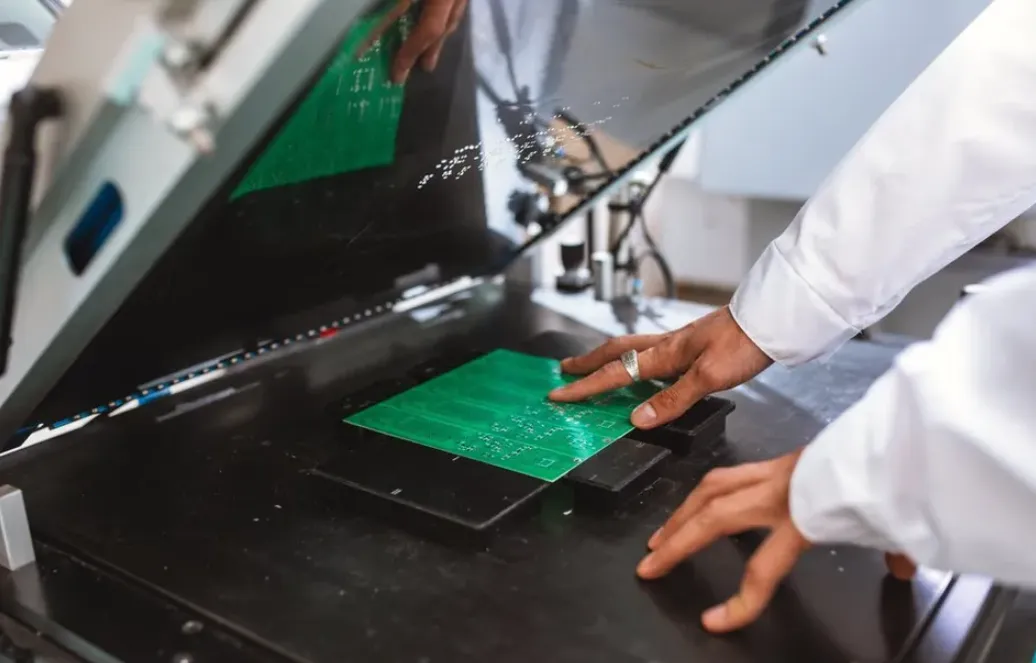
Direct Legend Printing vs Screen Printing: A Head-to-Head Comparison
Now that we’ve covered the individual pros and cons, let’s compare direct legend printing vs screen printing across key factors to help you decide which method suits your needs.
| Factor | Inkjet Printing (Direct) | Screen Printing |
|---|---|---|
| Resolution | Excellent (supports text down to 0.6mm) | Moderate (best for text above 1mm) |
| Cost for Small Runs | More affordable (no setup fees) | Expensive (high setup costs) |
| Cost for Large Runs | Higher per unit | Lower per unit |
| Turnaround Time | Faster for small batches | Slower due to setup |
| Durability | Moderate (less resistant to wear) | High (better for harsh conditions) |
| Design Flexibility | High (easy to modify designs) | Low (requires new stencil per change) |
This table highlights that inkjet printing is often the better choice for small-scale or prototype projects requiring high-resolution PCB legend printing, while screen printing is more cost-effective PCB legend printing for large-scale manufacturing.
Which Method Should You Choose for Your PCB Project?
Choosing between inkjet and screen printing depends on several factors specific to your project. Here are some scenarios to guide your decision:
- Prototyping or Small Runs (1-100 units): Go with inkjet printing. Its flexibility, quick turnaround, and lack of setup costs make it ideal for testing designs or producing limited batches. The ability to achieve high-resolution PCB legend printing also ensures clarity on detailed boards.
- Mass Production (1,000+ units): Opt for screen printing. Despite the initial setup cost, it offers cost-effective PCB legend printing over large volumes, and the durability of the markings is better suited for end-use products.
- Complex Designs with Fine Text: If your PCB requires tiny markings or intricate symbols, inkjet printing is the way to go due to its superior resolution capabilities.
- Harsh Operating Environments: For PCBs exposed to extreme conditions, screen printing provides more durable legends that resist wear and chemical exposure.
Cost Considerations for PCB Legend Printing
Cost is often a deciding factor in manufacturing decisions. Let’s break down the financial aspects of both methods:
- Inkjet Printing Costs: While there are no setup fees, the per-unit cost can range from $0.50 to $1.50 per board, depending on the ink and equipment used. This makes it less competitive for runs exceeding 500 units.
- Screen Printing Costs: Setup fees can be significant, often between $50 and $200 per design. However, the per-unit cost drops to as low as $0.10 to $0.30 for large orders, making it a cost-effective PCB legend printing solution for bulk production.
For a run of 100 boards, inkjet might cost around $100 total, while screen printing could be closer to $250 due to setup fees. However, for 5,000 boards, screen printing could save thousands compared to inkjet, with total costs around $1,500 versus $5,000 or more for inkjet.
Tips for Optimizing Your PCB Legend Printing Process
Regardless of the method you choose, here are some practical tips to ensure the best results:
- Design with Clarity in Mind: Use legible fonts and appropriate text sizes (at least 0.8mm for inkjet and 1.2mm for screen printing) to avoid readability issues.
- Choose the Right Ink: For inkjet, select inks with good adhesion properties. For screen printing, consider epoxy inks for added durability.
- Test Before Full Production: Especially with inkjet, run a small batch to check for ink adhesion and clarity under your specific operating conditions.
- Plan for Volume: Estimate your production quantities early to decide between the upfront costs of screen printing and the per-unit costs of inkjet.
Emerging Trends in PCB Legend Printing
The PCB industry is constantly evolving, and legend printing is no exception. One emerging trend is the use of advanced inkjet technologies that improve ink durability, closing the gap with screen printing. Additionally, hybrid approaches—using inkjet for prototypes and screen printing for production—are becoming more common to balance cost and flexibility.
Another development is the integration of automated systems for both methods, reducing human error and improving consistency. Staying updated on these advancements can help you adopt the most efficient and cost-effective solutions for your projects.
Conclusion: Making the Right Choice for Your PCB Legend Printing
Deciding between inkjet and screen printing for PCB legends comes down to your project’s specific needs. If you prioritize high-resolution PCB legend printing and quick turnaround for small runs, inkjet printing offers unmatched flexibility and detail. However, for large-scale production where cost-effective PCB legend printing and durability are key, screen printing remains the industry standard despite its PCB legend screen printing disadvantages like setup costs and lower resolution.
By understanding the strengths and limitations of each method, as well as evaluating factors like volume, budget, and design complexity, you can select the best approach for your PCB manufacturing process. Whether you lean toward the precision of direct legend printing vs screen printing or the economy of traditional methods, making an informed choice ensures your PCBs are both functional and reliable.