ALLPCB


In the world of electronics manufacturing, reducing costs without sacrificing quality is a top priority. For manufacturers using FR-4 PCBs, cost optimization can make a significant difference in profitability and competitiveness. This guide offers practical strategies for FR-4 PCB cost reduction, focusing on manufacturing, material selection, assembly, and prototyping. Whether you're looking to streamline production or cut expenses on prototypes, we’ll walk you through actionable steps to optimize FR-4 PCB manufacturing costs and boost efficiency.
In the sections below, we dive deep into FR-4 PCB material cost analysis, assembly cost drivers, and proven techniques to save money at every stage of the process. Let’s get started with a clear roadmap to lower expenses while maintaining high standards.
What Is FR-4 PCB and Why Does Cost Matter?
FR-4 is the most widely used material for printed circuit boards (PCBs) due to its affordability, durability, and versatility. Made from woven fiberglass cloth with an epoxy resin binder, FR-4 offers excellent electrical insulation and mechanical strength, making it ideal for a wide range of applications, from consumer electronics to industrial equipment. However, the cost of manufacturing FR-4 PCBs can add up quickly, especially in high-volume production or during prototyping phases.
Cost optimization for FR-4 PCBs is critical because even small savings per unit can translate into significant gains over large production runs. For instance, reducing costs by just 10% on a batch of 10,000 units could save thousands of dollars. With tight profit margins in the electronics industry, focusing on FR-4 PCB cost reduction strategies is a smart move for manufacturers aiming to stay competitive.
Key Factors Driving FR-4 PCB Costs
Before diving into cost-saving strategies, it’s important to understand the main factors that influence FR-4 PCB expenses. By identifying these cost drivers, manufacturers can target specific areas for optimization.
1. Material Costs
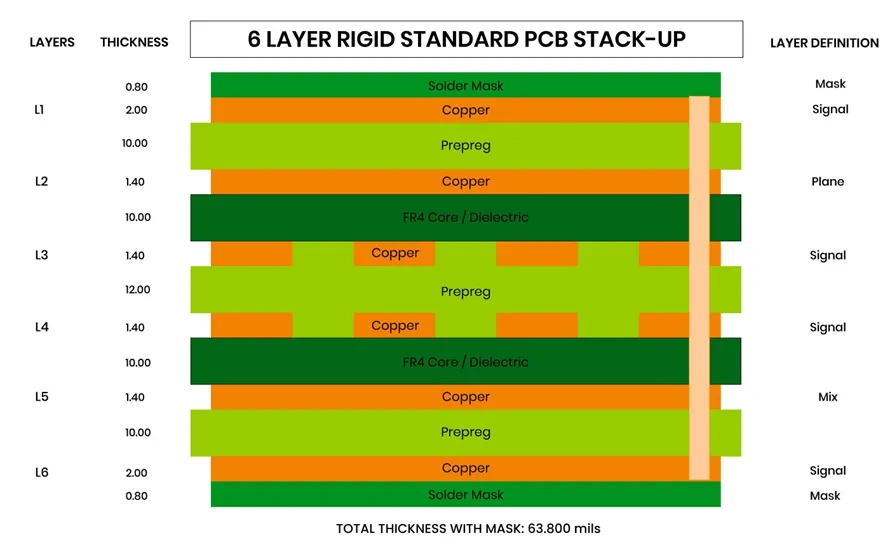
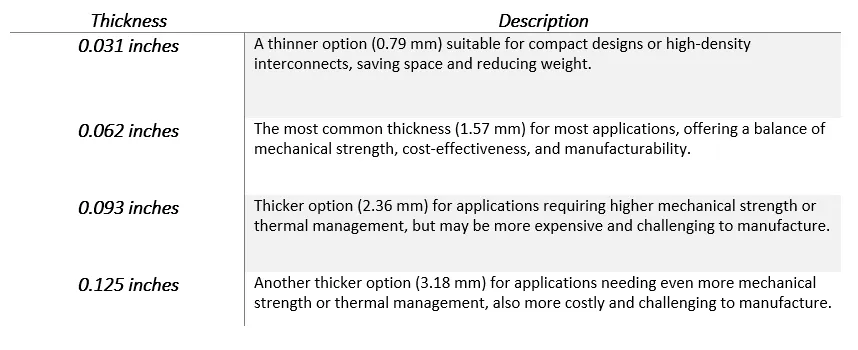
FR-4 itself is relatively inexpensive compared to high-frequency materials like Rogers or ceramics, but the quality and thickness of the material impact pricing. Standard FR-4 boards with a thickness of 1.6mm are typically the most cost-effective, while thicker boards or those with special flame-retardant properties can increase expenses by 15-20%.
2. Board Size and Layer Count
Larger boards and those with multiple layers require more material and processing time, driving up costs. For example, a 4-layer FR-4 PCB can cost 30-50% more than a 2-layer board due to additional lamination and drilling steps.
3. Manufacturing Complexity
Complex designs with tight tolerances, small vias, or high-density interconnects (HDI) increase manufacturing difficulty. This often leads to higher defect rates and longer production times, adding to the overall expense.
4. Assembly and Component Costs
FR-4 PCB assembly cost drivers include the type and number of components, soldering techniques, and testing requirements. Surface-mount technology (SMT) components, while efficient for automation, can be costly if not sourced strategically.
5. Prototyping Expenses
During the prototyping phase, costs can spike due to small batch sizes, frequent design iterations, and expedited production schedules. Reducing FR-4 PCB prototyping costs is often a priority for manufacturers developing new products.
FR-4 PCB Cost Reduction Strategies: A Step-by-Step Approach
Now that we’ve outlined the main cost drivers, let’s explore actionable strategies for optimizing FR-4 PCB manufacturing costs. These tips are designed to help manufacturers save money without compromising on quality or performance.
1. Optimize Design for Manufacturability (DFM)
One of the most effective ways to reduce FR-4 PCB costs is to design with manufacturability in mind. Simplifying your design can lower production complexity and minimize errors. Here are some specific DFM tips:
- Minimize Layer Count: Stick to the fewest layers necessary for your circuit. For example, if a 2-layer board can handle your design instead of a 4-layer, you could save up to 30% on material and processing costs.
- Standardize Board Size: Use standard panel sizes (like 18x24 inches) to maximize material utilization and reduce waste. Custom sizes often lead to higher costs due to inefficient panel layouts.
- Avoid Tight Tolerances: Relax trace widths and spacing where possible. For instance, using 6-mil traces instead of 4-mil can reduce manufacturing defects and lower costs by 10-15%.
By incorporating these design practices, you can significantly cut down on production expenses while ensuring your FR-4 PCB meets performance requirements.
2. Conduct FR-4 PCB Material Cost Analysis
Not all FR-4 materials are created equal. Conducting a thorough material cost analysis can help you select the most cost-effective options. Consider the following:
- Choose Standard Thickness: Opt for 1.6mm thickness, the industry standard, unless your application requires something different. Thicker boards (e.g., 2.0mm) can cost 20% more.
- Bulk Purchasing: Negotiate bulk discounts with suppliers for FR-4 laminates and copper foils. Buying in larger quantities can reduce per-unit costs by 5-10%.
- Evaluate Copper Weight: Use the minimum copper weight needed (e.g., 1 oz instead of 2 oz) to save on material costs without affecting signal integrity for most applications.
Balancing material quality with cost is key to long-term savings in FR-4 PCB manufacturing.
3. Streamline FR-4 PCB Assembly Processes
Assembly is often one of the largest cost drivers in PCB production. By focusing on efficiency during this stage, you can achieve significant savings. Here are some strategies to address FR-4 PCB assembly cost drivers:
- Use Standard Components: Select components with standard sizes and footprints to avoid custom or hard-to-source parts. For example, using widely available 0805 resistors instead of niche sizes can cut component costs by up to 20%.
- Automate Assembly: Invest in automated pick-and-place machines for high-volume runs. Automation reduces labor costs and improves precision, saving up to 15% on assembly expenses.
- Minimize Manual Testing: Implement automated optical inspection (AOI) and in-circuit testing (ICT) to reduce the need for manual quality checks, which can be time-consuming and costly.
Streamlining assembly not only lowers costs but also speeds up production, allowing for faster time-to-market.
4. Focus on Reducing FR-4 PCB Prototyping Costs
Prototyping can be expensive, especially when multiple iterations are needed. However, there are ways to keep costs under control during this phase:
- Digital Simulation: Use simulation software to test designs virtually before creating physical prototypes. This can reduce the number of iterations by 50% or more, saving both time and money.
- Small Batch Orders: Order the minimum number of prototypes needed for testing. For example, producing 5 units instead of 10 for initial validation can halve your prototyping costs.
- Iterate Efficiently: Group design changes into a single revision rather than ordering new prototypes for every small tweak. This approach can save 10-20% on prototyping expenses.
By adopting these practices, manufacturers can significantly reduce FR-4 PCB prototyping costs while still achieving reliable results.
5. Partner with the Right Manufacturing Service
Choosing a reliable manufacturing partner can make a big difference in optimizing FR-4 PCB manufacturing costs. Look for a provider that offers:
- Transparent Pricing: Clear cost breakdowns for materials, labor, and additional services help you identify savings opportunities.
- Volume Discounts: Many providers offer reduced rates for larger orders, which can lower per-unit costs by 10-15%.
- Technical Support: Access to design reviews and DFM feedback can prevent costly mistakes early in the process.
Building a strong relationship with your manufacturing partner ensures consistent quality and cost savings over time.
Balancing Cost and Quality in FR-4 PCB Production
While cost reduction is important, cutting corners can lead to quality issues that harm your reputation or result in product failures. Here are some tips to maintain a balance:
- Prioritize Signal Integrity: Ensure that cost-saving measures like reducing copper weight don’t compromise signal performance. For example, maintain at least 1 oz copper for power traces to handle currents up to 2A without overheating.
- Test Thoroughly: Even with automated testing, allocate resources for functional testing to catch issues that could lead to costly recalls.
- Document Changes: Keep detailed records of design or material changes made for cost savings. This helps trace any issues back to specific decisions.
By focusing on both cost and quality, you can achieve sustainable savings without risking reliability.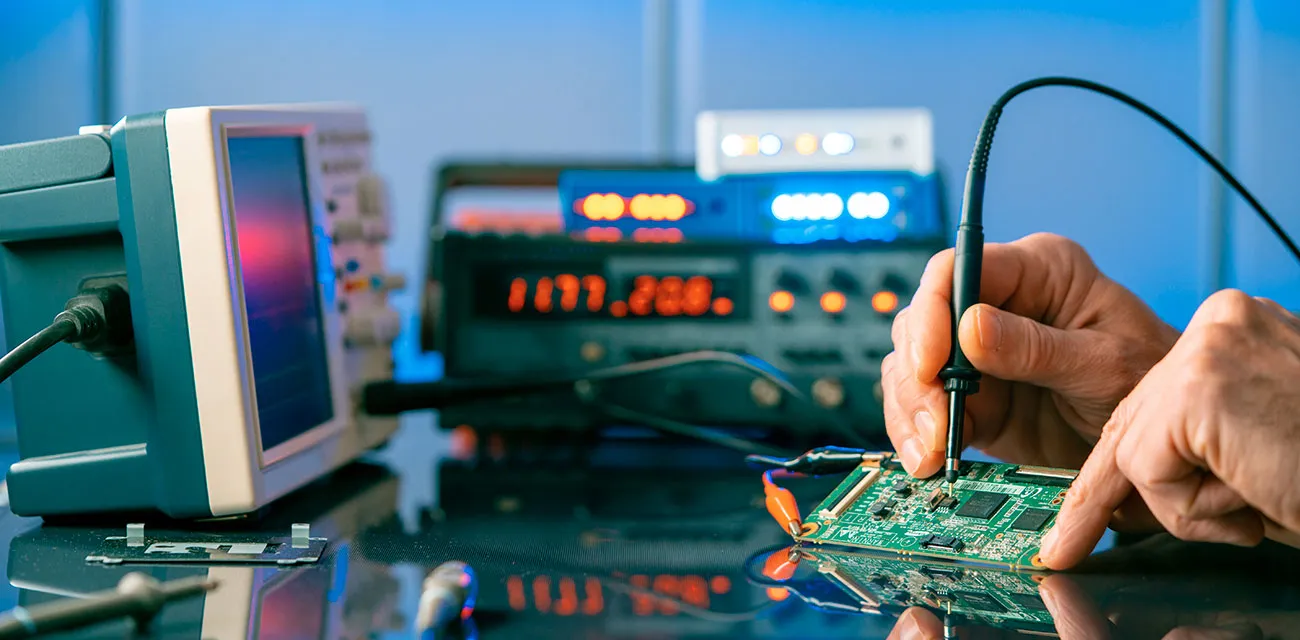
Advanced Tips for Long-Term FR-4 PCB Cost Optimization
For manufacturers looking to take cost reduction to the next level, consider these advanced strategies:
- Panelization Efficiency: Optimize how multiple PCBs are arranged on a single panel to reduce material waste. Efficient panelization can save up to 10% on material costs.
- Supply Chain Management: Build relationships with multiple suppliers to avoid price spikes during shortages. Diversifying your supply chain can reduce component costs by 5-10% over time.
- Energy Efficiency: Invest in energy-efficient manufacturing equipment to lower operational costs. For example, modern etching machines can reduce power consumption by 15% compared to older models.
These long-term strategies require upfront investment but deliver substantial savings as production scales.
Conclusion: Mastering FR-4 PCB Cost Optimization
Optimizing FR-4 PCB manufacturing costs is a multi-faceted process that involves smart design choices, material analysis, efficient assembly, and strategic partnerships. By implementing the FR-4 PCB cost reduction strategies outlined in this guide, manufacturers can lower expenses while maintaining the quality and reliability that customers expect.
Start with small changes, like refining your design for manufacturability or conducting a thorough FR-4 PCB material cost analysis. Then, scale up to advanced techniques like supply chain diversification and energy-efficient production. Every step you take toward cost optimization brings you closer to a more competitive position in the electronics market.
With the right approach, reducing FR-4 PCB prototyping costs, assembly expenses, and overall production costs is not just possible—it’s a game-changer for your business. Take action today to build a leaner, more profitable manufacturing process.