ALLPCB


Definitions of VR and AR
Virtual reality (VR) and augmented reality (AR) are two technologies that interact with the real world and provide more immersive and interactive experiences compared with traditional computer interfaces.
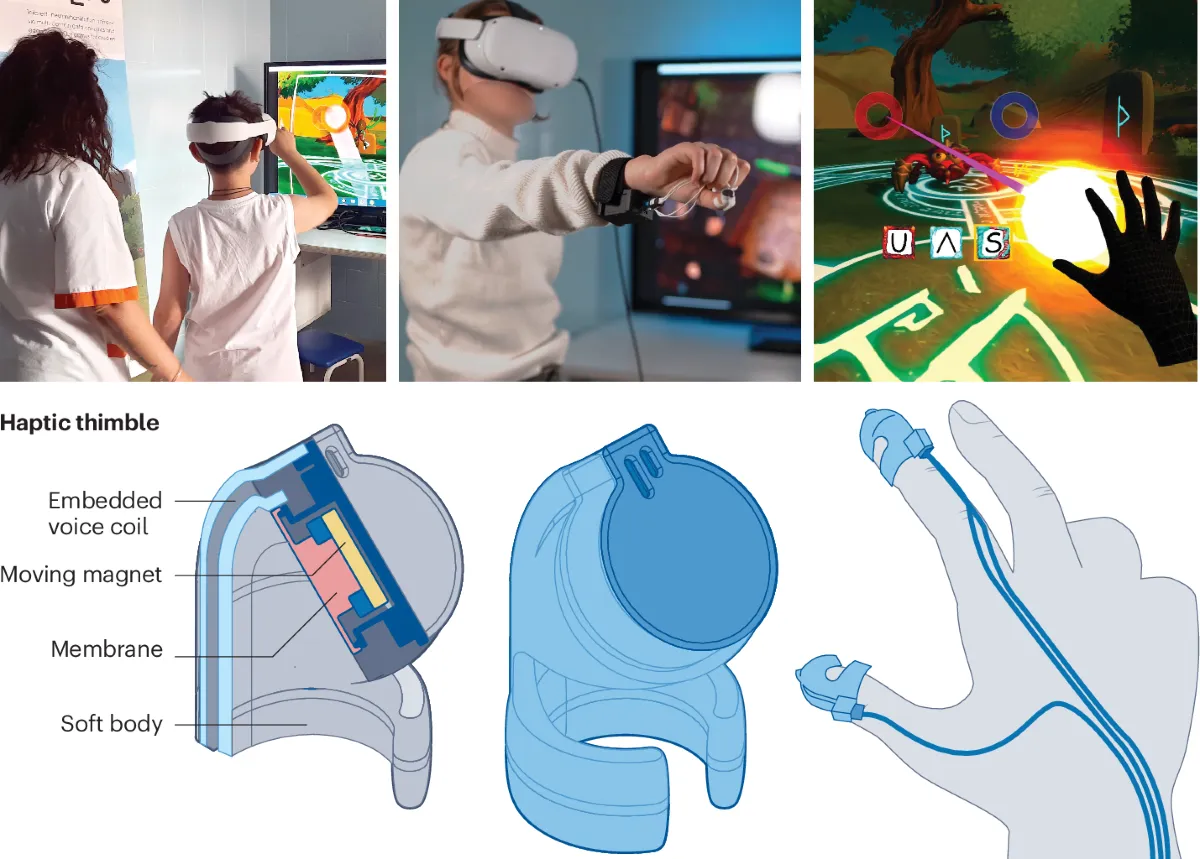
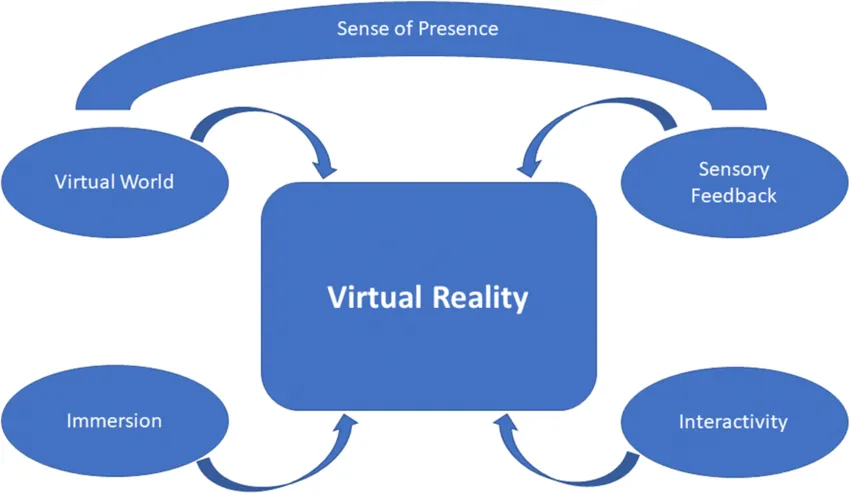
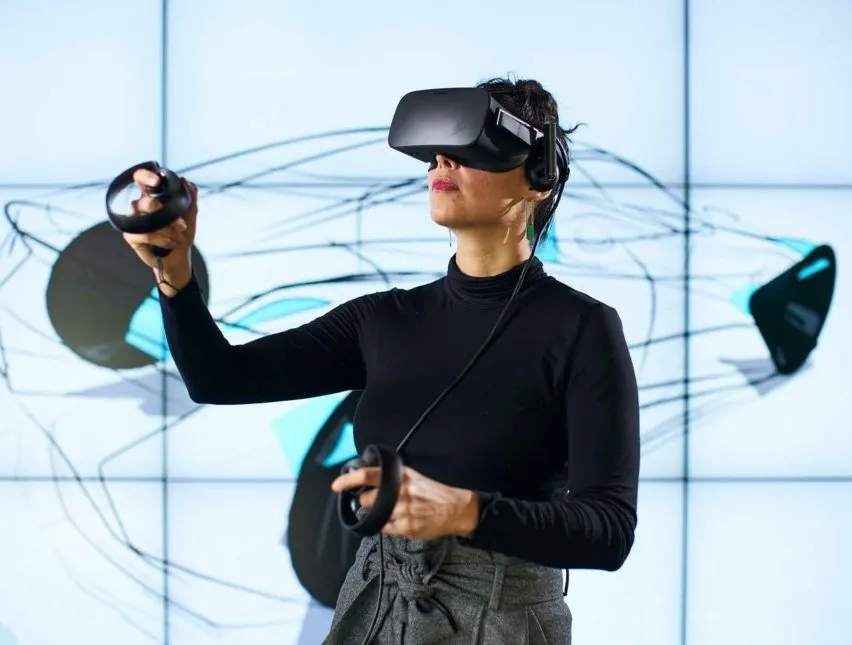
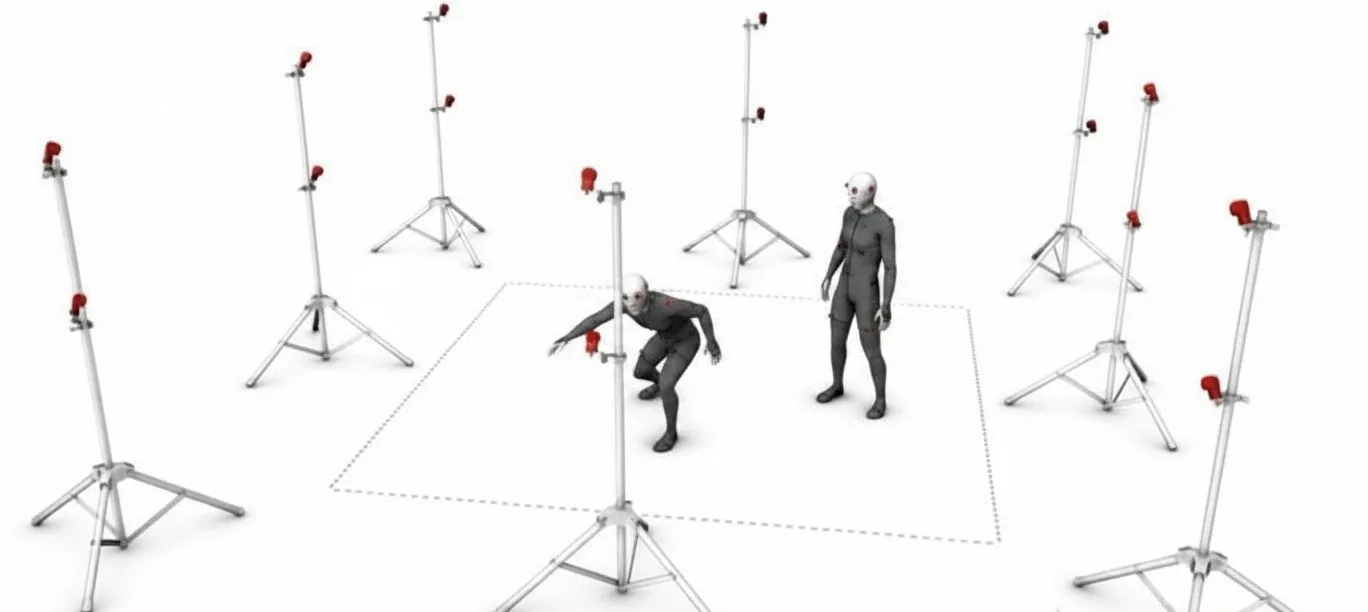
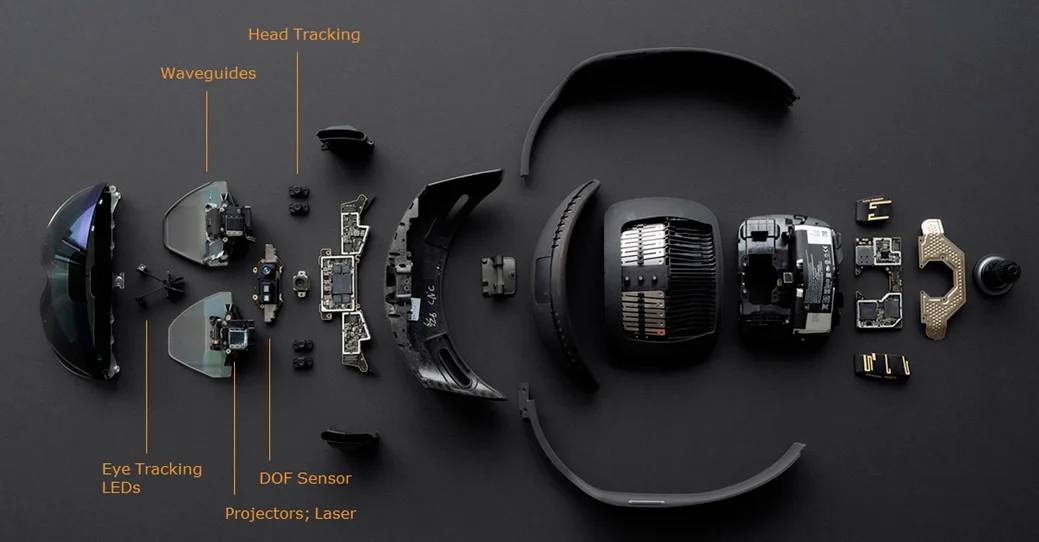
Virtual reality (VR) creates a computer-generated environment that fully immerses the user in a simulated virtual world. Using VR devices such as head-mounted displays or VR headsets, users can explore and interact with virtual environments and objects. VR systems typically include head tracking, hand tracking, and motion tracking to enhance realism.
Augmented reality (AR) overlays virtual information onto the real world, enabling users to interact with virtual objects within their actual environment. Through AR devices such as smartphones and AR glasses, users view a real-time view of the physical world with virtual images, text, audio, and other information superimposed. AR relies on position tracking and object recognition to integrate virtual content with the real environment, offering richer and more practical interaction.
In general, VR creates a wholly new virtual world for user immersion, while AR combines virtual elements with the real world to enable interaction within actual environments. Both technologies are applied in fields such as entertainment, education, healthcare, and industry, and are important directions for future computing and human-computer interaction.
Differences and Connections between VR and AR
Differences
1. Environment: VR creates a completely virtual environment that immerses the user in a virtual world. AR combines virtual elements with the real environment by overlaying virtual content onto the user's view of reality.
2. Perception of the real world: VR has limited awareness of the real world; users in a VR environment do not see real-world images or information and are fully immersed in the virtual environment. AR, by contrast, requires sensing of the real world to merge virtual content with the physical environment.
3. Interaction methods: In VR, users typically interact with the virtual world via controllers or hand-tracking devices. In AR, users can interact with virtual content within the real environment through gestures, touchscreens, and other direct interaction methods.
Connections
1. Blurred boundaries: As technology advances, the boundary between VR and AR is becoming less distinct. Mixed reality (MR) technologies now exist that integrate virtual and real worlds more tightly.
2. Application domains: VR and AR play roles in many of the same application areas, such as gaming, education, training, healthcare, and architectural design. Both technologies provide more immersive, interactive, and practical experiences, enabling a range of innovative use cases.
The development of VR and AR expands the possibilities for interaction and experience. Although they differ in technical implementation and user experience, both play important roles in reshaping how people interact with digital and physical worlds.