ALLPCB


Overview
Embedded microprocessor architectures are designed for different application scenarios and requirements. The common types are single-core processors, multi-core processors, vector processors, and coprocessors.
Common Architectures
-
Single-core processor
Single-core processors are the simplest and most common embedded microprocessors. They contain a single core that executes a sequence of instructions sequentially. Single-core processors are typically used in simple embedded systems with low real-time requirements, such as home appliances and office equipment.
-
Multi-core processor
Multi-core processors contain multiple cores that can execute instruction streams concurrently. Each core can run tasks independently, increasing processing capability and parallelism. Multi-core processors are suitable for more complex embedded systems with higher real-time or performance demands, such as drones, robots, and intelligent transportation systems.
-
Vector processor
Vector processors are specialized embedded processors optimized for data-level parallelism. They apply the same operation to multiple data elements, improving throughput for large-scale data processing. Vector processors are commonly used in scientific computing, image processing, and audio/video codec tasks.
-
Coprocessor
Coprocessors are auxiliary processors that work alongside a main processor to handle specific tasks or algorithms, providing additional performance and functionality. Coprocessors are often used for graphics processing, signal processing, and encryption/decryption.
Other Architectures
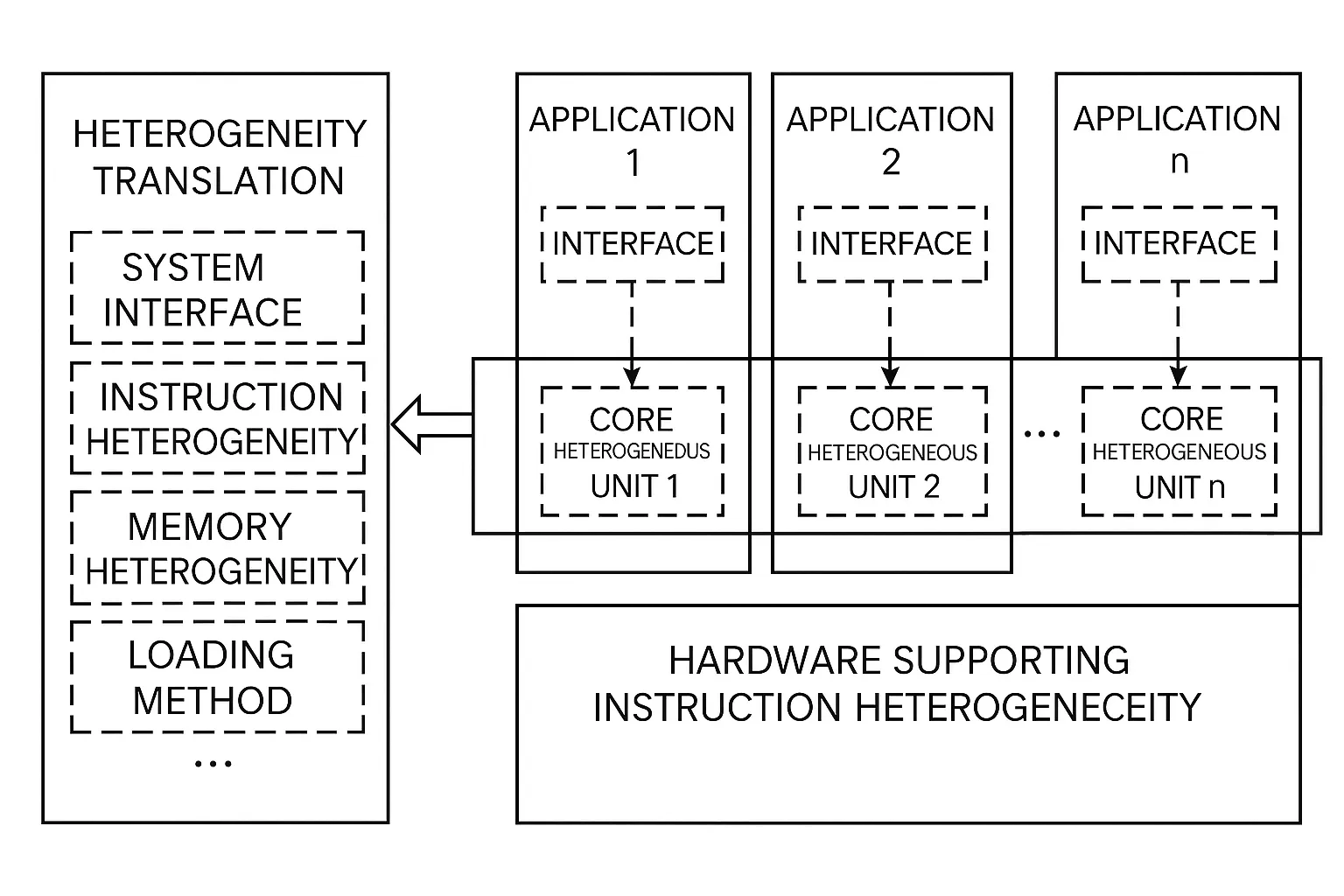
Beyond the four main categories, other embedded architectures include hybrid processors (for example ARM big.LITTLE), FPGAs (programmable logic devices), and application-specific processors. Each architecture targets different use cases and trade-offs in performance, flexibility, and power consumption.
Selection Considerations
Choosing an embedded microprocessor depends on system requirements, power constraints, real-time performance needs, and resource limitations. Engineers should evaluate these factors comprehensively to select the architecture that best meets the system objectives.