ALLPCB


Introduction
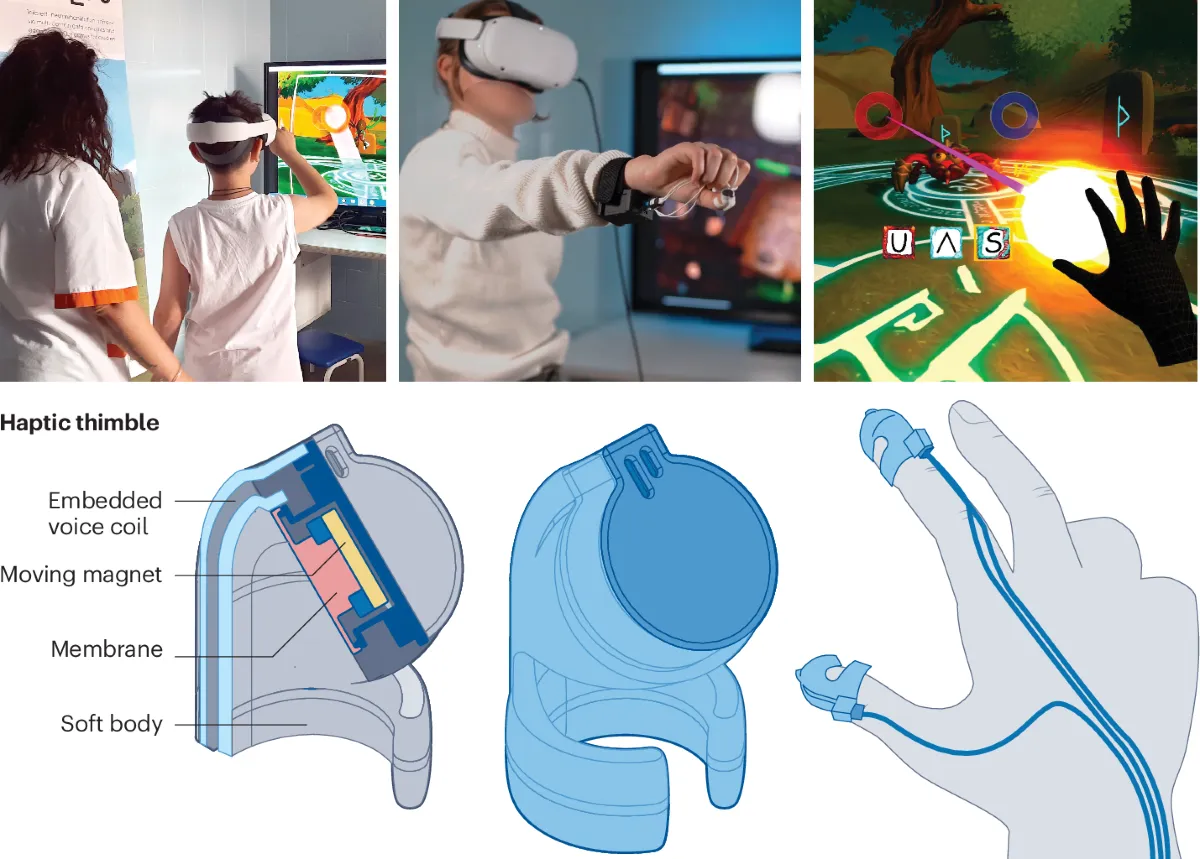
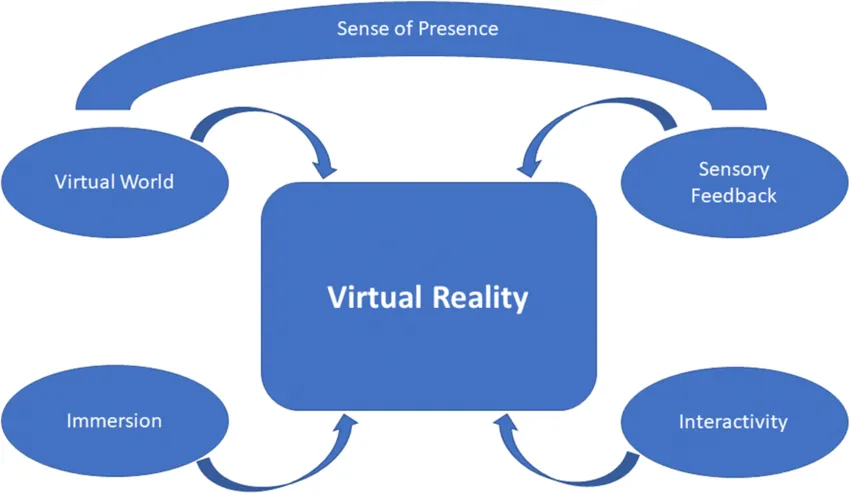
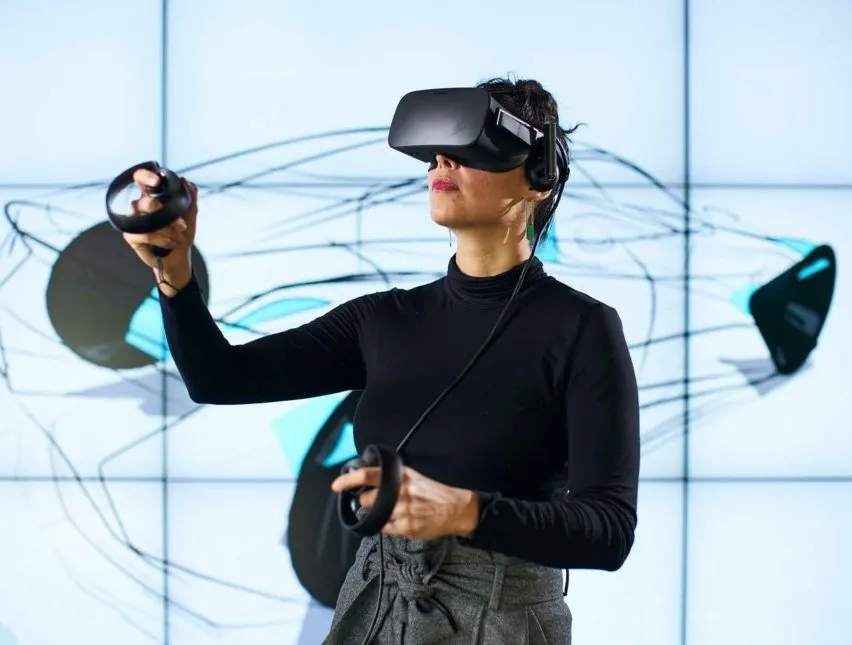
Virtual reality has become one of the most closely watched smart device fields. To deliver a solid experience, VR devices place higher demands on hardware, and sensors are a key part. VR sensing devices generally include two categories: wearable hardware for human interaction such as head-mounted displays, data gloves, and motion suits; and environmental sensors for vision, hearing, haptics, and force feedback.
To allow users to truly "enter" a virtual world, motion capture is essential. This article analyzes inertial motion capture systems and reviews typical solutions from different vendors.
Main Approaches
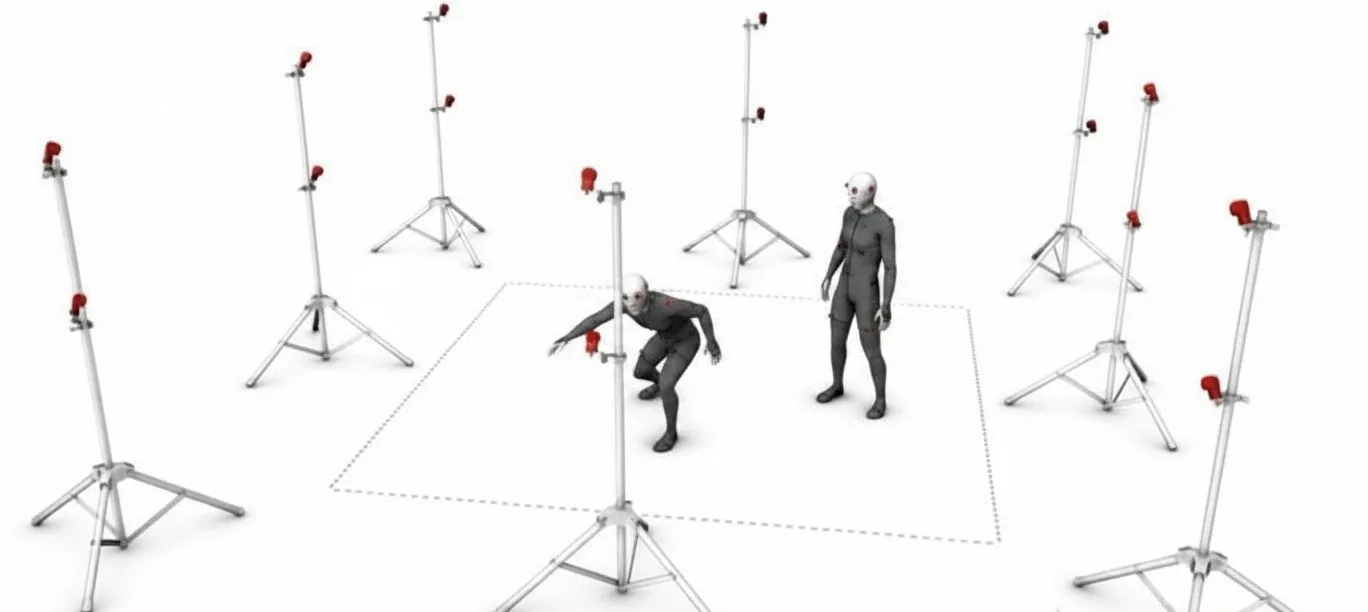
Current motion capture systems follow two mainstream technical routes: inertial and optical. The inertial approach appeared after optical systems, but its lower cost, simpler processing flow, and fully real-time computation and feedback have made inertial motion capture a widely used option.
System Composition
A typical motion capture system is divided into three parts:
- Data acquisition devices
- Data transmission devices
- Data processing unit
An inertial motion capture system applies inertial sensors at the data acquisition end. The data processing unit uses inertial navigation principles to process the captured data and determine the tracked object's attitude and orientation.
Implementation Flow
Inertial sensors such as accelerometers, gyroscopes, and magnetometers are mounted on key points of a moving object. The sensors capture motion data, including limb attitudes and orientations, and transmit this data to the processing unit via the transmission subsystem. After calibration and processing, a 3D model is constructed and animated so that it moves naturally with the tracked object. The processed motion capture data can be applied in animation production, gait analysis, biomechanics, ergonomics, and other fields.
How the Sensors Work
Accelerometer: Measures the magnitude and direction of acceleration experienced by the sensor. It determines axial acceleration (XYZ) by measuring forces along an axis. However, using accelerometers alone to determine device orientation relative to the ground is imprecise; this deficiency is compensated by the gyroscope.
Gyroscope: Measures angular velocity by tracking the angle between a rotor axis and the device in three-dimensional space. Gyroscopes excel at measuring rotational motion of the device itself but cannot determine absolute heading.
Magnetometer: Complements the gyroscope by providing heading information relative to the cardinal directions.
In simple terms, the gyroscope detects rotation, the accelerometer detects movement magnitude, and the magnetometer provides direction. In motion capture systems, these three sensor types are combined to track motion accurately.
Three Main Advantages
- Technical advantages
Inertial motion capture acquires relatively little signal data, which facilitates real-time attitude tracking. The calculated attitude information covers a wide range, offers high sensitivity, and provides good dynamic performance. Inertial systems adapt well to various capture environments because they are not affected by lighting or background conditions, and they avoid the limited coverage area associated with optical camera setups. They also overcome occlusion issues common in VR devices, enabling accurate real-time capture of actions such as squatting, hugging, or grappling. Inertial systems can also support multi-subject capture. - Ease of use
The devices are compact and lightweight, making them convenient to wear. - Cost advantages
Compared with optical motion capture, inertial systems are lower cost, making them applicable not only in film and games but also facilitating wider adoption of VR devices in the consumer market.