ALLPCB


Overview
Recently, alongside frequent VR news, AR companies have repeatedly announced large funding rounds, often backed by internet giants such as Alibaba, Tencent, Lenovo, and Shanda. Among AR companies in China and abroad, besides unicorns like Magic Leap, there are a few organizations that have produced devices, such as HoloLens and offerings from EPSON, and Lenovo has released the AR smartphone Phab.
Key questions about AR include: What makes AR difficult? Why has progress been relatively slow? How different are VR and AR? How far is mainstream AR adoption? A report from Monita addresses these questions.
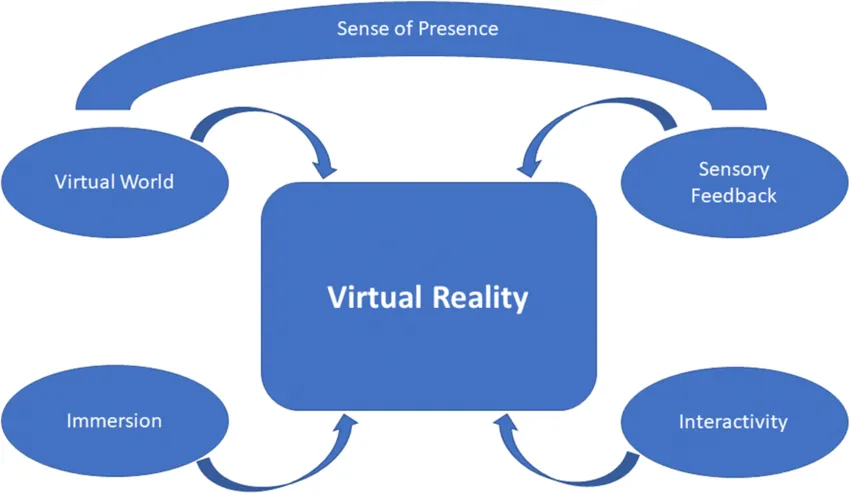
Differences Between VR and AR
As a branch of artificial intelligence, AR faces the challenge of enabling computers to understand and reconstruct the 3D world, relying on computer vision and deep learning. AR places higher demands on algorithms and software than VR.
VR presents a fully virtual world; low latency, high-resolution display and interaction are key experience metrics. VR generally requires greater hardware capability than AR, and producing virtual content is a demanding task.
Technical Challenges in AR
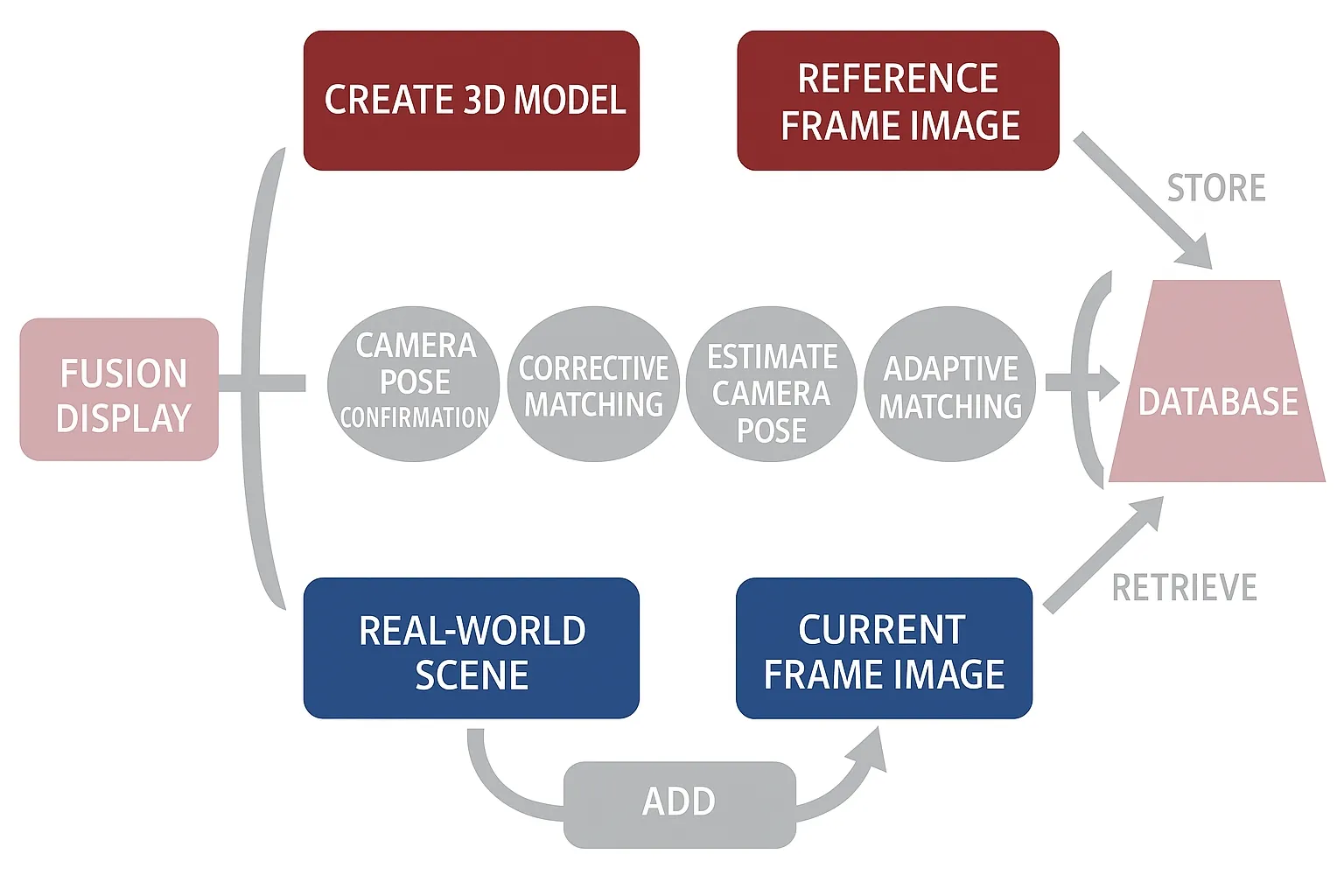
AR systems involve data processing, 3D registration, display, and human-machine interaction. They acquire real-world information via cameras, combine it with sensors for localization and tracking, and generate virtual scenes on a display device to overlay onto the real environment.
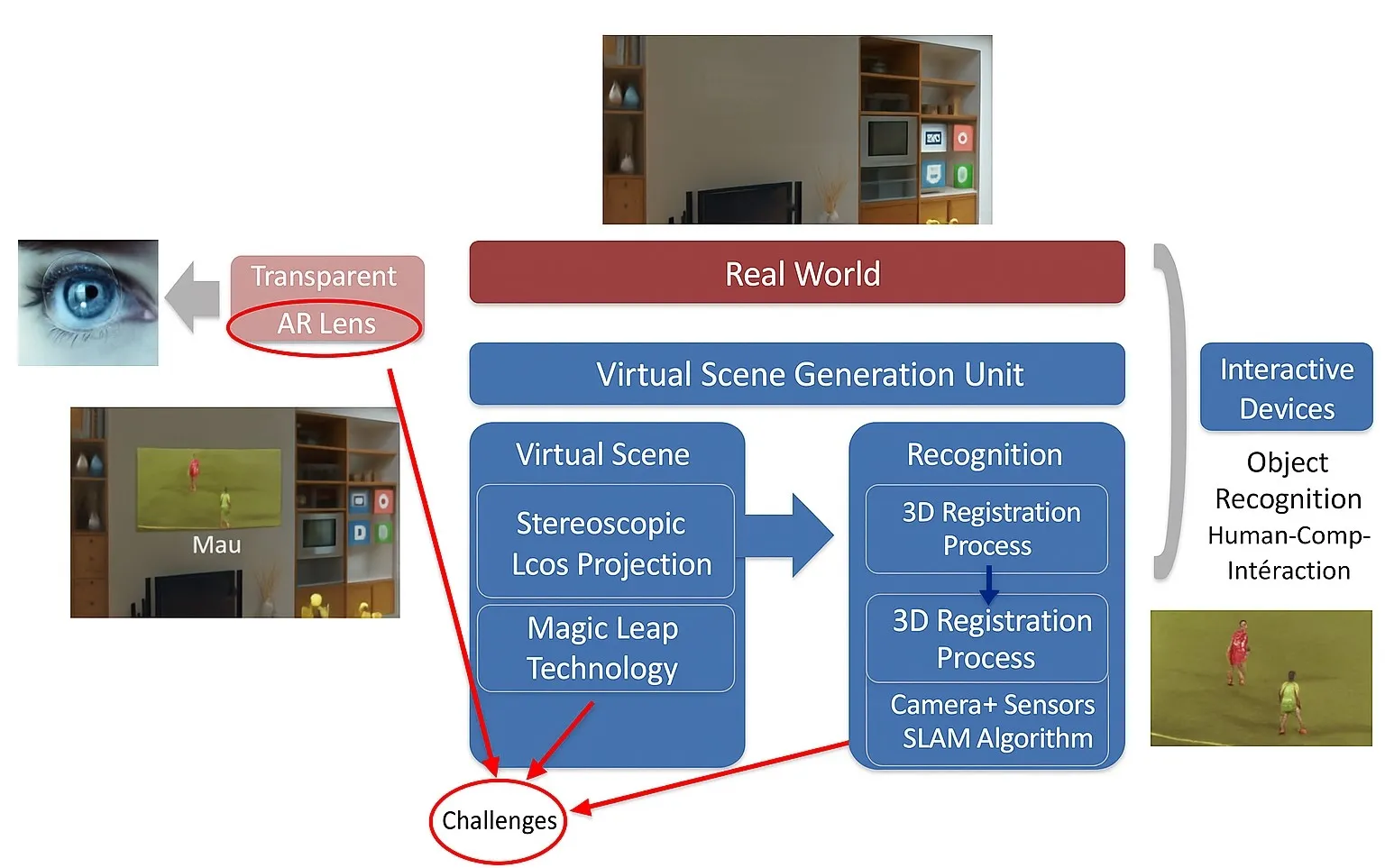
The primary technical obstacles today are display technology and 3D registration/tracking. Breakthroughs in display technology will be most critical for future industry structure; increased consumer demand and industry attention are likely to accelerate improvements in algorithms and related technologies.
Display Technology
Different companies pursue various directions in display research, and superior solutions are still under development.
There are two main approaches to near-eye 3D: stereoscopic and light field.
A major issue with stereoscopic displays is the inability to provide active selective focus, which can cause discomfort during prolonged use. However, the imaging principle is relatively simple, and most current head-worn devices, including HoloLens, use this approach.
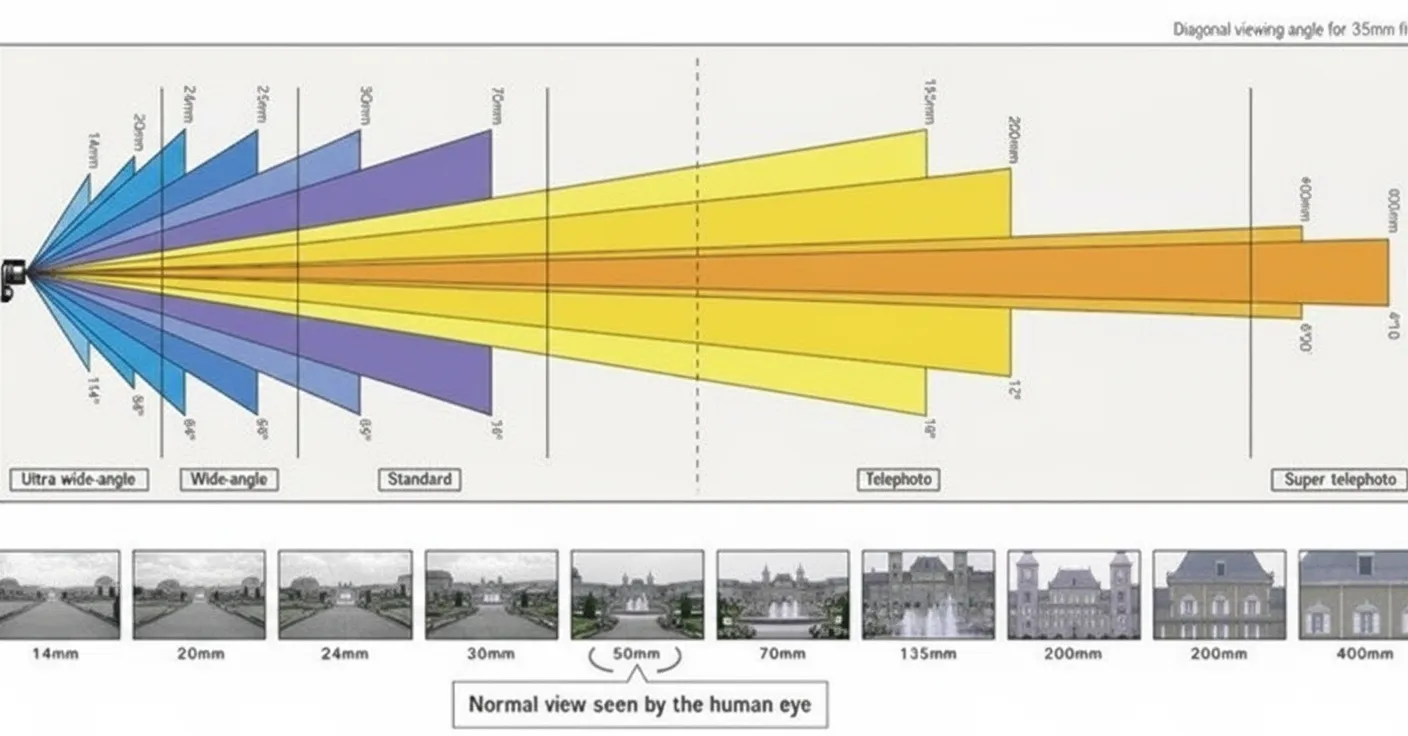
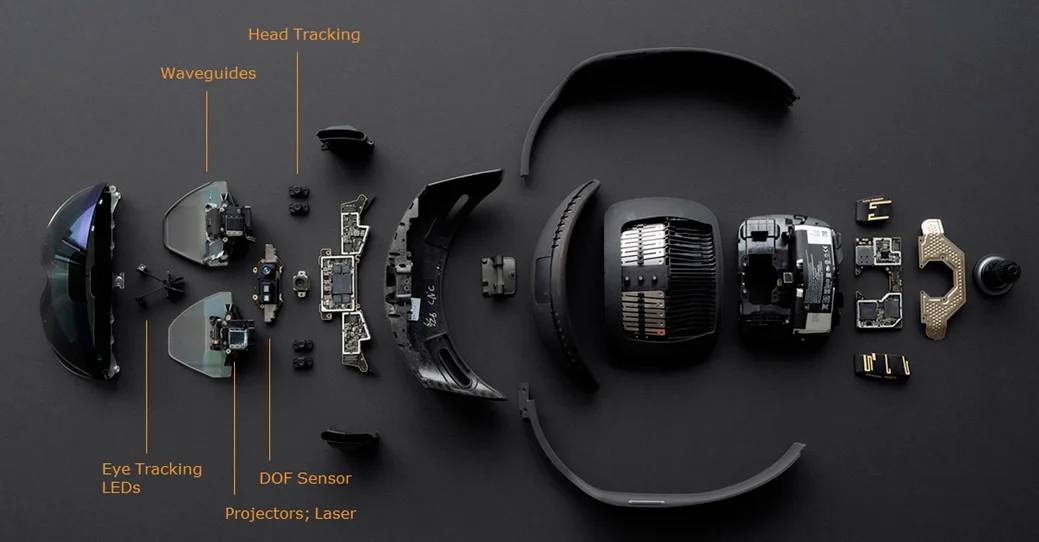
For this display approach, transparent holographic waveguide lenses are a key difficulty. First, manufacturing constraints make large-area lenses expensive and low-yield; HoloLens currently offers about a 40° field of view. Second, the lenses are thick, and several institutions are researching methods to reduce lens thickness.
Recent progress on thinning lenses includes a March 2016 announcement from the Australian National University describing a lens 6.3 nanometers thick, roughly one two-thousandth the diameter of a human hair.
According to NASA, JPL and Caltech researchers have developed an ultrathin optical lens using metasurface technology to control light paths, with potential applications in advanced microscopes, displays, sensors, and cameras. This approach could significantly increase optical integration and change lens manufacturing methods.
In industry, companies such as Israel's Lumus have adopted waveguide techniques, but the processes are complex and mass production has not yet been achieved.
HoloLens currently uses LCOS projection technology (Google Glass also uses LCOS) and leverages projection products from Himax. Previously, HoloLens was reported to be developing displays based on TI DLP Pico; DLP has a significant market share in projection, while LCOS technology has matured in recent years and the supply chain is expanding. The LCOS ecosystem has attracted multiple suppliers from the Chinese market.
Light field is the other main near-eye 3D approach; Magic Leap is a prominent representative of this route.
The core of this method is a fiber optic projector. Based on the principle that light emerging from an optical fiber's port exits tangent to the fiber, Magic Leap manipulates the fiber's three-dimensional shape and the port orientation to control the laser exit direction and project imagery toward the retina.
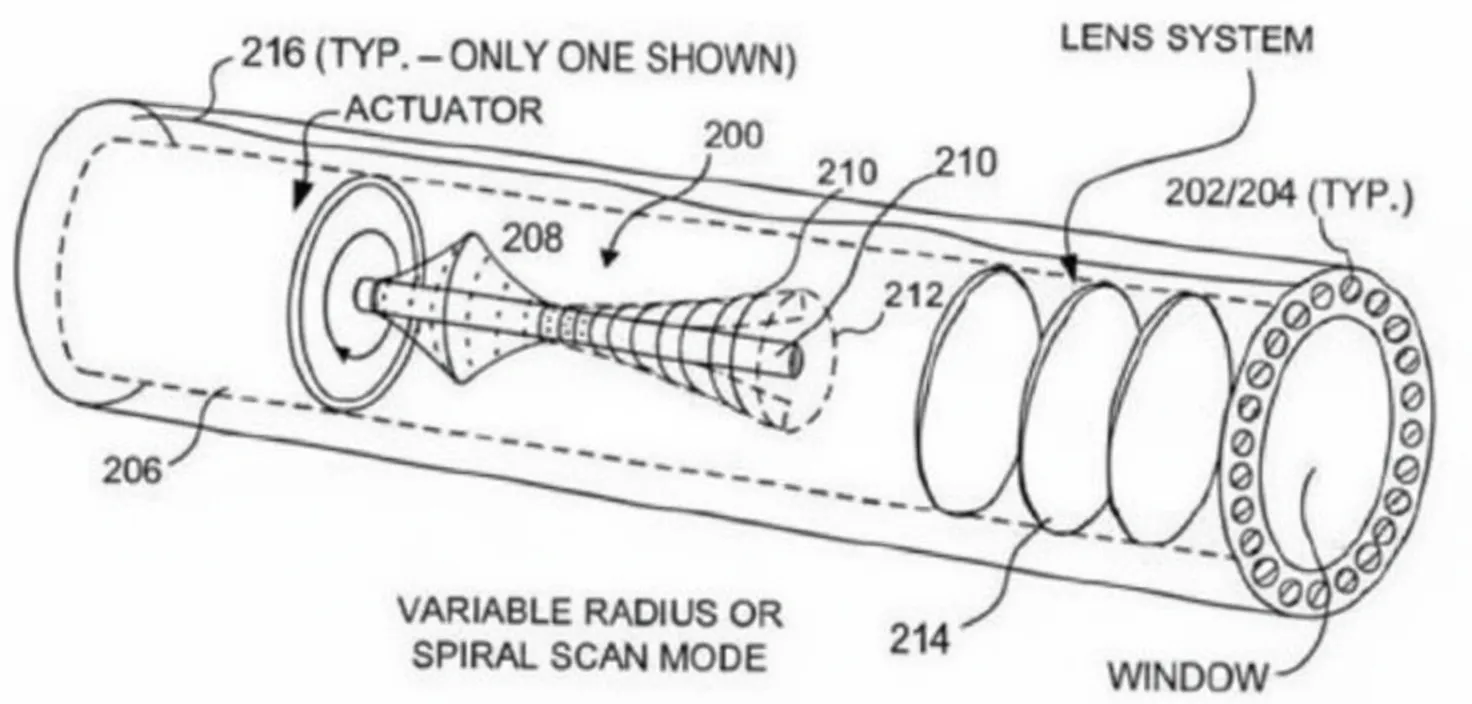
Light field displays require computing the full four-dimensional light field, which increases computational complexity by several orders of magnitude and represents one technical bottleneck.
Additionally, precise control of mechanical components is required so that each fiber vibrates stably in a pattern synchronized with data transmission, and this vibration must resist external noise. This is another significant challenge.
Currently, light field technology remains at the laboratory stage; Magic Leap has demos but no commercial product.
3D Registration and Tracking
The 3D registration process determines the position for virtual content in the camera coordinate system by continuously detecting the user's head position and orientation. This process includes calibration (determining camera intrinsic parameters), tracking and localization (determining relative positions of virtual content), and alignment between virtual and real scenes. Human visual sensitivity imposes very high accuracy requirements on registration.