ALLPCB


Overview
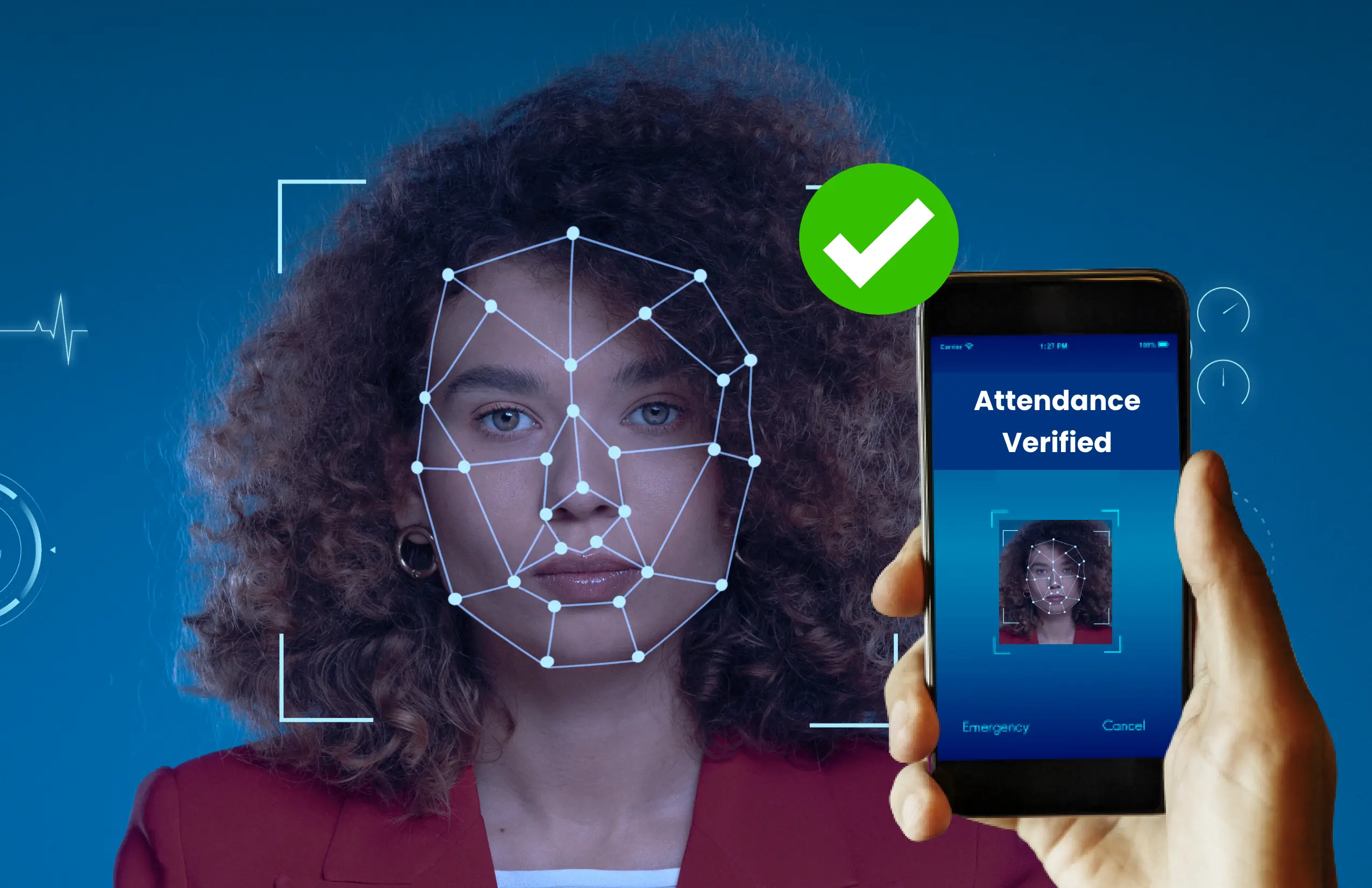
Face recognition is a biometric identification technology based on facial features. It uses cameras to capture images or video streams that contain faces, automatically detects and tracks faces in the images, and then performs facial recognition on the detected faces. It is also referred to as portrait recognition or facial recognition.
Fingerprint recognition classifies and compares the subject's fingerprints to determine identity. As a biometric identification method, fingerprint recognition has matured and been applied in various areas of daily life and work.
Which is more secure?
Neither face recognition nor fingerprint recognition is inherently more secure in all cases. The relative security depends on the application scenario and the specific implementation.
In terms of uniqueness, both fingerprint and facial features can accurately identify individuals. Fingerprint recognition tends to have a lower error rate because fingerprints contain more distinctive features and are less affected by environmental factors such as lighting or facial expressions, so false matches are less common. Face recognition can have a higher error rate because facial images are more sensitive to environmental changes, for example lighting and occlusion can increase the error rate.
However, in some aspects face recognition can be safer. Fingerprints can be left behind on surfaces and reconstructed, while face data is not left in the same way. Some fingerprint systems are vulnerable to fake fingerprints, surface damage, or wear. Fingerprint data can be simulated, copied, or stolen, and such compromise may not be immediately detected. Face recognition systems are frequently targeted by attacks using photos or videos to spoof the system, but countermeasures such as deep learning and artificial intelligence algorithms with liveness detection have been developed to reduce the risk of successful fraud.
Determining which method is more secure requires considering the use case, operational needs, and security requirements. Choose technologies and deploy safeguards appropriate to the scenario, and protect individuals' biometric data and privacy.
Advantages, Disadvantages, and Risks
Both face recognition and fingerprint recognition have advantages and risks that should be weighed according to the specific context.
Advantages of face recognition
- High identification efficiency; can quickly and accurately recognize user identity.
- No need to carry items such as cards or remember passwords; convenient and simple.
- Reduces risks associated with password leakage.
- Contactless, which reduces the chance of disease transmission.
Disadvantages and risks of face recognition
- Privacy concerns: facial recognition involves sensitive personal information and can lead to privacy breaches if not handled properly.
- Recognition performance is affected by environmental and user factors such as lighting, facial expressions, medical conditions, or deliberate deception.
- Higher potential for false matches or being spoofed by attackers if adequate countermeasures are not implemented.
Advantages of fingerprint recognition
- Provides a reliable and unique identifier for user authentication.
- Fast authentication and convenient for login, payment, and access control, avoiding the need to remember complex passwords.
- Generally high accuracy.
Disadvantages and risks of fingerprint recognition
- There are false acceptance and false rejection issues; any factor that degrades fingerprint quality can harm system performance and user security.
- Fingerprints can be copied; if replication techniques are used for criminal purposes, this poses a threat to personal security.
- Fingerprint images may leak biometric information; if stolen, the consequences for the individual can be severe because biometric traits cannot be changed like passwords.
When deploying face or fingerprint recognition, evaluate the application scenario and choose appropriate technologies, protective measures, and policies to safeguard biometric data and privacy.