ALLPCB


Overview
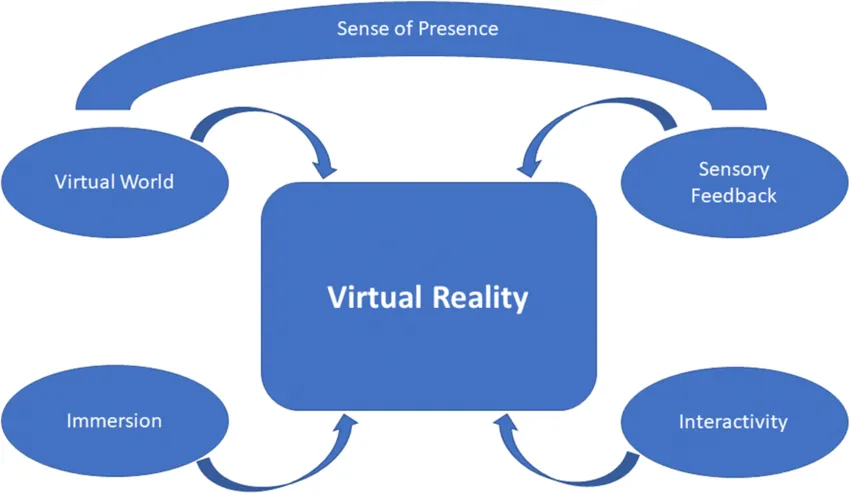
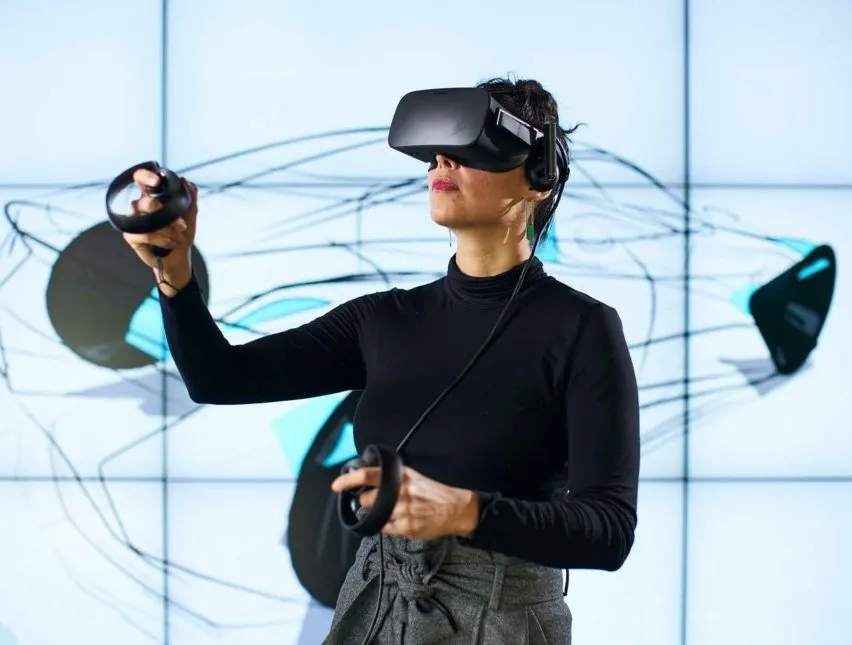
Virtual reality technology involves computer graphics, human-computer interaction, sensing technologies, artificial intelligence, and related fields. It uses computers to generate realistic three-dimensional visual, auditory, olfactory, and other sensory experiences, allowing users to experience and interact with a virtual world through appropriate devices. When a user moves, the computer can perform complex calculations immediately and return precise 3D imagery to create a sense of presence. The technology integrates advances in computer graphics, computer simulation, artificial intelligence, sensing, display technologies, and network parallel processing, and is a high-technology simulation system assisted by computer technology.
Technical significance
In summary, virtual reality is a new way to visualize and interact with complex data using computers. Compared with traditional human-machine interfaces and standard windowed operations, virtual reality represents a qualitative shift in technical approach.
What "virtual" and "reality" mean in VR
In virtual reality, "reality" broadly refers to any object or environment that exists in a physical or functional sense; it can be realizable in the real world, difficult to realize, or impossible to realize. "Virtual" means generated by a computer. Therefore, virtual reality refers to a special environment created by computers, in which a person can "project" themselves using various devices, interact with and control the environment to achieve specific goals, effectively placing the user in control of that environment.