ALLPCB


Augmented reality (AR) concept
Augmented reality (AR) is a technology that integrates real-world information with virtual information. It enables physical elements that are difficult to experience within real-world space to be simulated and emulated on devices such as computers, overlays virtual content onto the real world so it can be perceived by human senses, and produces sensory experiences beyond ordinary reality. After overlay, the real environment and virtual objects can coexist within the same view and space.
Key AR technologies
- Tracking and registration
- Display technologies
- Virtual object generation
- Interaction techniques
- Compositing and merging
Virtual reality (VR) concept
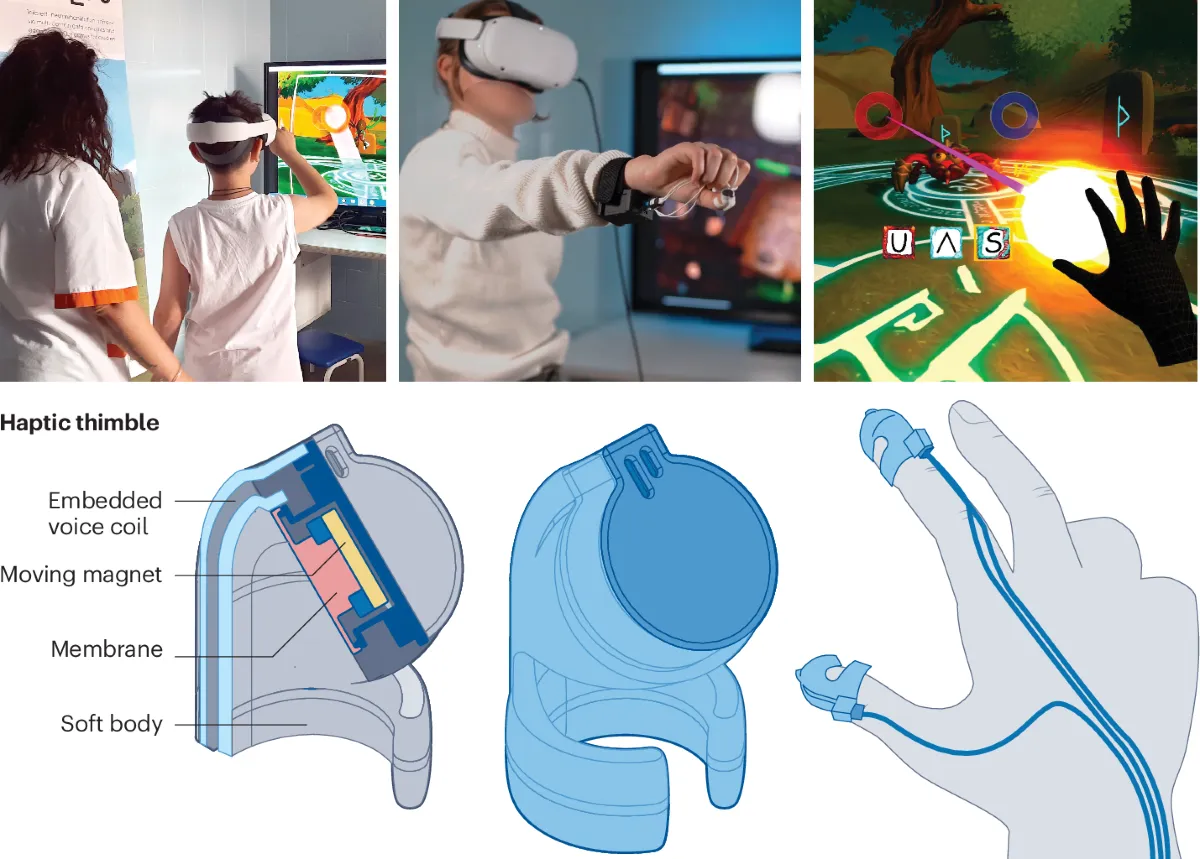
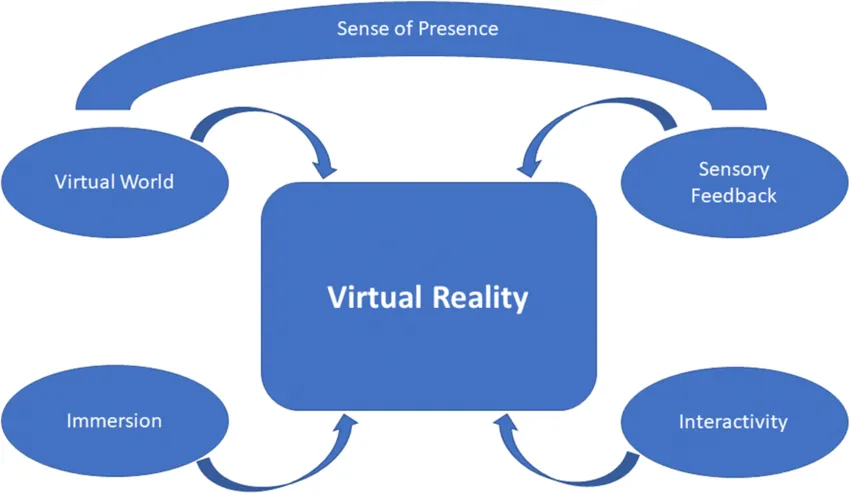
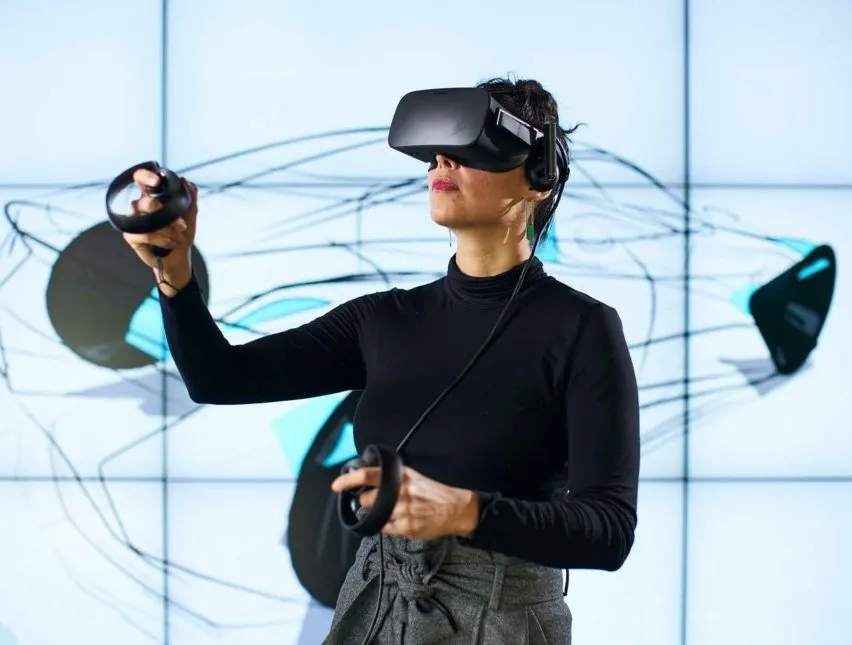
Virtual reality (VR) is a technology that creates immersive simulated environments. It encompasses computer systems, electronic information, and simulation technologies. VR primarily relies on computer technology and integrates 3D graphics, multimedia, simulation, display, and servo technologies to generate realistic three-dimensional visual, haptic, olfactory, and other sensory experiences using computers and related devices, allowing users to feel immersed in the virtual environment. As technology has advanced, VR has developed into a distinct technical field.
Key VR technologies
- Dynamic environment modeling
- Real-time 3D graphics generation
- Stereoscopic displays and sensor technologies
- Application development tools
- System integration techniques
Differences between AR and VR
-
Different technologies
AR incorporates multimedia, 3D modeling, real-time video display and control, multi-sensor fusion, real-time tracking and registration, and scene compositing technologies.
VR is a combination of simulation technology, computer graphics, human-computer interface techniques, multimedia, sensing, and network technologies.
-
Different principles
The basic idea of AR is to add images, sound, and other sensory augmentations to the real-world environment in real time.
VR uses computers to generate a simulated environment: an interactive, multi-source information fused, three-dimensional dynamic scene and entity-behavior system simulation that immerses the user. The main principle is constructing a virtual environment.
-
Different functions
AR must be combined with the real world, has more limited immersion, and does not completely replace reality.
VR can support richer human-computer interaction and multiple sensory modalities, and can fully immerse users in the virtual world.