ALLPCB


Overview
Deep learning helps improve the metaverse because models trained on all available data deliver strong results in image recognition and natural language processing. The metaverse is becoming a major topic across technology, social, and economic domains, with both large companies and startups developing services for this emerging digital environment.
Metaverse Adoption and Projections
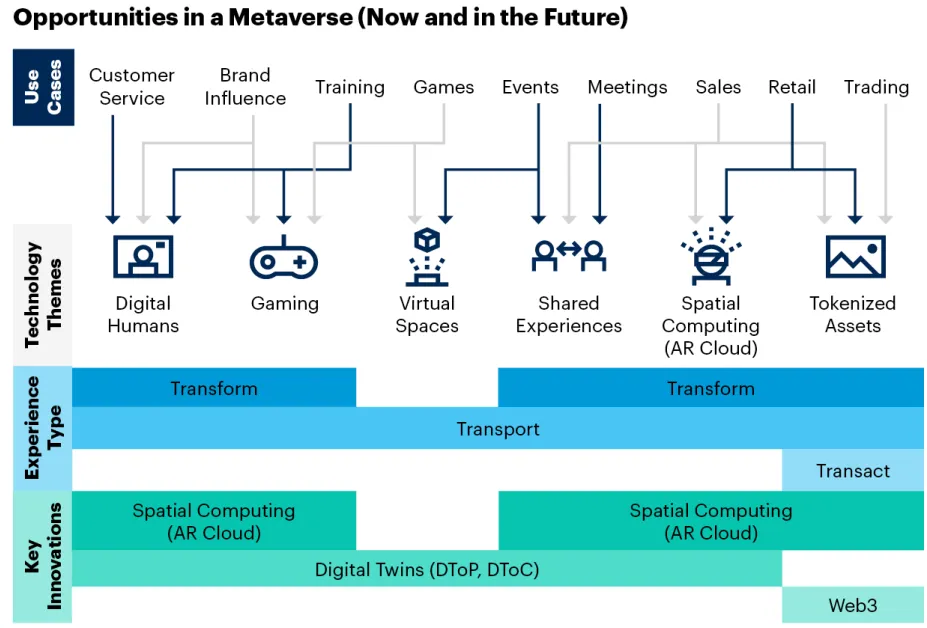
The metaverse is gradually evolving into a mainstream virtual world where people can work, learn, shop, and socialize in novel ways. Gartner identified the metaverse as a strategic technology trend for 2023 and projected that by 2026, 25% of the population will spend at least one hour per day there for work, shopping, education, social activities, and/or entertainment. Organizations that effectively use the metaverse will be able to interact with human and machine customers and create new revenue streams and markets.
Deep Learning as an Enabler
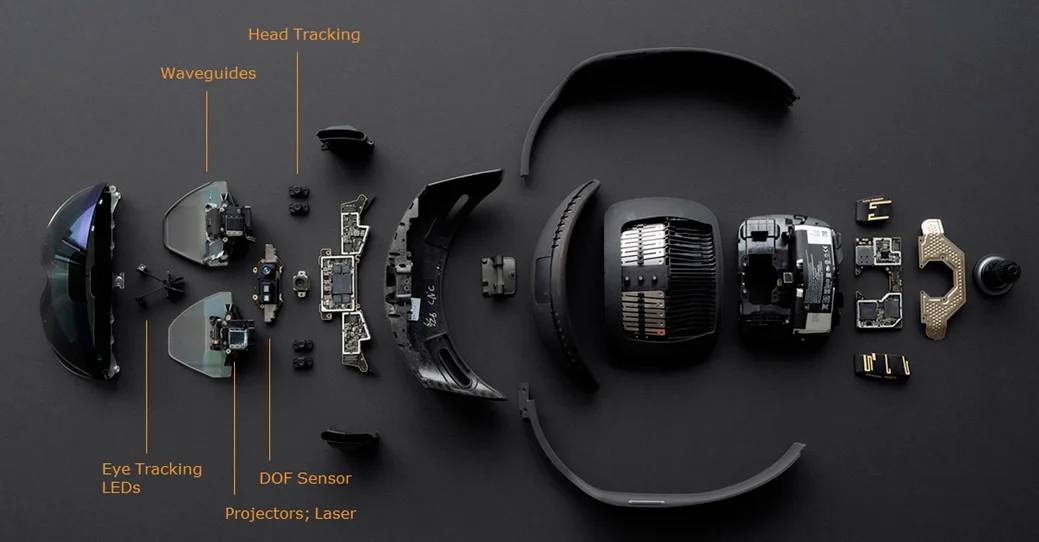
Many metaverse experiences will advance only through deep learning, since artificial intelligence and data science are central to these developments. Advances in computer vision and deep learning algorithms enable better gesture recognition and eye tracking, supporting natural interaction and improved understanding of emotion and body language. Because these technologies are key to immersive metaverse interfaces, current deep learning research is focused on enhancing realistic AI storytelling, creative collaboration, and machine understanding.
Integration Across Platforms
Different companies are building digital realities with varied features and levels of maturity. Many platforms are expected to converge, and that convergence highlights the importance of data science fields such as AI and deep learning in moving users into new phases of the metaverse. Success depends on understanding algorithmic models and their key metrics.
Deep learning software has been integrated into virtual environments in forms such as autonomous driving simulations, chatbots, and other natural language processing systems that enable seamless interaction. In augmented reality, deep learning-based AI is applied to camera pose estimation, immersive rendering, real-world object detection, and 3D object reconstruction, helping ensure AR application diversity and usability.
For example, Meta announced a Universal Speech Translator project aimed at creating a system for real-time speech translation across languages. Progress in unsupervised speech recognition (wav2vec-U) and unsupervised machine translation (mBART) will help improve spoken-language translation in future metaverse interactions.
All of these implementations require large datasets and extensive modeling, which are now achievable with deep learning methods. AI-based Web3 technologies are also being used to automate smart contracts and decentralized ledgers, creating blockchain capabilities to support virtual transactions.
New Interaction Methods
Jerrod Piker, a competitive intelligence analyst at Deep Instinct, noted that deep learning improves the metaverse because models trained on comprehensive datasets yield impressive results in image recognition and natural language processing. He added that automated code translation between programming languages could significantly aid seamless integration across diverse metaverse platforms.
Scott Stephenson, CEO and co-founder of Deepgram, observed that deep neural networks are more powerful and complex than shallower networks. He said companies can offer new ways for customers and communities to interact with brands, and deep learning–based AI plays an important role in enabling those experiences. Companies can now train AI brand representatives on a company’s unique language style and product documentation so these representatives can operate within the metaverse and promote products or services.
Metaverse platforms can run chatbots in the background that use generative text to drive conversations and interactions, rather than relying on dozens or hundreds of prewritten dialogue lines as seen in many current video games.
Addressing Challenges Through Fusion
Despite broad potential, the metaverse faces user-based risks such as data security. When integrated with traditional toolsets, deep learning–based AI models may help mitigate these challenges. Piker said protecting sensitive data created, sent, and shared across the metaverse requires more advanced techniques than past data security efforts. Deep learning’s ability to accurately identify content can offer strong results for continuous monitoring of sensitive data to prevent unintended disclosure. Compared with other machine learning models, deep learning can achieve lower false positive rates in identifying diverse digital content.
Scott Likens, a leader in innovation and trust technology at PwC, stated that the convergence of deep learning, AI, and VR can provide deeper metaverse experiences, and many brands are starting to see real commercial value. AI now helps generate metaverse assets to fill a current content gap. With advances in the Internet of Things for data collection, deep learning models have more material to create realistic synthetic worlds that support business strategies at unmatched speed.
Patrik Wilkens, Chief Operating Officer at TheSoul publisher, said deep learning will be important for automation. TheSoul’s channel portfolio includes titles such as 5-Minute Crafts, Bright Side, and 123 GO!. Wilkens explained that tasks which formerly required many human hours can now be performed far more efficiently by integrating deep learning into workflows. This allows human effort to be redirected to other creative tasks.
TheSoul is using deep learning algorithms in content workflows for proofreading, translation, quality assurance, and graphic construction. They are also developing initiatives such as a marketplace inside the metaverse: an avatar can enter a mall-like environment, watch a craft video, and then purchase materials from an AI assistant to recreate the craft.