ALLPCB


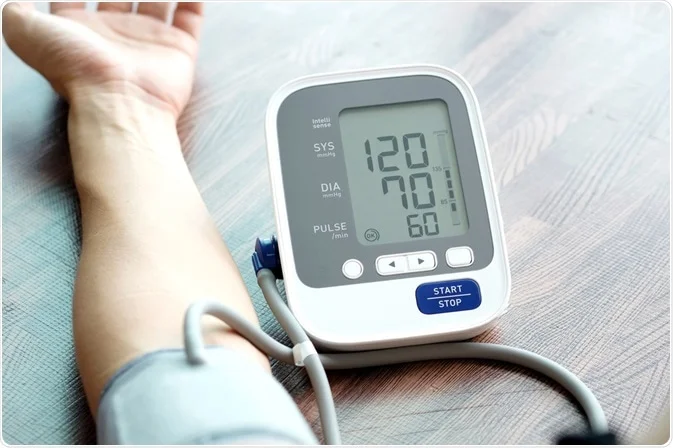
Function of a blood pressure monitor
A blood pressure monitor is an electronic device used to measure arterial blood pressure. It is an important tool for studying hypertension, hypotension, heart disease, and other related conditions. Specific functions include:
- Provide blood pressure data: The monitor can quickly and accurately measure changes in arterial blood pressure and record the results. These data help clinicians or individuals monitor cardiovascular health and detect or prevent hypertension, hypotension, and other related conditions.
- Enable convenient monitoring: Portable blood pressure monitors allow users to check their blood pressure at home, at work, or while traveling, improving convenience and reducing the need for frequent clinic visits.
- Support disease management: Maintaining normal blood pressure helps reduce the risk of cardiovascular and renal disease. For patients with hypertension, hypotension, or cardiovascular conditions, monitoring assists in controlling disease progression and adjusting treatment.
- Assist clinicians in diagnosis and treatment: Data from the monitor allow clinicians to assess blood pressure trends and develop more accurate diagnostic and treatment plans. Monitors also help evaluate the effect of therapy and post-treatment changes.
In summary, blood pressure monitors provide objective blood pressure data, enable ongoing monitoring, support clinical decision making, and are commonly used in personal health management and medical practice.
How to view data from a 24-hour blood pressure monitor
A 24-hour blood pressure monitor continuously measures blood pressure over a 24-hour period and records the results. Depending on the device model, there are several common ways to view the recorded data:
- Read the report: After completing the 24-hour monitoring, connect the device to a computer and open the appropriate data analysis software to import the data. The full blood pressure dataset and a report are typically available. Reports usually include average systolic pressure, average diastolic pressure, average pulse pressure, average heart rate, and blood pressure trend charts.
- View on the device: Some devices have a small screen that displays stored data. Use the device buttons or on-screen prompts to navigate the recorded data.
- Use a mobile app: Some devices sync with a mobile app. Follow the app instructions to pair the device with a smartphone, then download and view the measurements in the app.
- Print the report: You can print the report for routine reference or to share with a clinician.
Overall, a 24-hour monitor effectively records daily blood pressure variation. Specific viewing methods vary by device model; refer to the device instructions or professional guidance for detailed analysis and interpretation.
How to use a 24-hour blood pressure monitor
A 24-hour blood pressure monitor is a noninvasive device that records a patient’s blood pressure variations over a full day. It is useful for guiding hypertension treatment and medication adjustments. When using a 24-hour monitor, observe the following points:
- Before fitting the device, ensure the subject is relaxed and emotionally stable, and use a cuff that fits properly. Emotional fluctuations can significantly affect blood pressure and may interfere with results.
- Unlike conventional spot measurements, 24-hour monitoring requires wearing a cuff and securing the recording unit to the body. Take care to avoid impact or getting the device wet to prevent damage.
- During monitoring, maintain normal daily activities and routines. Do not change diet or medications without instruction. Keep a record of activities and meals, as these notes help clinicians interpret the monitoring results.
- Follow the device’s user manual for specific operating steps. The device generally records blood pressure automatically and saves the data to its storage medium.
- After the 24-hour monitoring period, a clinician will analyze the results. If needed, the clinician may recommend repeat testing to establish a treatment or medication plan.
In summary, 24-hour blood pressure monitoring is a noninvasive method that accurately records and analyzes blood pressure patterns, and it can assist in the management and treatment of patients with hypertension.