ALLPCB


Overview
Augmented reality (AR) and virtual reality (VR) are distinct technologies with different working principles and application domains. AR overlays virtual information onto the real world, while VR creates a fully virtual environment that replaces real-world sensory input.
Augmented Reality (AR)
Working principle
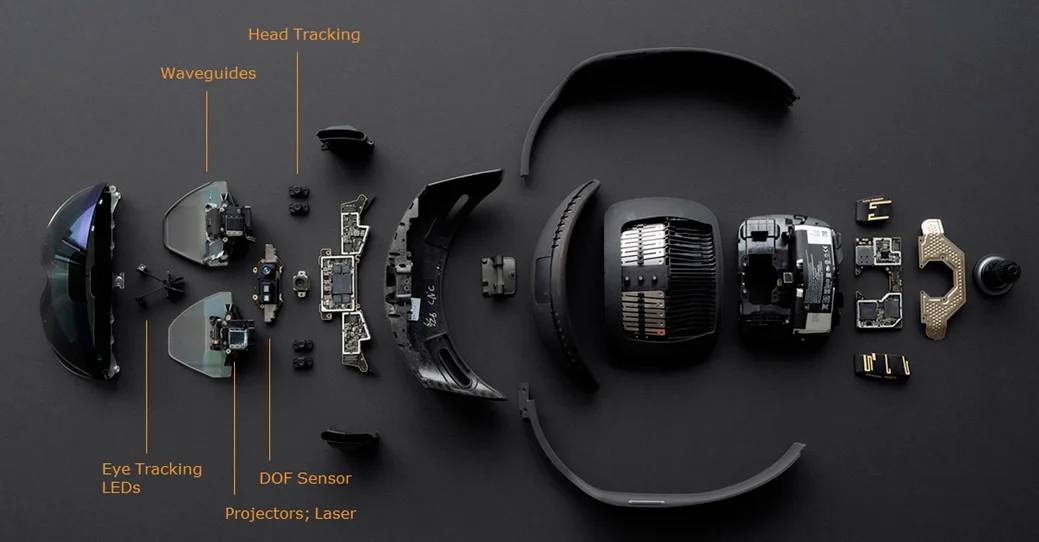
AR uses computing techniques to overlay virtual content onto the real world. By sensing and tracking the user’s environment, AR aligns virtual elements with physical surroundings. Commonly, AR systems use cameras and sensors to capture and interpret environmental data, and display devices such as smartphones or AR glasses to present virtual images, videos, or 3D models within the user’s field of view.
Application areas
AR is used in education, entertainment, healthcare, tourism, and design. Examples include visualizing virtual products, providing real-time navigation cues, and delivering interactive learning experiences in educational settings.
Virtual Reality (VR)
Working principle
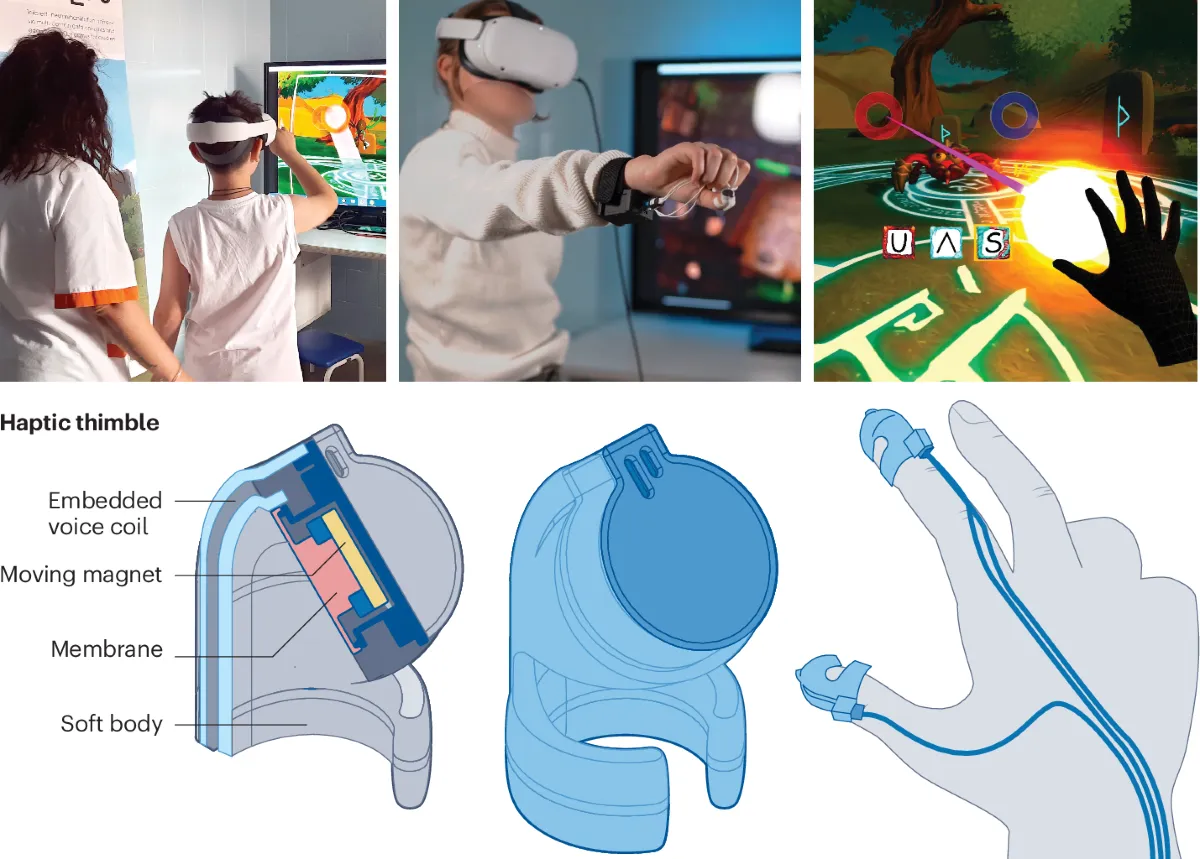
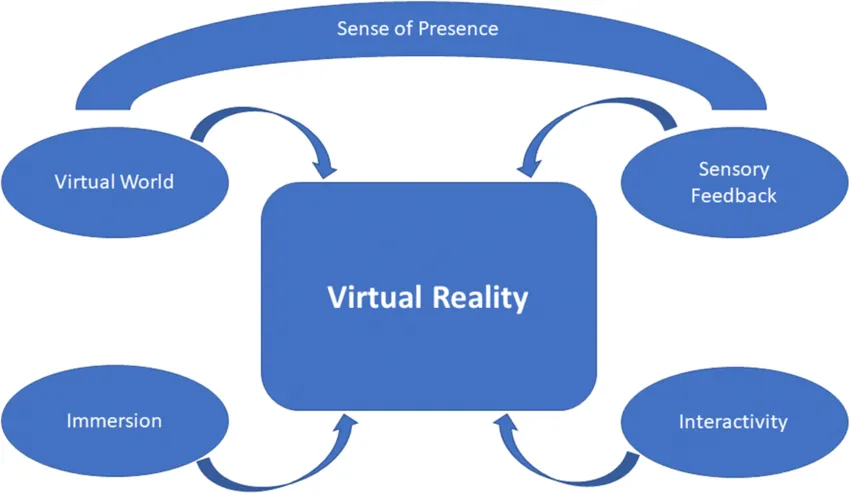
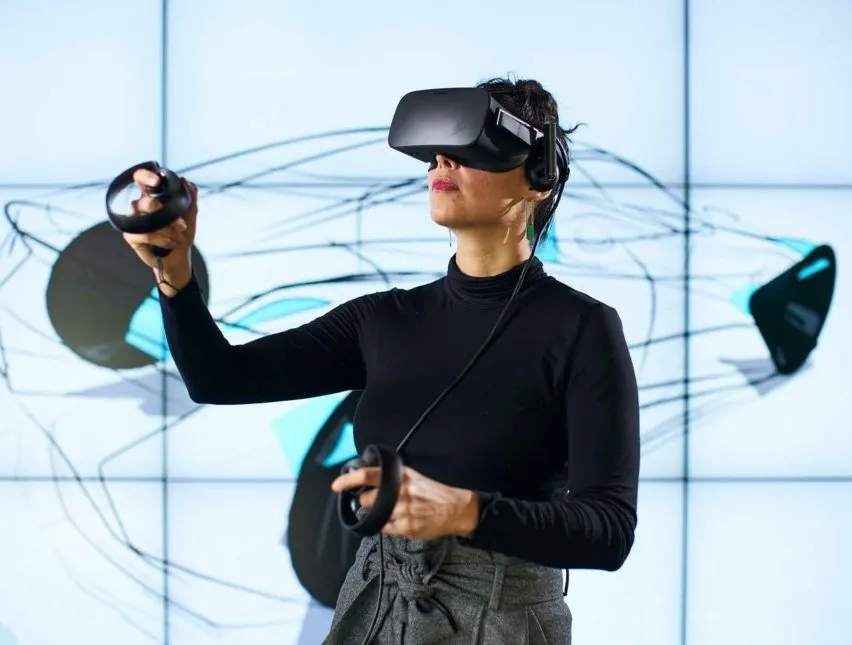
VR generates a computer-created virtual environment and uses head-mounted displays and controllers to immerse the user in that environment. VR aims to provide a simulated experience that makes the user feel present in a digital world distinct from the physical world.
Application areas
VR is primarily applied in gaming, simulation training, and virtual tourism. For instance, VR games offer immersive gameplay, simulation training enables practice in safe virtual settings, and virtual tourism allows users to experience distant locations virtually.
Differences Between AR Glasses and VR Headsets
AR glasses and VR headsets serve different purposes and are designed for different interactions with the real world.
AR glasses
- Function: AR glasses overlay virtual information onto the user’s view of the real world, enabling simultaneous perception of physical surroundings and virtual elements.
- Transparency: AR displays are typically transparent or semi-transparent, allowing users to see the environment through the display while virtual content is superimposed.
- Use cases: AR glasses are suited to scenarios that require interaction with the real environment, such as navigation, displaying live data, and augmented instructional content.
VR headsets
- Function: VR headsets fully immerse the user in a virtual environment, blocking sensory input from the real world to create a convincing virtual experience.
- Enclosure: VR devices are usually closed displays that prevent the user from seeing the physical environment, focusing attention solely on virtual content.
- Use cases: VR headsets are appropriate for applications that demand full immersion, such as immersive gaming, virtual tours, and simulation training.
Summary
AR augments the real world by overlaying virtual content to enhance perception and interaction, while VR replaces the real world with a fully virtual environment to provide immersive experiences. Each approach has distinct strengths and is applied across different fields to enable new forms of interaction, training, and entertainment.