ALLPCB


Overview
Virtual reality (VR) is one of the most discussed frontier technologies today. Under the leadership of several global technology companies, VR is advancing rapidly. During a visit to China, Facebook founder Mark Zuckerberg said at a high-level development forum in China that 2016 would be the year of consumer VR. VR hardware and content applications have gradually entered the consumer market, bringing VR closer to everyday users. However, most people outside the field still have only a partial understanding of VR or no understanding at all.
What is VR technology?
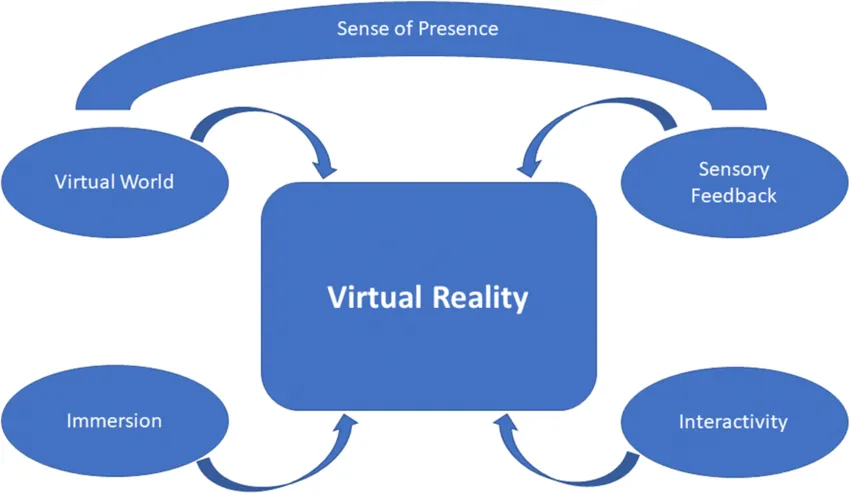
VR, also called immersive or artificial environment technology, integrates simulation technology, computer graphics, human-computer interface technology, multimedia, sensing technologies, and networking to create a computer-based simulation system that can produce experiences otherwise only available in the real world. In simple terms, VR brings the user's perception into a virtual world created by the system and makes the user feel that what they see and sense is real.
The Japanese light novel Sword Art Online uses VR as its technical background. In the story, the protagonist wears a helmet called NervGearVR to enter a virtual game world and controls the body and movement as if present in reality, with sensory feedback for vision, hearing, touch, and even taste and smell. That represents the key difference between virtual reality and conventional computing: VR aims to deliver an immersive, embodied experience.
IBM has attempted to reproduce scenes from Sword Art Online to create a VR version and recently started initial testing. Although a perfect recreation of the novel's scenes remains distant, realizing elements of that science fiction scenario is no longer out of reach.
History of VR
The development of VR has been bumpy. Many think of VR as a recent innovation, but it has quietly evolved for about half a century. The first VR prototype appeared in 1968: The Sword of Damocles. Limited by the technology of the time, it did not demonstrate its full potential and VR was regarded by some as impractical, causing progress to stall.
By the 1980s, theoretical foundations for VR matured and constituent devices such as displays, graphics processors, tracking equipment, and sensor gloves became available separately. Computer scientist Jaron Lanier assembled and released the first commercially available VR headset, the Eye Phone, which was priced at around $10,000.
More headsets followed but technical limitations constrained widespread adoption. Since the 1980s there has been a qualitative leap in key technologies: display pixel density (PPI) commonly exceeds 400; graphics cards can render complex 3D scenes much faster; motion tracking is more precise; and interaction modalities have diversified to include motion controls, gesture recognition, and voice control.
In 2012, the startup Oculus combined these advances and developed the Oculus Rift headset. In July 2014, Facebook acquired Oculus for $2 billion, marking the start of a renewed wave of interest in virtual reality.
Investment flowed into the market, major technology companies entered the field, and new VR startups appeared covering hardware, software, gaming, social platforms, film, and specialized markets such as military and healthcare. VR entered a period of rapid expansion and is now positioned as a core technology in an emerging technological shift.
Main VR devices
Technical breakthroughs have encouraged many companies to develop VR products. Key companies include Google, Samsung, Oculus, HTC, and Sony, each offering representative headsets: Google Cardboard and Samsung Gear VR for mobile, Sony PSVR for game consoles, and Oculus Rift and HTC Vive for PC.
These five headsets correspond to different levels of VR experience. From low to high: Cardboard is the earliest mass-market option. As the name implies, Cardboard is constructed from simple materials: a cardboard shell, lenses, and a few parts. It uses a smartphone inserted into the viewer to run VR apps. The visual quality and immersion are limited, but the device is inexpensive, typically around $20.
According to Google's data, Cardboard sales exceeded five million units by the end of last year, including one million units distributed through a free promotion with a major newspaper. Google described Cardboard as a non-profit tool intended to introduce more people to VR.
Samsung Gear VR, developed in collaboration with Oculus, is a higher-quality mobile headset and a leader in the mobile VR market. Priced around $99, it delivers a noticeably better experience than Cardboard and has been a common entry point for many users. A major limitation of Gear VR is that it supports only specific Samsung flagship phones.
Sony's PSVR targets console users. Sony announced consumer pricing and shipping dates for PSVR, with a base kit priced at $399 and scheduled shipments in October of the announced year. A complete PSVR setup requires the base kit plus a PlayStation camera, Move controllers, and a PS4 console, bringing the total cost closer to $900. Because PSVR runs on the PS4, Sony benefits from a large installed base of PlayStation users, which can give PSVR an early-market advantage.
By contrast, Oculus Rift and HTC Vive are high-end desktop headsets. Only an estimated 20 million users worldwide have PCs powerful enough to run these devices. Users without high-end computers face a total cost of at least $1,500 to set up a compatible system. Rift and Vive compete directly, and early commercial performance may be modest.
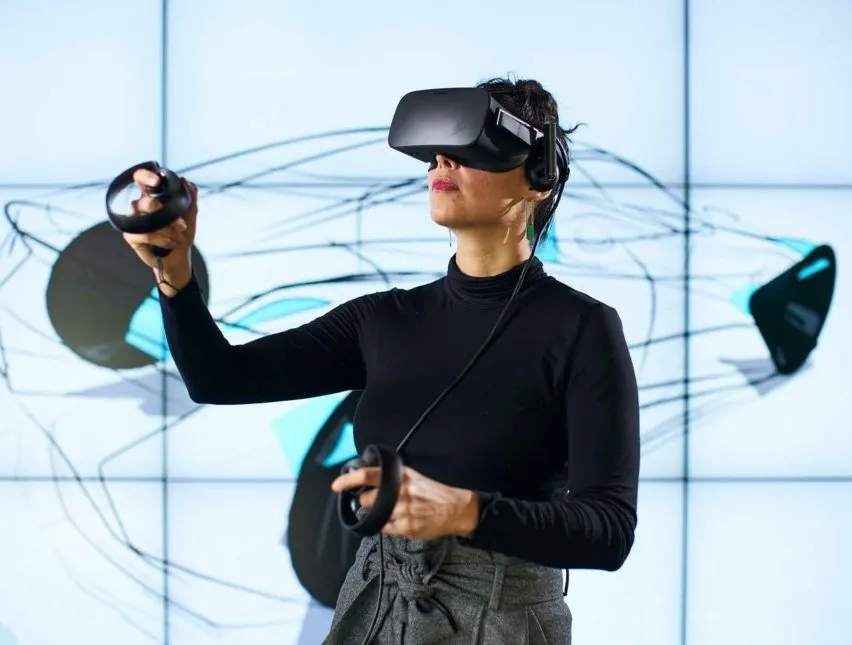
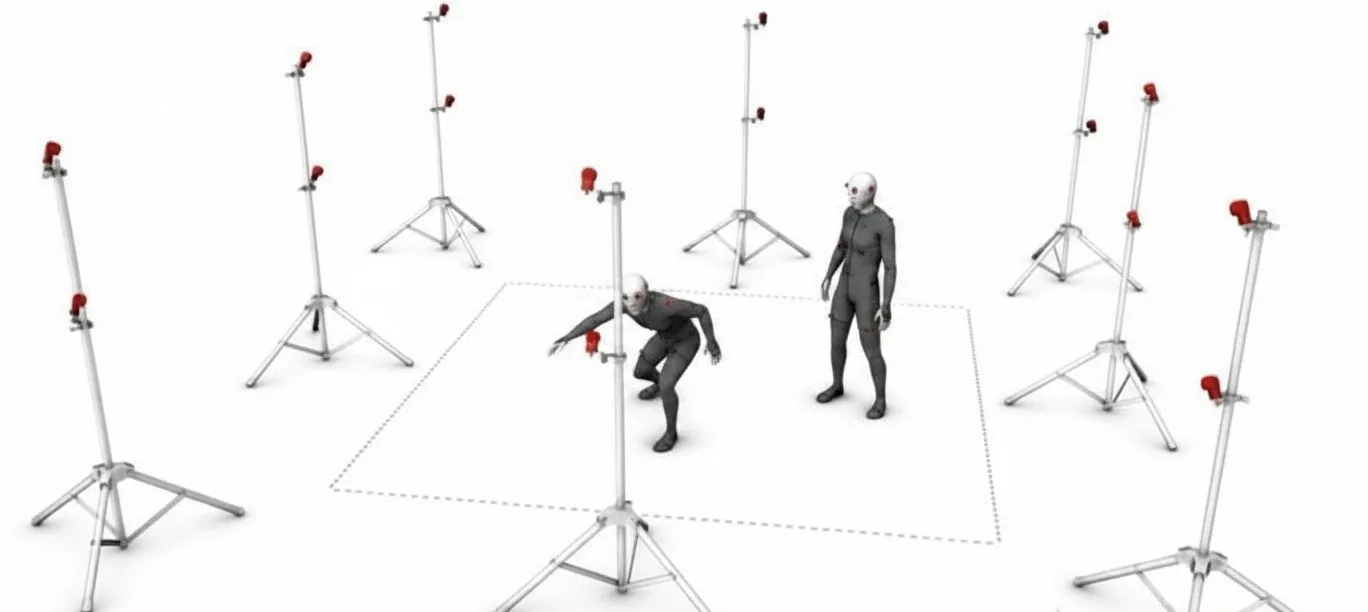
Oculus Rift and HTC Vive share similar performance but differ in usage. The Rift emphasizes a seated experience and initially tracked only head motion. The Vive includes a room-scale tracking system that allows users to walk within a defined space. Each approach has strengths: Vive's room-scale tracking suits enterprise settings and VR arcades, while Rift is more oriented toward personal and home use.
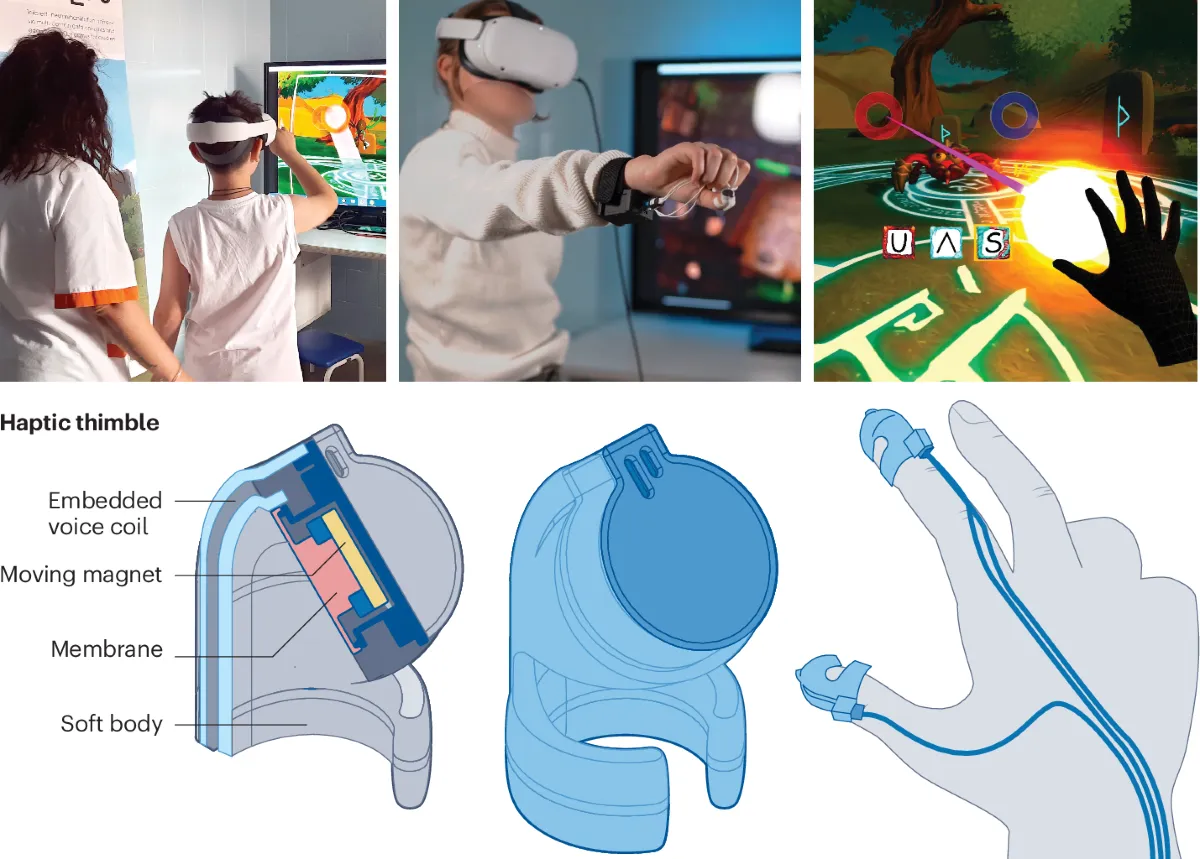
Between mobile and console/PC headsets, a range of standalone headsets (all-in-one VR devices) has emerged. Peripheral manufacturers such as Leap Motion (gesture controllers), Virtuix Omni (VR treadmill), and Manus VR (data gloves) are refining complementary hardware to make VR experiences more natural and immersive.
Content and market development
In the short term hardware development will diversify, but with mainstream headsets now on the market, attention is shifting toward content. A lack of quality content is a critical barrier to wider adoption. Building effective VR content is in many ways more difficult than developing hardware. While VR headsets have decades of research behind them, VR content production is a new field; companies are still experimenting to find effective formats by combining traditional storytelling and interactive techniques with new technical possibilities.
There have been tangible results. VR was initially seen as most suitable for gaming; a company in Beijing organized the first global VR esports tournament (WVA), drawing domestic and international players. Several horror VR games achieved notable effects, with titles such as the Kitchen provoking strong reactions from players.
Subsequently, filmmakers and studios recognized the potential of VR for cinematic content. Oculus launched Oculus Story Studio to focus on VR content and recruited talent from major animation and film studios. The studio released representative works including Lost, Henny, Dear Angelica, and Bullfighter. Two weeks ago, the first VR cinema opened in Amsterdam with plans to expand to multiple European countries.
VR applications extend beyond gaming and film. Potential uses include live television, news reporting, medical and cosmetic applications, travel, and sports training. Current technical limits constrain some applications, but as the technology advances these markets could approach the scale of gaming and film.
Even so, VR remains somewhat distant from everyday life for many people. Device availability matters, but lack of compelling content is a key reason users may regard VR as optional rather than essential. Nevile Spiteri, CEO of the open VR platform and community WEVR, argues that VR content production should start small: iterating on short-form works to identify user pain points and market directions is more meaningful than attempting a large, error-prone production.
Outlook
Public skepticism about VR's prospects is diminishing and more companies are entering the field. VR development is accelerating. For companies already in the market, keeping pace with technical progress is essential. For new entrants, quickly understanding the environment and clarifying a strategic direction is urgent. In this early stage of an emerging technology, any company or individual could become a significant participant in the evolving VR landscape.