ALLPCB


What is virtual reality?
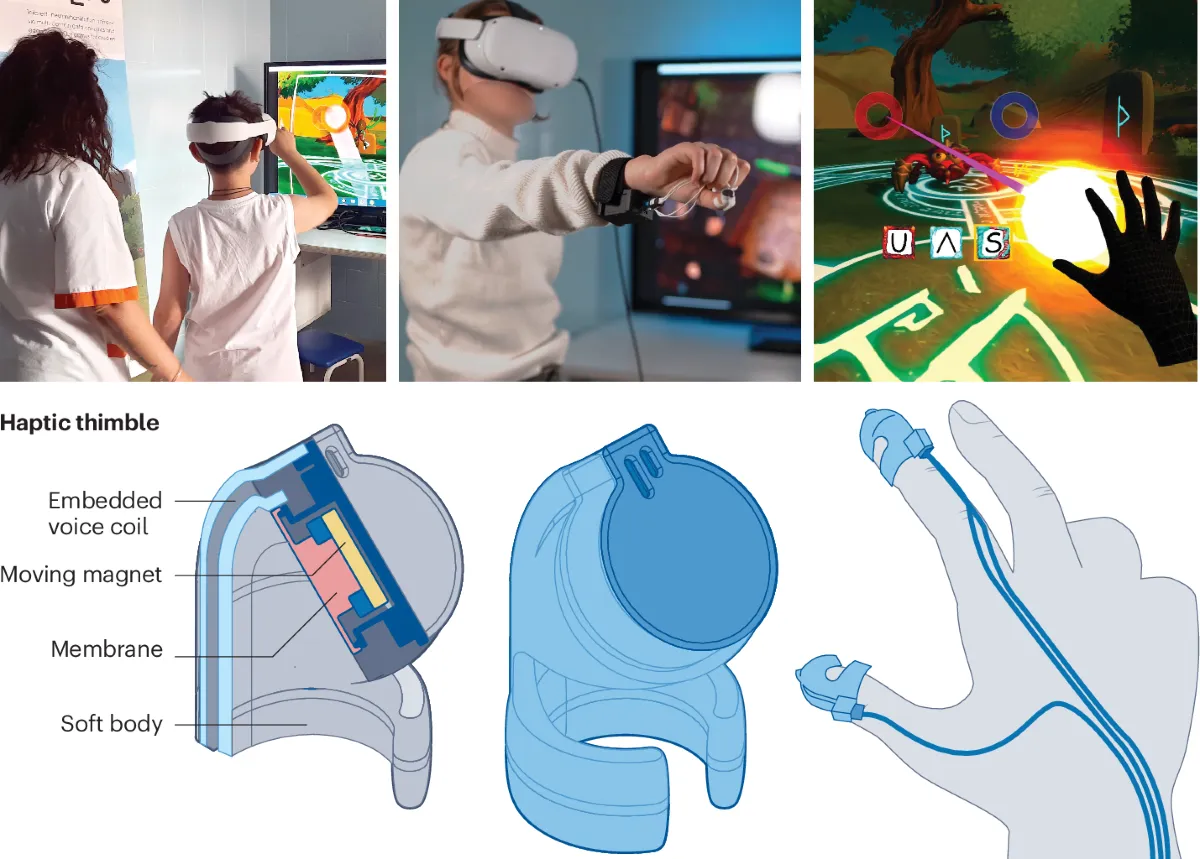
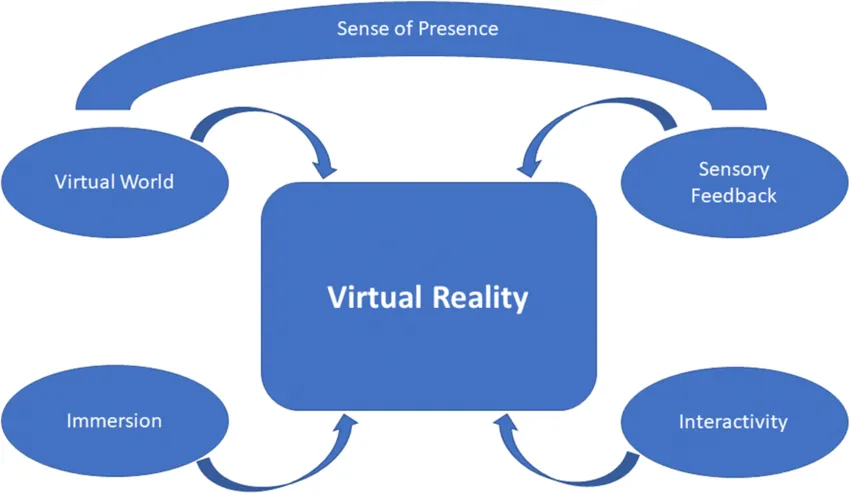
Virtual reality (VR) refers to the integration of virtual and real elements. Technically, VR is a computer-based simulation system that can create and let users experience virtual worlds. It uses computer-generated simulated environments to immerse users. VR converts real-world data into electronic signals through computing, and combines those signals with various output devices to produce perceivable phenomena. These phenomena can represent tangible real-world objects or materials not visible to the naked eye, typically expressed through 3D models. Because these experiences are simulated by computers rather than directly perceived, they are called virtual reality.
What is the metaverse?
The metaverse is a virtual world constructed using digital technologies. It is a virtual space that maps to or extends beyond the physical world and can interact with the real world. The metaverse functions as a digital living space that supports new forms of social systems.
Connections and differences between virtual reality and the metaverse
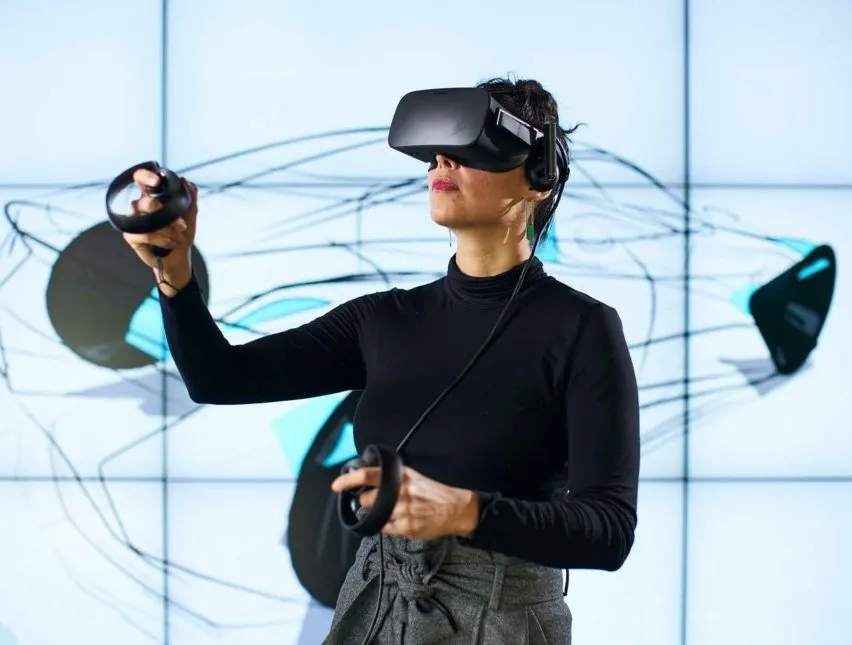
Virtual reality refers to the use of computer-generated images, sound, and related technologies to place users in a simulated environment, creating an immersive experience. The metaverse is a broader virtual "universe" built on technologies such as VR; it is a virtual space with physical and social attributes that aims to simulate aspects of the real world.
Connections
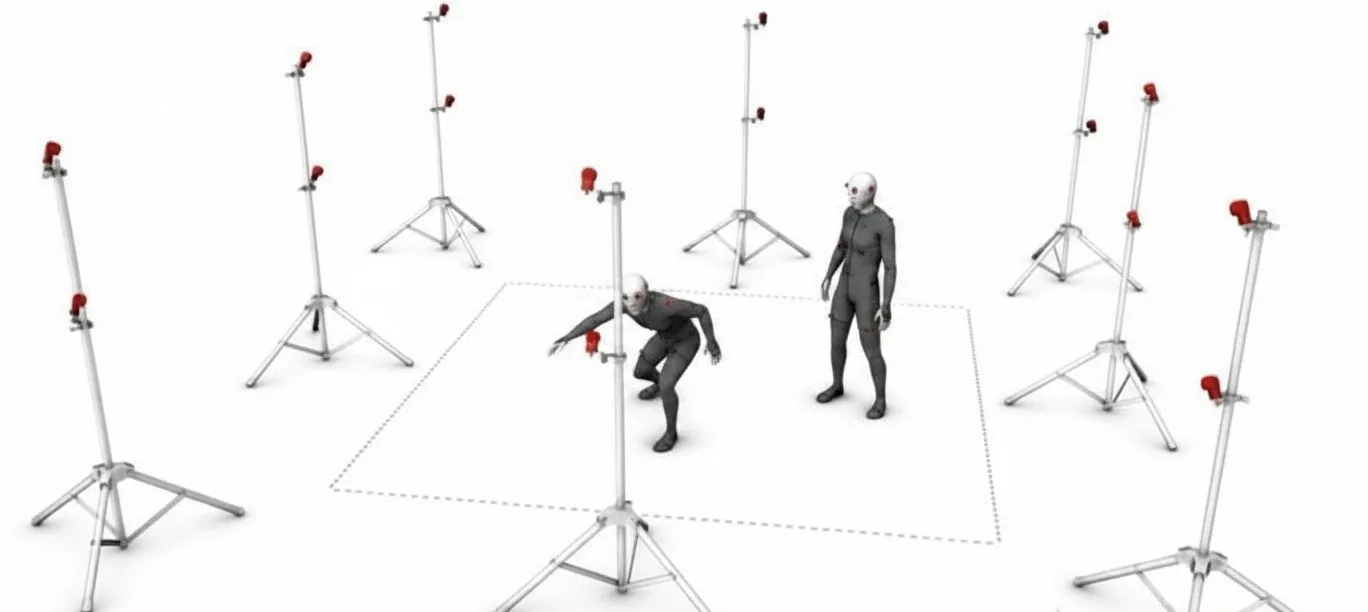
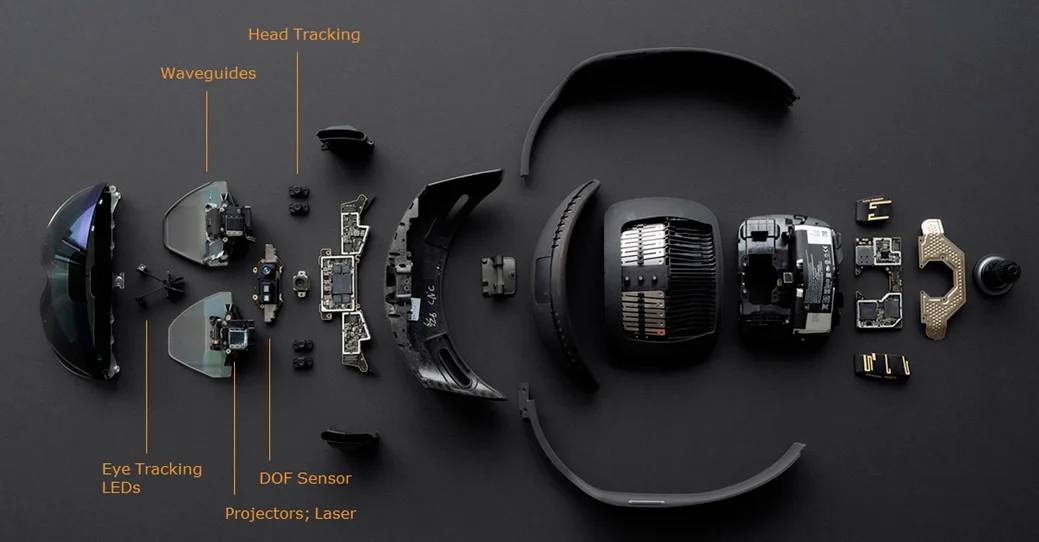
- Technical support: Both rely on computer graphics, computer vision, skeletal motion-tracking, and related technologies.
- Immersive experience: Both aim to provide users with deeply immersive experiences that engage the senses.
- Application scenarios: Both can be applied across games, entertainment, education, healthcare, military training, and other fields.
Differences
- World characteristics: A VR environment is typically an isolated, nonphysical simulation. The metaverse is conceived as an extensive virtual space tightly connected to the real world and capable of ongoing expansion.
- Content composition: VR content is often produced by a single program or application that can sense and respond to user actions. The metaverse consists of multiple interconnected virtual spaces that support navigation and interaction between them.
- Technological evolution: VR evolved from research and development dating back to the 1980s. The metaverse concept has emerged more recently alongside advances in AR and VR technologies.
Development prospects
Both VR and the metaverse are advancing rapidly, and their future prospects are broad.
VR prospects: VR technology continues to move toward higher fidelity and realism. As the technology improves, VR will increasingly approximate reality and enable full immersion, with broad applications in gaming, entertainment, healthcare, transportation, and more.
Metaverse prospects: With continued development of VR and augmented reality, the metaverse is expected to become a highly connected and integrated virtual space linked to the real world. It may enable new applications across entertainment, gaming, education, healthcare, and other domains.
Applications
- Games and entertainment: VR and metaverse technologies offer more realistic gaming and entertainment experiences and are used in games, virtual cinemas, and related areas.
- Education and training: These technologies can create simulated environments for efficient and realistic training and education, including medical training and military simulations.
- Architecture and real estate: VR can produce virtual building models, and metaverse concepts can enable interactive virtual real estate showcases, improving visualization for interior design, virtual property tours, and GIS mapping.
- Medical and health: VR and metaverse technologies support solutions such as surgical simulation, rehabilitation and therapy, psychological treatment, and telehealth consultation.
- Media and social: These technologies enable virtual social platforms, including social networking services and VR social games, and support applications such as air quality monitoring and smart home integration.