ALLPCB


Introduction
Solder ball defects represent one of the most persistent challenges in surface mount technology assembly, particularly during reflow soldering processes. These small, spherical solder deposits form outside intended joints and can lead to electrical shorts, reliability failures, and costly rework. Engineers often trace these issues back to inconsistencies in solder paste application and behavior under thermal stress. Solder paste mixers play a critical role in mitigating solder ball defects by ensuring uniform dispersion of metal particles within the flux medium. This homogeneity directly influences paste performance during printing and reflow, reducing the likelihood of splattering or expulsion. Understanding this equipment's impact helps assembly teams achieve higher yields and meet stringent quality requirements.
Understanding Solder Ball Defects in Reflow Soldering
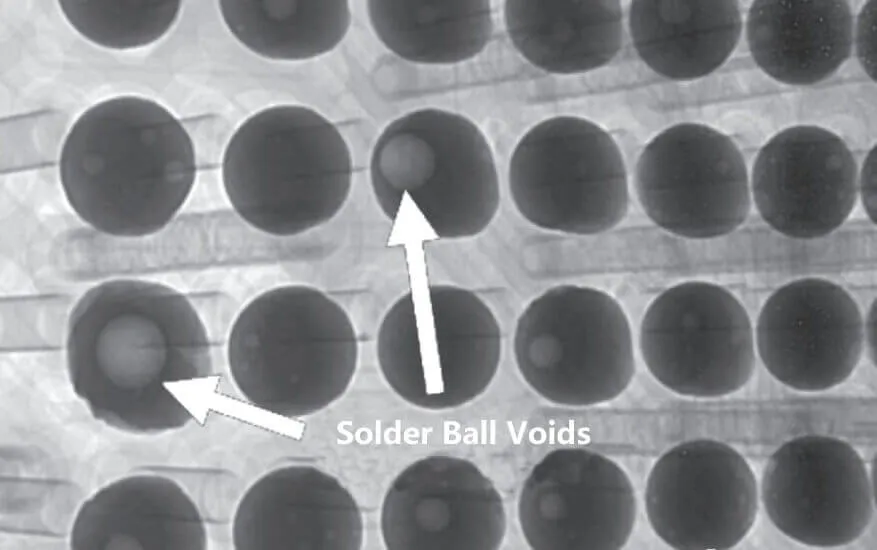
Solder balls appear as discrete spheres of solder that fail to coalesce into proper joints during reflow. They typically range from microscopic to visible sizes and scatter across the printed circuit board surface. According to IPC-A-610 standards, solder balls exceeding certain dimensions or densities constitute defects, especially if they pose bridging risks between conductors. Primary causes include trapped moisture in the paste or board, which vaporizes rapidly and expels solder particles. Rapid heating rates in the preheat zone, often above recommended limits, exacerbate splattering by disrupting the paste's viscosity. Poor stencil printing, such as excessive paste volume, also contributes by overloading pads and promoting de-wetting during reflow.
Inconsistent solder paste formulation amplifies these risks, as separated flux and powder lead to uneven melting. Flux that activates too slowly fails to wet the particles adequately, resulting in expulsion. Vibration during handling or transport can further disturb settled paste, introducing air pockets that burst in the oven. Engineers must inspect post-reflow boards under magnification to quantify ball counts per unit area, correlating them to process variables. Addressing root causes requires a systematic approach starting from paste preparation. Proactive measures at this stage prevent downstream reflow soldering defects.
The Link Between Solder Paste Consistency and Solder Balls
Solder paste consists of fine metal alloy spheres suspended in a flux vehicle, typically achieving 85 to 90 percent metal loading by weight. Over time, especially after storage, gravitational separation occurs, with denser particles settling and flux rising. This stratification causes inconsistent viscosity and poor printability, leading to solder ball formation during reflow. Inhomogeneous paste releases trapped gases unevenly, propelling particles outward as the flux volatilizes. Maintaining solder paste consistency directly correlates with solder ball reduction, as uniform mixtures promote controlled coalescence.
Shear forces during printing can temporarily align particles, but without prior mixing, the paste reverts to instability in the reflow profile. High metal content pastes demand even greater homogeneity to avoid agglomeration. Testing via slump or solder ball evaluations, as outlined in J-STD-005, quantifies these behaviors under simulated conditions. Engineers observe that well-mixed paste exhibits minimal mid-chip balling, a common failure mode near component edges. Flux chemistry interacts with particle distribution, where imbalances trigger de-wetting. Optimizing consistency through mixing transforms potential defects into reliable joints.
How Solder Paste Mixers Address Inconsistencies
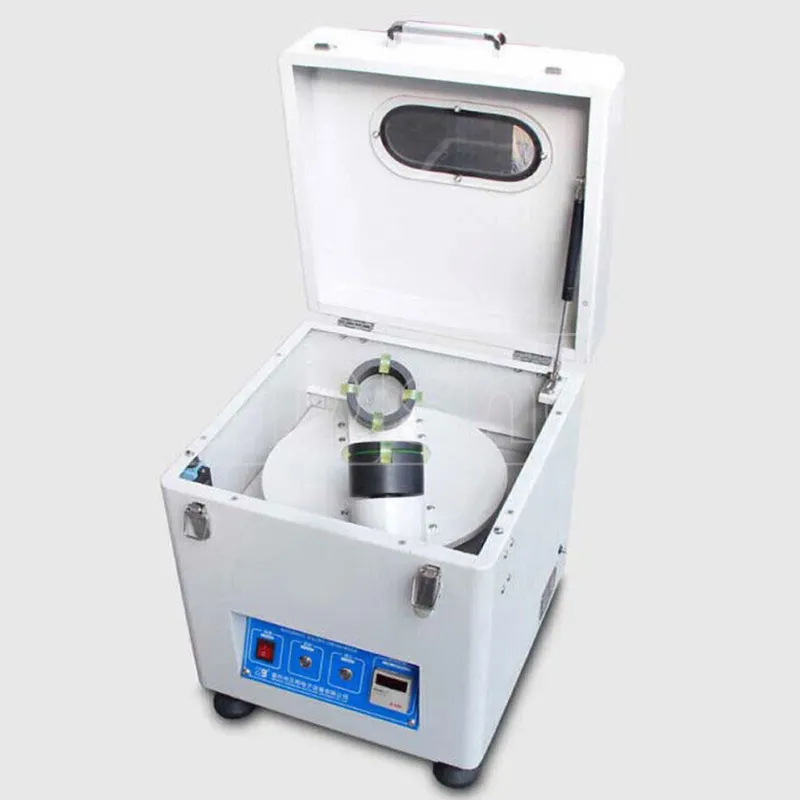
Solder paste mixers restore homogeneity by applying controlled rotation, planetary motion, or high-shear agitation to blend powder and flux thoroughly. These devices eliminate micro-bubbles and voids introduced during manufacturing or storage, which otherwise expand violently in reflow ovens. By achieving uniform particle dispersion, mixers enhance viscosity stability across the paste batch. This prevents separation that leads to solder paste mixer solder balls during thermal ramp-up. Typical cycles last minutes at room temperature, ensuring the paste reaches optimal shear-thinned state for printing.
Automated mixers outperform manual stirring by providing repeatable shear stress without introducing contaminants. They counteract settling without overworking the flux, preserving activation properties. Post-mixing, the paste prints cleaner apertures and reflows with reduced splatter. Data from assembly lines show significant drops in defect rates after implementing routine mixing protocols. Engineers appreciate the mixers' ability to handle various paste types, from Type 4 to Type 6 powders. Integration into the SMT line streamlines preparation, minimizing human variability.
Best Practices for Solder Paste Mixing to Minimize Defects
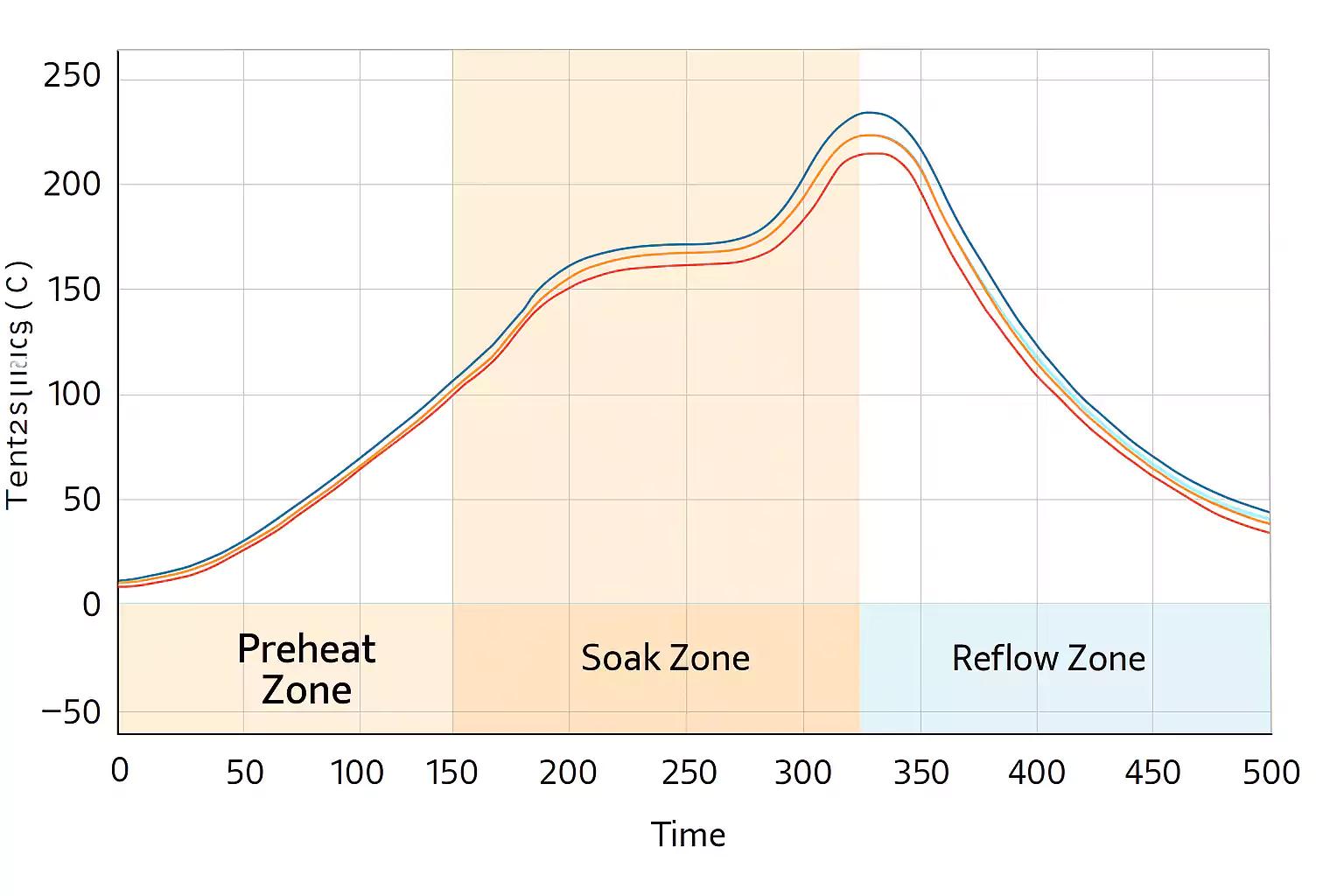
Begin by allowing paste to acclimate to ambient temperature before mixing, avoiding condensation that traps moisture. Use a dedicated mixer for 2 to 5 minutes per jar, following manufacturer viscosity guidelines. Verify homogeneity visually and via slump tests before dispensing to stencils. This solder paste mixing for solder paste consistency solder balls reduction protocol aligns with process controls in high-volume production. Complement mixing with optimized reflow profiles, limiting preheat ramps to under 4 degrees Celsius per second.
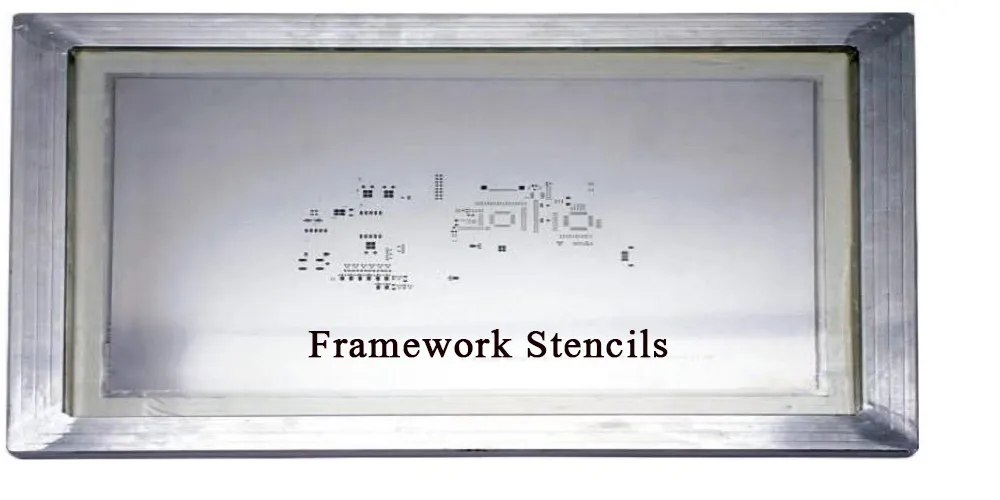
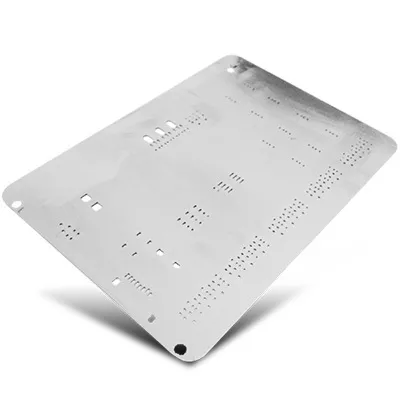
Stencil maintenance prevents excess paste deposition, a key solder ball precursor. Clean stencils between prints and adjust squeegee pressure for uniform transfer. Store mixed paste in sealed containers at controlled humidity to extend usability. Monitor incoming paste lots for initial consistency, rejecting those prone to separation. J-STD-001 requirements emphasize secure joints free of loose balls, reinforcing the need for these practices. Regular audits of mixing logs correlate directly with yield improvements.
Post-mixing inspections using automated optical systems catch anomalies early. Collaborate with suppliers on paste formulations suited to your reflow oven capabilities. Train operators on mixer loading techniques to avoid air entrapment. These steps collectively tackle reflow soldering defects at their source.
Troubleshooting Persistent Solder Ball Issues
When solder balls persist despite mixing, profile the reflow oven using thermocouples on test boards. Adjust soak times to ensure full flux activation without excessive flux-off gassing. Check for board contamination or warpage that disrupts paste flow. Mid-chip balling often signals hot slump issues; select pastes with robust rheology. If balls cluster near fine-pitch components, reduce stencil thickness or aperture size proportionally.
Moisture sensitivity demands baking components per JEDEC J-STD-020 guidelines before assembly. Review printer logs for pressure spikes causing paste slumping. Simulate defects in lab reflow to isolate variables like powder type. Cross-section failed joints to visualize particle distribution failures. Iterative tweaks, starting with paste preparation, resolve most cases efficiently.
Conclusion
Solder paste mixers stand as essential tools in combating solder ball defects by guaranteeing paste uniformity critical for reliable reflow outcomes. Consistent mixing eliminates separation, bubbles, and viscosity drifts that spawn these issues. Integrating mixers with refined printing, profiling, and inspection yields robust assemblies compliant with industry benchmarks. Engineers benefit from fewer touch-ups, higher throughput, and enhanced product reliability. Prioritizing solder paste consistency solder balls management elevates overall SMT process control. Proactive adoption of these practices drives defect rates toward zero.
FAQs
Q1: How does a solder paste mixer specifically reduce solder ball defects?
A1: Solder paste mixers achieve thorough blending of metal particles and flux, preventing separation that leads to uneven reflow behavior. This homogeneity minimizes gas entrapment and splattering during preheat and reflow phases. Engineers report lower solder ball counts post-mixing, as uniform viscosity promotes proper coalescence on pads. Routine use aligns with best practices for high-yield SMT lines.
Q2: What are the main causes of solder ball defects in reflow soldering?
A2: Common triggers include moisture vaporization, rapid heating rates, and inconsistent solder paste. Poor flux activation or excess paste volume from printing also contributes. IPC-A-610 classifies loose balls as defects if they risk shorts. Troubleshooting starts with paste preparation and profile optimization.
Q3: Can manual stirring replace a solder paste mixer for solder ball reduction?
A3: Manual methods often fail to achieve uniform shear, leaving voids and separation intact. Automated mixers provide consistent agitation, eliminating bubbles that cause solder paste mixer solder balls. For production scales, mixers ensure repeatability and reduce variability. Test both via reflow trials to quantify differences.
Q4: How often should solder paste be mixed to prevent reflow soldering defects?
A4: Mix fresh jars upon opening and before each printing session, especially after storage. Acclimate to room temperature first, then agitate for specified cycles. This maintains solder paste consistency solder balls prevention throughout shifts. Monitor via process controls for ongoing efficacy.
References
IPC-A-610H — Acceptability of Electronic Assemblies. IPC, 2018
J-STD-001GS — Requirements for Soldered Electrical and Electronic Assemblies. IPC, 2020
J-STD-005B — Testing Variability of Solder Pastes Used in Electronics Manufacturing. IPC, 2011
J-STD-020E — Moisture/Reflow Sensitivity Classification for Nonhermetic Surface Mount Devices. JEDEC, 2014