ALLPCB


Introduction
Solder paste plays a critical role in surface mount technology assembly lines, serving as the medium that bonds components to printed circuit boards. The process of mixing solder paste ensures uniformity in particle distribution and flux activity, which directly influences print quality and assembly reliability. However, improper mixing practices contribute significantly to the solder paste mixer environmental impact through increased waste generation. Discarded paste, laden with metal particles and chemical fluxes, poses challenges for disposal and recycling in manufacturing facilities. Optimizing solder paste usage aligns with broader sustainability goals in electronics production. This article explores strategies for solder paste waste reduction and solder paste optimization to support green SMT initiatives.
Understanding Solder Paste Mixing and Its Environmental Relevance
Solder paste consists of finely divided solder alloy powder suspended in a flux vehicle, requiring periodic mixing to prevent settling and separation. In high-volume production, manual or automated mixing restores the paste's rheological properties for consistent stencil printing. The environmental relevance stems from the paste's composition, which includes heavy metals that classify waste as hazardous if not managed properly. Excessive waste arises from expired shelf life, contamination during handling, or suboptimal mixing that leads to printing defects and rework. Factory-driven insights emphasize that solder paste shelf life management directly impacts operational costs and ecological footprints. Adopting precise mixing protocols minimizes over-application and discards, fostering sustainable practices in PCB assembly.
Mechanisms Behind Solder Paste Degradation and Waste
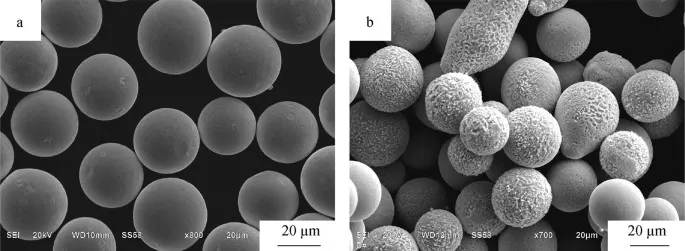
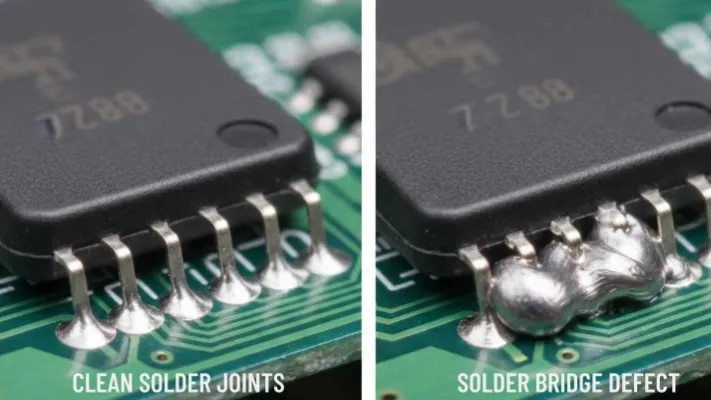
Solder paste degradation begins with gravitational settling of metal particles, exacerbated by prolonged storage or temperature fluctuations. Exposure to ambient humidity causes flux activation or oxidation, altering viscosity and slump resistance over time. Inadequate mixing fails to recombine these separated phases, resulting in inconsistent deposits that cause bridging or insufficient solder volume during reflow. Such defects necessitate cleaning and reprinting, amplifying material consumption and energy use in the assembly process. According to IPC J-STD-005, solder paste must exhibit stable properties like particle size distribution and flux activity to ensure reliable performance. These mechanisms highlight how poor handling accelerates waste, underscoring the need for controlled environments in SMT lines.
Temperature control during storage and mixing prevents premature flux degradation, which shortens usable life and increases disposal volumes. Air incorporation during manual mixing introduces oxidation risks, further compromising paste stability. Vibration from production equipment can also promote phase separation if not addressed through regular remixing. Engineers must recognize these factors to implement preventive measures that extend usability. Waste from degraded paste contributes to landfill burdens and resource depletion, as recovering metals from mixed residues proves inefficient. Proactive monitoring of these degradation paths supports solder paste waste reduction efforts.
Best Practices for Solder Paste Handling and Mixing
Effective solder paste optimization starts with refrigerated storage to preserve shelf life, followed by gradual thawing in controlled conditions to avoid condensation. Automated solder paste mixers provide uniform agitation without introducing contaminants, outperforming manual methods in consistency and efficiency. Operators should mix paste for a standardized duration based on volume, ensuring homogeneity before loading into printers. Portioning paste into smaller cartridges reduces exposure time on the production floor, minimizing oxidation and waste from unused remnants. Regular viscosity checks using slump or print tests validate mix quality, preventing downstream defects. These practices align with factory standards for repeatable processes.

Implementing a first-in, first-out inventory system prevents overstocking and expiration of paste lots. Calibration of mixing equipment maintains optimal shear rates, avoiding overworking that could degrade flux properties. Training personnel on handling protocols reduces spillage and contamination incidents. Integrating environmental monitoring, such as humidity and temperature loggers near storage and mixing stations, safeguards paste integrity. Documentation of mix cycles and usage rates enables data-driven adjustments for further optimization. Such systematic approaches yield measurable reductions in solder paste waste.
Strategies for Waste Reduction in Green SMT Assembly
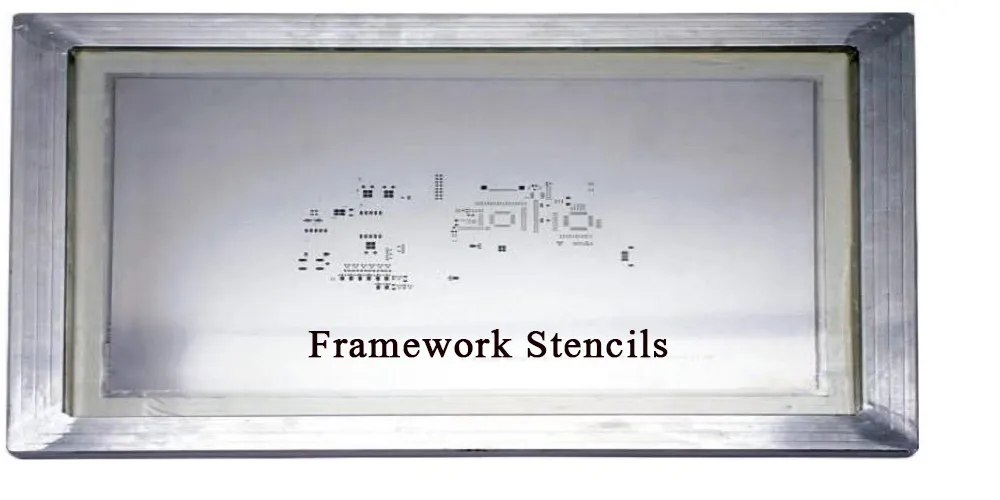
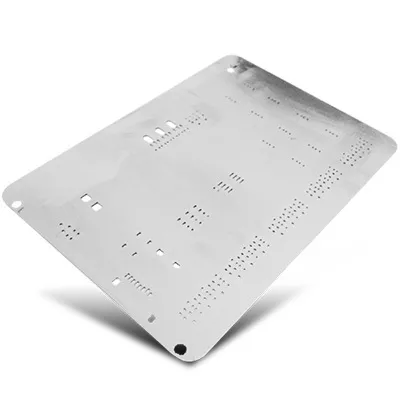
Green SMT emphasizes holistic material management, where solder paste optimization integrates with stencil design and printing validation. Precise stencil apertures, guided by industry guidelines, deposit exact volumes, curtailing excess paste squeeze-out. Recycling programs for printer wipers and reclaimed paste recover viable material, though purity verification remains essential. Transitioning to low-residue fluxes lowers cleaning chemical use and disposal impacts. According to IPC J-STD-001, soldered assemblies must meet cleanliness criteria, influencing paste selection for minimal post-reflow residues. These strategies collectively diminish the solder paste mixer environmental impact.
Advanced mixing protocols incorporate vacuum degassing to remove air voids, enhancing print fidelity and reducing rework paste consumption. Collaborative forecasting between procurement and production teams matches paste orders to demand, curbing excess inventory. Energy-efficient mixers with variable speeds optimize power draw during operation. Auditing waste streams identifies leakage points, such as overfilled cartridges or improper disposal. Emphasizing these elements promotes a circular approach in SMT, extending beyond paste to overall process sustainability.
Case Insights from Factory Implementations
In typical high-mix SMT facilities, introducing dedicated mixing stations halved waste from inconsistent manual handling. Engineers observed improved stencil release and fewer voids after standardizing thaw-mixing-print cycles. One facility reported streamlined workflows by adopting programmable mixers synced to production schedules, directly boosting solder paste shelf life utilization. Challenges like humidity spikes were mitigated with dehumidifiers, preventing flux absorption issues. These insights, drawn from standard-aligned operations, demonstrate scalable paths to green SMT. Continuous improvement loops, involving defect analysis, refine practices over time.
Conclusion
The solder paste mixer environmental impact hinges on handling precision, where waste reduction hinges on proactive optimization. Key mechanisms like settling and oxidation drive discards, but best practices in storage, mixing, and monitoring counteract them. Factory-driven strategies, supported by standards such as IPC J-STD-005 and IPC J-STD-001, enable reliable green SMT execution. Engineers benefit from uniform paste performance, lower disposal burdens, and resource efficiency. Prioritizing these elements positions assembly operations for long-term sustainability. Ultimately, optimized solder paste usage reduces ecological footprints while upholding quality.
FAQs
Q1: How does proper solder paste mixing contribute to solder paste waste reduction?
A1: Consistent mixing restores homogeneity in settled particles and flux, preventing printing defects that lead to rework and excess discards. Automated solder paste mixers ensure uniform shear without contamination, extending usable volumes per cartridge. Factory protocols emphasize timed agitation post-thawing, aligning with standards for viscosity stability. This approach minimizes hazardous waste streams in SMT lines.
Q2: What factors influence solder paste shelf life in green SMT environments?
A2: Storage temperature, humidity exposure, and handling frequency primarily dictate shelf life duration. Refrigerated conditions slow degradation, while controlled thawing avoids moisture ingress. Regular but minimal mixing preserves flux activity without overworking the paste. Engineers track these via environmental logs to maximize usability and support waste reduction goals.
Q3: Why is solder paste optimization essential for reducing environmental impact?
A3: Optimization curtails over-application and expiration losses, lowering metal-laden waste volumes headed to disposal. Precise mixing enhances print accuracy, reducing energy-intensive rework cycles. Integration with stencil validation per industry guidelines minimizes residues. These steps advance green SMT by conserving resources and easing recycling efforts.
Q4: How can factories implement solder paste mixer environmental impact controls?
A4: Deploy temperature-controlled storage, automated mixers, and portion control systems for immediate gains. Monitor viscosity pre-printing to validate mix quality. Train on first-in-first-out rotation to prevent shelf life overruns. Auditing integrates data for ongoing refinements in sustainable SMT practices.
References
[IPC J-STD-005 - Requirements for Soldering Pastes. IPC]
[IPC J-STD-001 - Requirements for Soldered Electrical and Electronic Assemblies. IPC]
[IPC-7525 - Stencil Design Guidelines. IPC]