ALLPCB


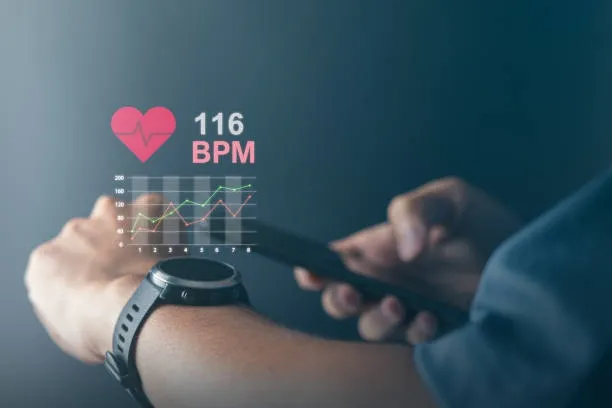
After Apple introduced the Apple Watch smartwatch, public interest in wearable devices surged. Although wearables remain prominent, they may be an interim step: the next frontier of technology is shifting from outside the body to inside it. Below are nine rapidly developing implantable technologies that could become part of daily life and the body.
Implantable smartphones
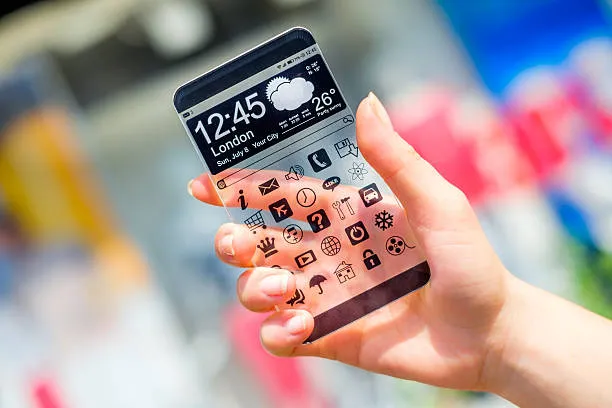
We are already virtually connected to our phones around the clock, but what if a physical connection were possible? In 2013, artist Anthony Antonellis implanted an RFID chip into his arm as a "digital tattoo" to store and transfer images to a smartphone. Researchers are testing embedded sensors that turn bones into living acoustic transmitters. Other teams are investigating eye implants that capture images via blinking and send them to nearby storage. Questions remain about where a display would appear if a smartphone were implanted; engineers at the well-known multinational software firm Autodesk are testing a system that can project images through artificial skin. Images could also appear on an eye implant.
Therapeutic chips
Patients can already use internet-connected implants that interface with smartphone apps to monitor and treat conditions. Boston University is testing a bionic pancreas with tiny sensors on an implantable needle that communicate directly with smartphone apps that monitor blood glucose in diabetes patients. Researchers in London are developing a capsule-sized circuit to monitor fat levels in obese patients and produce genetic signals that induce satiety; the circuit is intended as an alternative to surgery or other weight-loss methods. Numerous teams are also developing implants to monitor cardiac conditions.
Networked pills that talk to physicians
Implantable devices can communicate not only with phones but also with physicians. In the Proteus project, researchers are developing networked pills that contain a microprocessor and can send messages from inside the body directly to clinicians. These pills can share internal physiological information to help physicians assess health status and medication effectiveness.
Implantable contraceptive devices
The Bill & Melinda Gates Foundation funded a project at MIT to develop an implantable, remotely controllable contraceptive for women. The microchip releases small doses of contraceptive hormones and can remain active for up to 16 years. The implant is more invasive than a tattoo but is designed so the user can control the device's on/off state.
Smart tattoos
Tattoos are widespread as a fashion statement, so researchers have explored integrating functionality into them. Smart tattoos can perform useful functions such as unlocking a car or a smartphone. Researchers at the University of Illinois developed an implantable computer fiber skin grid, finer than a human hair, capable of monitoring physiological signals from the inside out. A company called Dangerous Things developed an NFC chip that can be implanted in a finger like a tattoo for unlocking or access. A team in Texas has investigated injectable microparticles under the skin to track metabolic processes.
Brain-computer interfaces
Direct connections between the human brain and computers, once science fiction, are being pursued in clinical research. The BrainGate team at Brown University has implanted aspirin-sized electrodes in the brain; early studies show that neural signals can be decoded in real time and used to control external devices. Chip manufacturers such as Intel predicted practical applications for brain-computer interfaces by 2020. An Intel scientist, Dean Pomerleau, wrote that eventually people may accept implants in the brain that allow actions such as browsing the web by thought alone.
Biodegradable bio-batteries
A major challenge for implants is power. Removing a device to replace a battery is difficult, so researchers are developing biodegradable batteries that generate power in the body, wirelessly transmit it to where it is needed, and then dissolve. Other approaches include harvesting energy from body glucose and experimenting with miniature biological batteries.
Smart dust
One of the most surprising classes of implantables is smart dust: arrays of microcomputers with antennas, each smaller than a grain of sand, that can self-assemble into networks inside the body and handle complex internal tasks. These nanoscale devices could target early-stage cancer cells, mitigate wound pain, or securely store personal data. With smart dust, clinicians might perform procedures inside the body without traditional surgery, and the stored information would form a personal nanoscale network accessible only by authorized decryption.
Privacy, identification, and social concerns
Implantable technologies raise social and ethical questions about privacy and control. They could be used for personal identification. The U.S. military has strict procedures for implanting RFID ID chips in soldiers to track forces globally. Some argue that expanded ID use could improve crime prevention, election integrity, and medical response, while others warn it could enable pervasive surveillance and control. Some commentators view such technologies as a step toward a technological singularity, where new technologies become powerful beyond current understanding.