ALLPCB


Introduction
Gold fingers on printed circuit boards serve as critical edge connectors that enable reliable electrical contact in devices like expansion cards and memory modules. These gold-plated strips ensure low-resistance connections despite repeated insertions and removals. However, gold finger corrosion can compromise signal integrity, leading to intermittent failures or complete device malfunctions that frustrate electronic hobbyists during repairs or upgrades. Understanding the root causes of this issue helps hobbyists maintain their projects effectively. This article explores the mechanisms behind gold finger corrosion and shares practical strategies for prevention and remediation.
What Are Gold Fingers and Why Does Corrosion Matter?
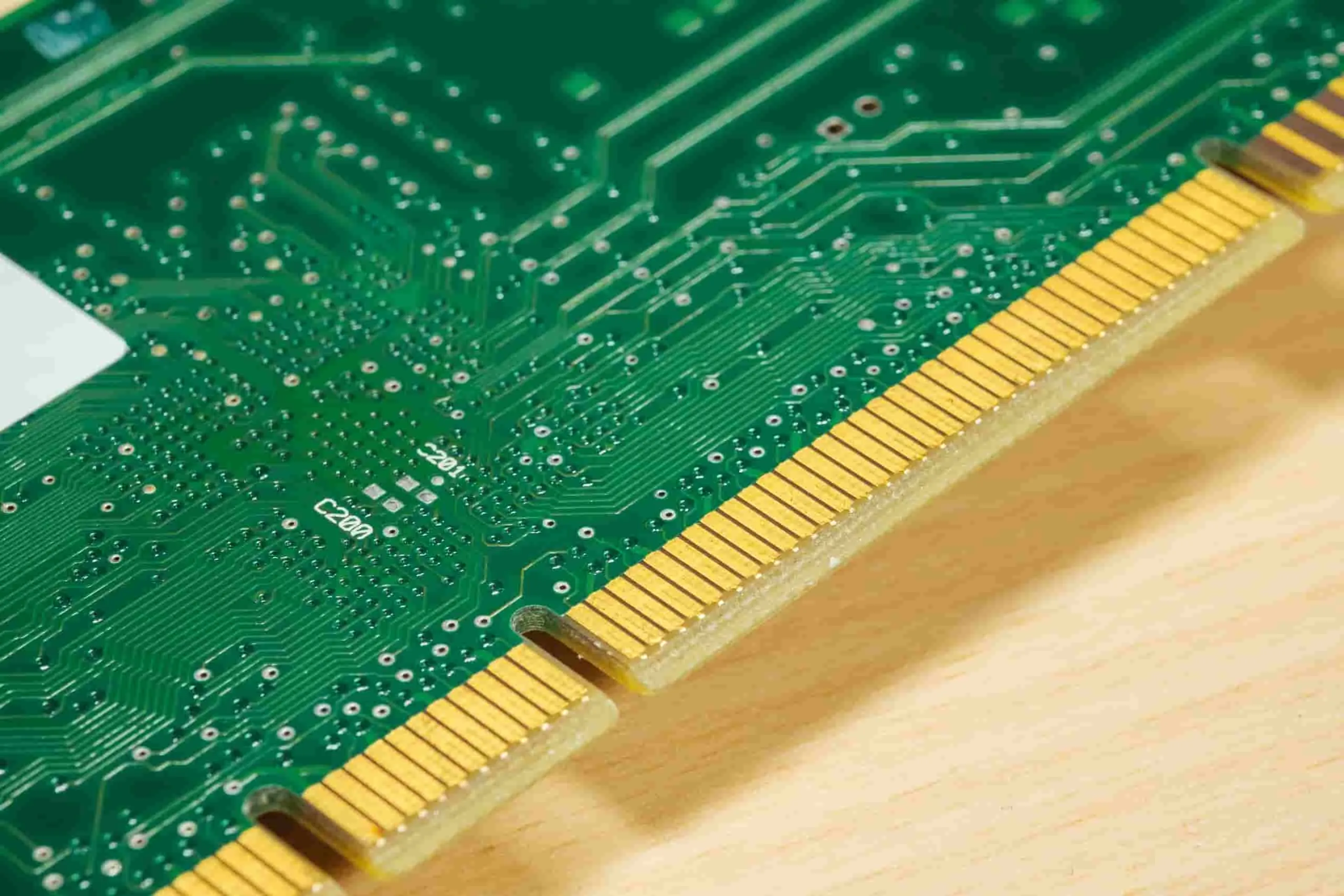
Gold fingers are the plated metallic contacts along the edge of a PCB designed to mate with sockets or slots in electronic systems. The thin layer of gold over a nickel barrier provides excellent conductivity and resistance to wear. Corrosion on these fingers manifests as discoloration, tarnish, or pitting, which increases contact resistance and causes unreliable connections. For electronic hobbyists working on retro computers, graphics cards, or custom builds, this corrosion means troubleshooting power issues or data errors that disrupt projects. Addressing gold finger corrosion early prevents costly rework and extends the life of salvaged or homemade boards. Industry standards like IPC-6012 outline performance requirements to ensure these connectors withstand typical use.
In hobbyist applications, pristine gold fingers guarantee smooth insertions and stable performance during testing on breadboards or in enclosures.
Causes of Gold Finger Corrosion
Gold finger corrosion often starts with microscopic defects in the plating that allow environmental aggressors to attack underlying layers. Pinholes or thin spots in the gold expose the nickel barrier, which corrodes faster and leads to visible discoloration or blackening. Hobbyists frequently encounter this on older boards pulled from storage. Improper handling transfers skin oils, salts, and moisture directly onto the surface, accelerating tarnish through chemical reactions.
Environmental factors play a major role in gold finger corrosion, particularly high humidity combined with pollutants like sulfur compounds or salt spray. Moisture facilitates ion movement, promoting galvanic corrosion between gold, nickel, and exposed copper traces. In damp workshops or coastal areas, these conditions degrade fingers over months, turning shiny gold dull or pitted. Sulfides in the air form dark compounds on nickel, visible as purple or brown stains even under intact gold.
Plating quality issues during manufacturing contribute significantly to premature failure. Inadequate nickel underplating or uneven gold thickness fails to block diffusion, allowing contaminants to creep in. High assembly temperatures can embrittle the gold, making it prone to cracking and exposure. Poor storage without protective packaging exposes boards to dust, grease, and oxides that build up over time.
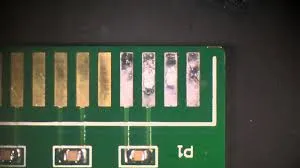
Galvanic effects arise when dissimilar metals contact in humid conditions, with copper acting as the anode. Hobbyists salvaging parts from mixed-metal environments see this as rapid pitting.
Implementing Effective Prevention Strategies
Preventing corrosion on gold fingers begins with design choices that prioritize durability for hobbyist projects. Specify hard gold plating with a robust nickel barrier layer during PCB fabrication to meet IPC-A-600 acceptability criteria for surface finishes. This alloyed gold resists wear from frequent plugging and provides a corrosion barrier. Adequate thickness, typically guided by standards like IPC-4556, ensures longevity without excessive cost.
Handle boards with cotton gloves or anti-static tools to avoid oils and salts from fingers. Store PCBs in sealed anti-static bags with desiccants in a cool, dry environment below 50% relative humidity. This simple step blocks most environmental factors affecting corrosion.
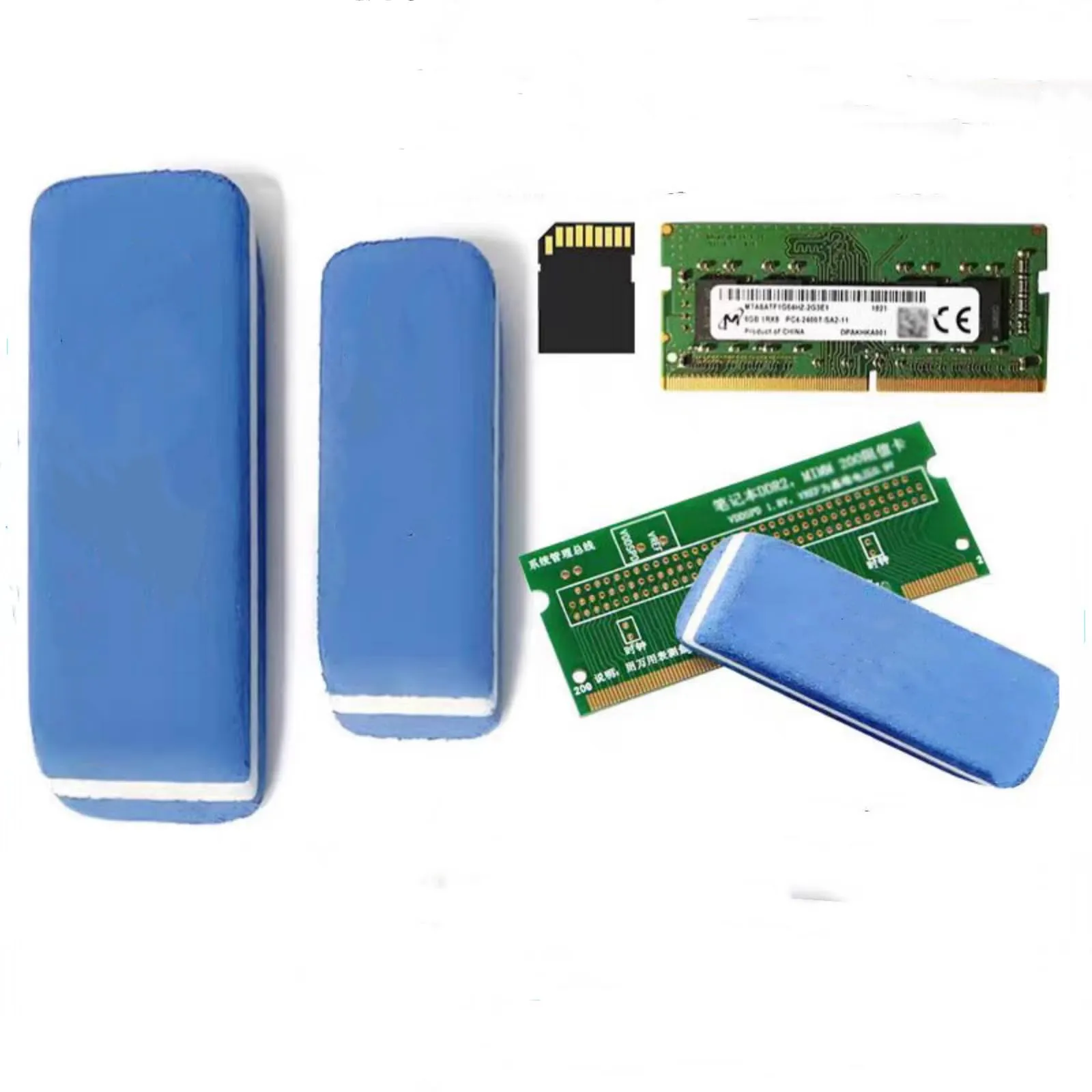
Regular cleaning keeps gold fingers functional for hobbyists. Use 99% isopropyl alcohol on a lint-free microfiber cloth for gentle wiping, evaporating quickly without residue. A soft pencil eraser works well for light oxidation, rubbing lightly to polish without abrading the thin gold layer. Avoid water-based solutions or abrasives that could scratch or trap moisture. Anhydrous ethanol offers another safe option for stubborn contaminants.
Conformal coatings protect the PCB body from moisture and pollutants but require careful masking on gold fingers. Apply tape or liquid mask to keep contact areas bare for electrical mating. This prevents coating buildup that would insulate connections while shielding nearby traces. Hobbyists can dip or spray coat after masking for custom enclosures.
Control assembly heat to under 150°C where possible, avoiding reflow profiles that embrittle plating. Test connections with a multimeter post-cleaning to verify low resistance.
Troubleshooting Gold Finger Corrosion Issues
Spotting early gold finger corrosion involves visual inspection under magnification for discoloration or residue. Measure contact resistance; values above 10 milliohms signal problems. For hobbyists, disassemble suspect cards and clean as described.
If corrosion persists after cleaning, check for plating delamination by tape test per IPC guidelines. Replace severely affected boards or replate edges if facilities allow. Environmental tweaks like dehumidifiers curb recurrence in workshops.
Document fixes in project logs to refine future practices.
Conclusion
Gold finger corrosion stems from plating flaws, handling errors, and environmental factors, but proactive measures restore reliability. Clean regularly with safe solutions, store properly, and mask during conformal coating applications. Following standards like IPC-6012 ensures robust designs. Hobbyists gain dependable electronics through these strategies, minimizing downtime.
FAQs
Q1: What causes gold finger corrosion most often in home workshops?
A1: High humidity and fingerprints top the list for gold finger corrosion, as moisture enables reactions with skin salts and air pollutants. Dust accumulation adds oxides over time. Prevent by using gloves and desiccants in storage bags. Regular isopropyl alcohol wipes maintain performance without damage.
Q2: What are effective cleaning solutions for gold fingers on old PCBs?
A2: Isopropyl alcohol or anhydrous ethanol on microfiber cloths safely removes contaminants from gold fingers. Soft erasers polish light tarnish gently. Avoid water or abrasives to prevent scratches. Dry thoroughly post-cleaning to block moisture-induced corrosion. Test resistance afterward.
Q3: How do environmental factors affect corrosion on gold fingers?
A3: Humidity above 60%, sulfur gases, and salt spray accelerate gold finger corrosion by attacking nickel underlayers through pinholes. Coastal or polluted areas worsen issues. Use sealed packaging and dehumidifiers for protection. Monitor workshop conditions regularly.
Q4: Can conformal coatings be used for preventing corrosion on gold fingers?
AX: Conformal coatings protect PCB surfaces but must mask gold fingers to keep contacts conductive. Apply tape before coating nearby areas. This strategy blocks environmental factors without insulating connectors. Remove masks cleanly post-cure.
References
IPC-6012E — Qualification and Performance Specification for Rigid Printed Boards. IPC, 2017
IPC-A-600K — Acceptability of Printed Boards. IPC, 2020
IPC-4556 — Specification for Electroplated Nickel/Electroplated Gold. IPC, 2019