ALLPCB


When medicine and technology combine, many science-fiction concepts can become reality. Medical devices sit at the intersection of biology and engineering, combining natural and artificial elements to improve human health. Below are several notable medical electronic products.
Bionic visual implants
Bionic retinal implants aim to help blind patients regain vision by placing a light-sensitive implant under the retina that detects light patterns and sends appropriate signals to the brain. The French company PiximVIEW is developing a system that uses a miniature camera mounted on a pair of glasses to detect incoming light. The light pattern is converted into infrared and transmitted to a coin-sized retinal microchip implant, which converts the signal into electrical pulses that stimulate the optic nerve.
Adhesive patch vital-sign monitor
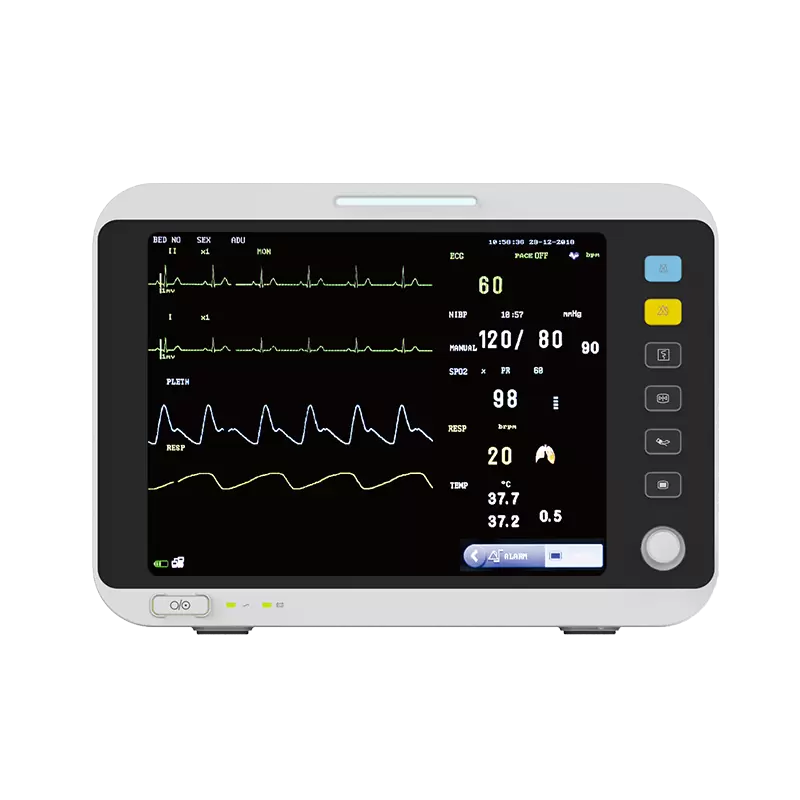
UK company Toumaz developed a wireless vital-sign transmitter shaped like an adhesive patch. The patient attaches the patch to the chest, and the device measures multiple vital signs and transmits the data in real time to a clinician's computer.
Bioprinting
Advances in 3D printing have made the creation of human tissue models possible. L'Oréal has used Organovo skin models to reduce animal testing, and BASF has collaborated with Poietis and CtiBiotech to improve skin models for drug testing. Beyond single-layer skin models, companies are pursuing medically relevant applications such as regenerating tissues and organs. In Spain, BioDan has printed skin for burn treatment, and in France, 3D.FAB is working on projects ranging from printing living ears to creating regenerative cardiac patches from stem cells.
Artificial heart
Heart failure affects millions worldwide, and donor organs are scarce. A company is developing an artificial heart made from biocompatible materials that can adjust cardiac output by measuring blood pressure. After an early patient died 75 days post-implantation and a trial pause, the company resumed clinical trials in Denmark, the Czech Republic, and Kazakhstan.
Bionic surgical sealants
Surgeons increasingly focus on post-operative recovery, and proper wound closure is critical. Gecko Biomedical in Paris drew inspiration from gecko adhesive to develop a light-activated, biocompatible, and biodegradable surgical sealant. Another company, Biom'up, has developed a surgical powder that constricts blood vessels to accelerate hemostasis.
Stem cell "gun"
Renovacare developed a device, often described as a "stem cell gun," that delivers a suspension of autologous stem cells to burn sites or wounds to accelerate skin healing. The stem cells are harvested from the patient's own skin and applied uniformly to the injured area, potentially yielding better outcomes than conventional skin grafts. A reported patient with 30% second-degree burns was discharged after four days following treatment, compared with the weeks and lifelong scarring often associated with grafting. Renovacare is preparing clinical trials.
Spinal cord regeneration implant
Because the human nervous system does not naturally regenerate damaged nerves, spinal cord injuries can cause severe, permanent disability. Swedish company BioArctic is developing a biodegradable medical device that protects nerve grafts extracted from the patient. As nerves regenerate, the device degrades and releases FGF1, a growth factor that promotes nerve regeneration and healing. BioArctic is conducting phase 1/2 clinical trials in Sweden, Estonia, and Norway.
Allergy immunotherapy patch
Allergic reactions are harmless for some people but life-threatening for others. French company DBV Technologies is developing a transdermal patch that delivers allergen immunotherapy through the skin. The patch gradually releases allergens so the immune system becomes desensitized. The primary application targets peanut allergy in children aged 4 to 11. In a phase 3 trial, 35% of treated children responded, although the response rate was not substantially higher than placebo; DBV is pursuing regulatory approval. A second application for milk allergy is in phase 2 trials.
Brain-machine interface
Similar technologies to virtual reality can have significant medical applications. Swiss company GTX is developing a brain implant intended to restore movement to paralyzed patients. The implant records brain signals and sends them to a computer that decodes which specific muscles should be stimulated and how. That information is then sent to implanted stimulators in the paralyzed limb to activate the correct muscles. The implant is designed to work in combination with a long-term rehabilitation program that has shown efficacy in primate studies; the company is working to translate the approach for human use.