ALLPCB


Overview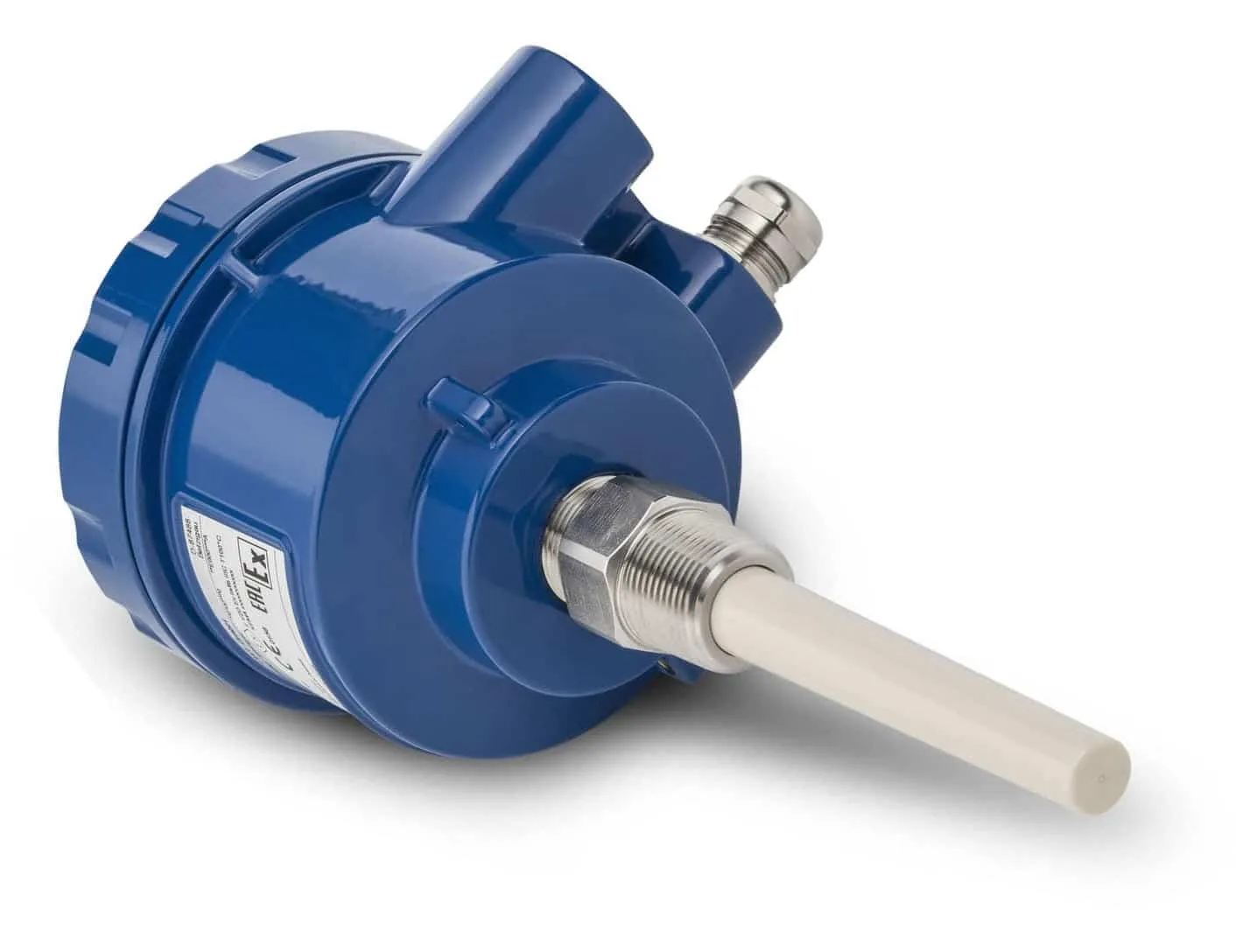
A liquid level sensor measures liquid level and is often implemented as a pressure sensor. Based on the principle that hydrostatic pressure is proportional to liquid height, sensors using isolated diffused-silicon sensing elements or ceramic capacitive pressure sensing elements convert static pressure into an electrical signal. After temperature compensation and linear correction, the signal is converted to a standard output (commonly 4-20 mA / 1-5 V DC). These sensors are used for liquid level measurement in industries such as petroleum and chemical processing, metallurgy, power, pharmaceuticals, water supply and drainage, and environmental monitoring.
Types
Level sensors can be grouped into two main categories:
- Contact type: single-flange hydrostatic / double-flange differential pressure level transmitters, float-type level transmitters, magnetic level transmitters, submersible level transmitters, electric internal-float level transmitters, electric float-buoy level transmitters, capacitive level transmitters, magnetostrictive level transmitters, and servo level transmitters.
- Non-contact type: ultrasonic level transmitters and radar level transmitters.
Applications
Liquid level sensors are used across many fields, including:
- Industrial processing: Monitoring and controlling tank liquid levels in chemical plants to ensure process safety and efficiency. In food processing, they detect levels of beverages, juices, and other liquids to help ensure product quality and quantity. Detection
- Environmental monitoring: Monitoring wastewater levels in treatment plants to detect and control flow, and measuring groundwater levels to identify abnormal low or high conditions.
- Tank management: Monitoring liquid height in containers to determine remaining volume and support inventory management to avoid stockouts or overstock.
- Agricultural irrigation: Measuring liquid levels in irrigation equipment to control irrigation operations, improve water use efficiency, and reduce waste.
- Drinking water supply: Monitoring reservoir and tank levels in municipal water systems to regulate supply. In household devices, level sensors can measure filter cartridge fluid levels to indicate replacement needs.
- Marine and fisheries: Monitoring fuel levels on vessels to prevent fuel exhaustion and measuring tank levels on fishing boats to manage onboard water resources.
- Appliance and small-pipe applications: Pipeline level sensors are used for dry-run or full-tank detection in devices such as floor-cleaning robots, scrubbers, mops, water dispensers, humidifiers, coffee machines, and dishwashers.
- Home appliances and medical devices: Common in electric steamers, water heaters, washing machines, water purifiers, printers, beverage machines, humidifiers, air purifiers, and certain medical devices.
Sensing Methods
Common sensing methods for liquid level measurement include:
- Contact sensing: Detects level by direct contact with the liquid. Examples include float sensors, admittance sensors, and level relays.
- Non-contact sensing: Measures level without liquid contact using methods such as ultrasonic sensors, radar sensors, or infrared sensors, which rely on sound waves, electromagnetic waves, or infrared radiation.
- Pressure sensing: Uses the relationship between hydrostatic pressure and liquid height. Pressure transmitters or pressure sensors measure the pressure at the bottom of the liquid column to determine level.
- Capacitive sensing: Relies on the change in capacitance caused by the dielectric properties of the liquid to determine level.
- Admittance sensing: Uses the change in electrical conductance of the liquid to detect level.
Each sensing method has advantages and limitations and is suitable for different applications. Selection should consider sensing method, fluid properties, measurement range, and accuracy requirements.