ALLPCB


How to determine if a liquid level sensor is faulty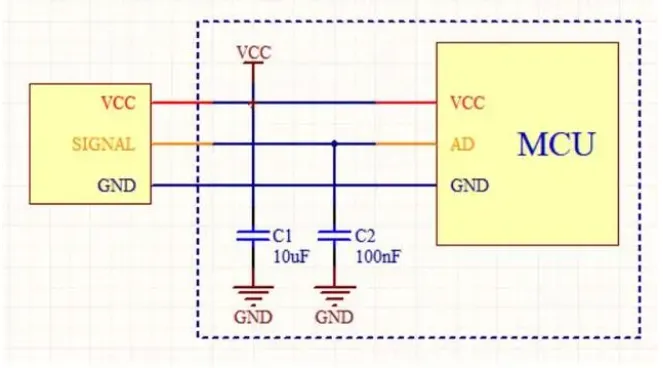
To check whether a liquid level sensor is functioning correctly, follow these steps:
- Check physical connections: Verify that the sensor is securely connected to the system. Inspect connectors and cables for looseness or visible damage.
- Verify supply power: Ensure the sensor power supply is present and stable. Check that the supply voltage matches the sensor's rated voltage.
- Observe operation indicators: When the sensor is powered, check any indicator LEDs or displays. Abnormal indicators may signal a fault.
- Check signal output: The sensor typically outputs an analog or digital signal representing level. Use appropriate instruments (oscilloscope or multimeter) to confirm the output matches expected behavior.
- Perform a functional test: Immerse the sensor in a reference liquid or vary the liquid level and observe whether the sensor responds and outputs corresponding signals.
- Calibration and adjustment: If the sensor supports calibration, follow the manufacturer's procedure to calibrate. Digital sensors may require configuration via a tool or interface to ensure correct readings.
Wiring a three-wire liquid level sensor
Three-wire liquid level sensors typically have a power lead, a ground lead, and a signal lead. Wiring depends on the specific model and application, but a common approach is:
- Connect the power lead to the positive terminal of the DC or AC supply, ensuring the supply voltage matches the sensor rating.
- Connect the ground lead to the supply negative or earth ground to provide a stable reference.
- Connect the signal lead to the control system or data acquisition input. The signal may be analog (voltage or current) or digital and should be connected to a compatible input.
In many cases no external resistor is required because the sensor includes necessary internal conditioning. Photoelectric (optical) liquid level sensors are often designed for simple installation: immersing and removing the probe shows different outputs for wet and dry states, which can be used for basic water-level detection.
Principles of operation
Liquid level sensors use different physical principles to determine liquid height. Common types include:
- Float-type: A float rests on the liquid surface and moves vertically with level changes. The float position is converted to a level reading via a rod, magnet, or potentiometer.
- Pressure-type: These sensors measure hydrostatic pressure at a fixed point (often the bottom of the tank). Pressure correlates to liquid height and is converted to level.
- Suspended or immersion-type: A buoyant element or rod immersed in the liquid changes position with level; the change is measured to determine level.
- Capacitive: These sensors detect changes in capacitance caused by the liquid replacing air between electrodes. Capacitance changes are translated to level readings.
Other specialized level sensing methods exist. The appropriate sensor type should be chosen based on application requirements and liquid properties.