ALLPCB


Introduction
The U.S. Food and Drug Administration (FDA) notes that home health care is one of the fastest-growing segments of the medical device industry. Driven by longer average lifespans, an increasing number of chronic disease patients, and rising healthcare costs, more intelligent and user-friendly medical devices are entering the consumer market.
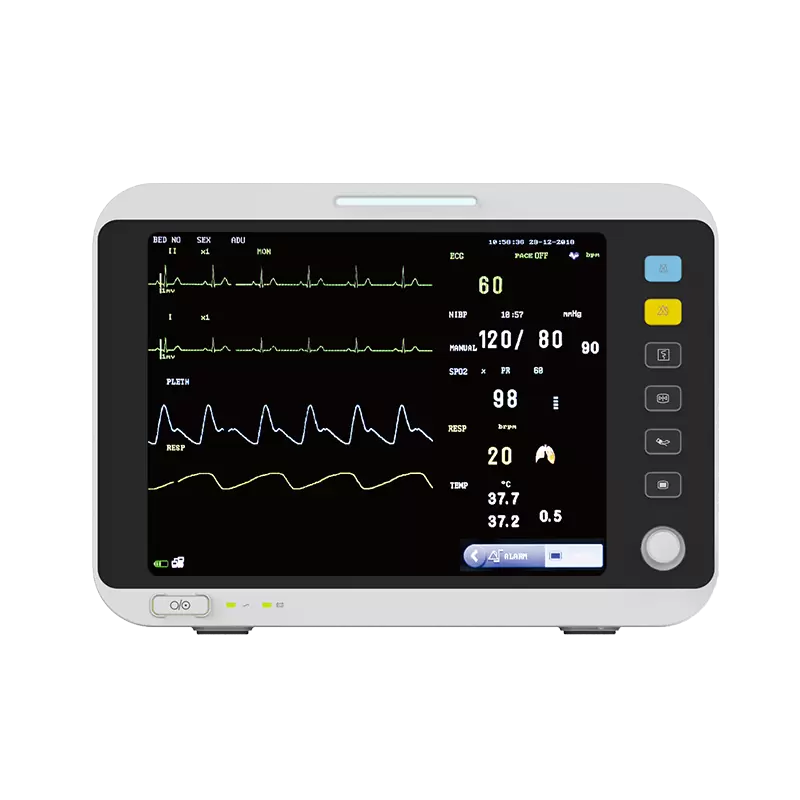
These products include glucose meters, digital blood pressure monitors, blood gas analyzers, digital pulse and heart-rate monitors, digital thermometers, pregnancy tests, transdermal drug delivery systems, dialysis systems, and oxygen concentrators. Many of these instruments can connect wirelessly over the Internet to clinicians' offices for continuous online monitoring and diagnosis of critically ill patients.
Design Challenges for Medical Electronics
As medical electronics technologies become more complex, higher design requirements are needed to ensure safe and effective use by clinicians, patients, and especially home users. Many of these requirements can conflict. For designers, this means packing more functionality onto a chip or circuit board within a limited space while minimizing power consumption.
“When selecting ICs for home healthcare electronic products, the main challenge is balancing constraints such as small size, low power, low cost, high reliability, long life, and safety,” said Steve Kennelly, senior manager of medical products at Microchip. “How much processing power is required depends on who will use the device.”
Production volumes for many medical devices are relatively small, so achieving low market cost through automated manufacturing is difficult. One positive signal is that prices for individual electronic components used in these products—sensors, MCUs, displays, memory, and so on—are generally trending down.
Another obstacle for medical devices is achieving much higher sealing requirements than typical consumer electronics, and full miniaturization makes sealing more difficult to implement.
Requirements for Home Medical Devices
Professionals such as doctors are trained to operate medical instruments, but for patients using devices at home, simplicity is critical. High-integration chips, sophisticated DSPs and microcontrollers, high-density flash memory, and advanced MEMS sensors help achieve usable home devices.
“We welcome these seemingly contradictory requirements because they create opportunities for innovation,” said Todd Schneider, vice president of medical business at AMI Semiconductor. Many of AMI’s medical designs use application-specific standard products (ASSPs) and application-specific integrated circuits (ASICs). “We have been in the medical electronics field for more than 20 years and understand the technical challenges these devices face.”
Performance priorities vary by application. For example, low cost is paramount for disposable glucose meters that use single-use test strips. Portable home dialysis systems must prioritize reliability and long life, with cost secondary. Implantable devices such as pacemakers require high reliability, small size, long life, and minimal power consumption; cost is less important in that context.
Size Matters
Because of the many performance demands, engineers must make trade-offs when choosing sensors, analog-to-digital converters, amplification and filtering stages, control and data processing elements, power supplies, displays, and wireless transceivers.
Size is often the primary constraint, especially for implantable devices where minimal tissue invasion is essential. Implants typically contain a sensor, some signal processing circuitry, or a transmitter, all of which must fit into a miniature catheter or probe inserted into tissue. Smaller form factors also make it easier for clinicians to place implants.
For example, swallowable smart capsules that include sensors, cameras, and RF transmitters can noninvasively visualize internal organs. DexCon’s implantable glucose monitor uses an ultra-low-power ASIC system-on-chip from AMI Semiconductor to continuously monitor patients via RF transmission in the 402–405 MHz band.
Disposable glucose meters are also shrinking; typical sizes are now comparable to handheld PDAs. Some meters are as small as a wristwatch while still containing sensors, a microcontroller, an LCD, and a battery. These devices typically use optical or electrochemical sensors to measure blood glucose from a drop of blood on a disposable test strip. Single-use designs must also keep costs low.
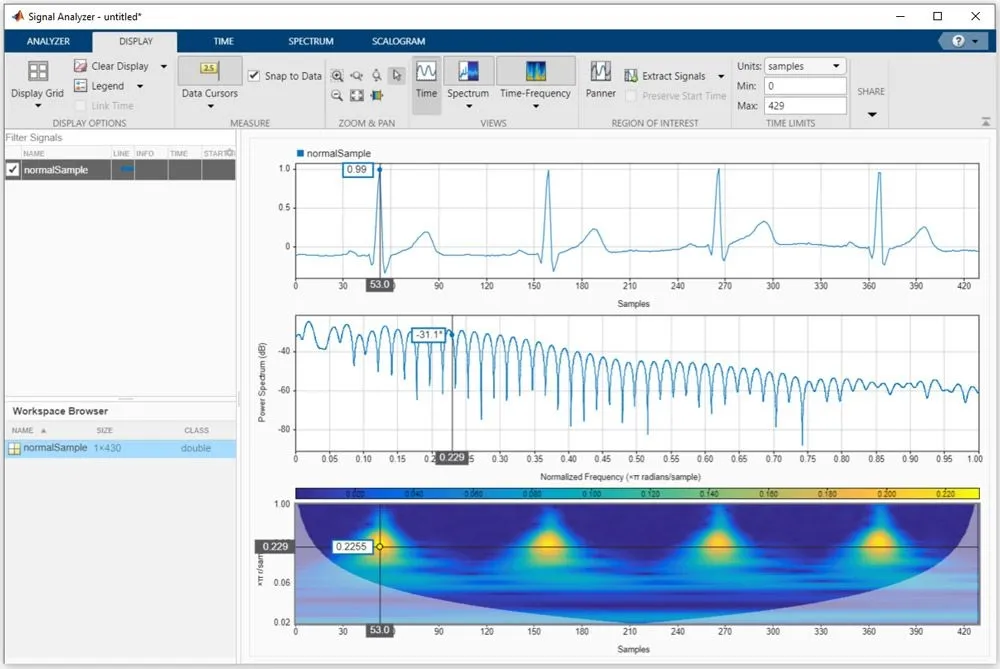
A wireless ECG Holter monitor provides a good example of miniaturization. Using existing IC designs from ADI, such a monitor can be very small and mounted on the back of an ECG electrode. Lower noise and greatly reduced interference can yield more accurate signals than traditional designs.
Reducing Power Consumption
Low power consumption is a primary objective for battery-powered and portable home medical devices. Lower power extends battery life and allows designers to use smaller batteries, leveraging the power-management features of modern MCUs.
However, low power does not always imply a smaller battery. When high computational capability is required, as in cochlear implantable hearing devices, the battery may be larger than the circuitry. Cochlear implants often operate in dynamic modes where a static “sleep” mode is impractical. These implants are typically powered inductively by an external unit worn behind the ear and must operate continuously across a wide dynamic range at high clock rates, which consumes significant power.
Manufacturing process technology also affects power. ICs fabricated on 0.13 μm processes can have higher leakage and static power than earlier-generation devices with wider feature sizes. “We reduce power by optimizing the wafer chemistry in the manufacturing process,” said Todd Schneider.
Lowering operating voltage and carefully managing capacitive effects help reduce leakage. This is why manufacturers often adopt chip-stacking approaches in three-dimensional packaging rather than spreading devices across a limited planar area.
Techniques for power management include lowering clock rates and reducing active-mode durations. “The key is fast power-up,” Schneider noted. Waking a chip quickly into dynamic mode and keeping it in sleep mode as long as possible ensures lower average power consumption.
Understanding the application’s functional requirements enables designers to implement necessary functions in hardware using gate logic. Although less flexible, this approach can remove unnecessary features from the chip and significantly reduce power consumption.
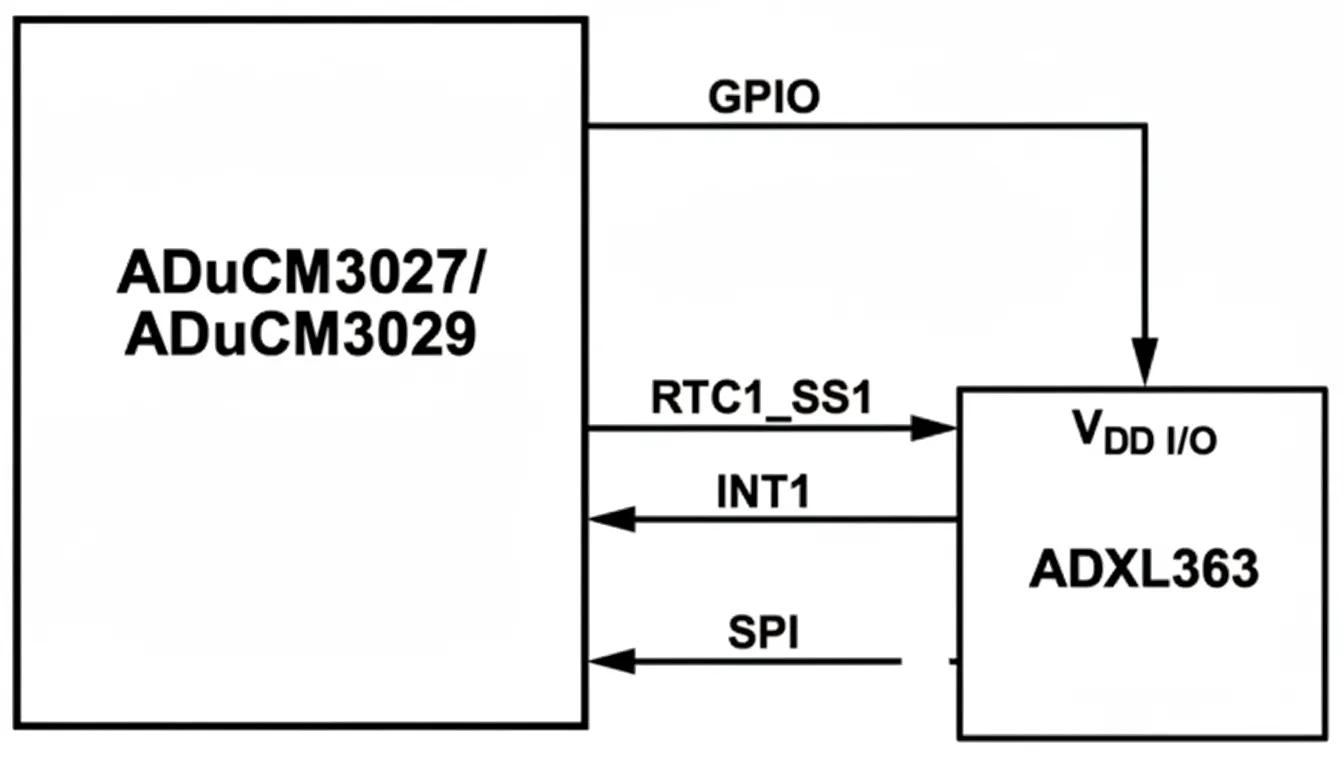
Microchip’s dsPIC33F microcontrollers offer three operating modes—Idle, Sleep, and Low-Power Sleep—each with multiple options, giving designers flexibility to tune power for a specific application.
TI recently introduced an ultra-low-power MCU with a complete signal chain for portable medical diagnostic devices such as personal blood pressure monitors, spirometers, pulse oximeters, and heart-rate monitors. The MSP430FG4270 is a 16-bit RISC SoC that integrates the primary modules needed for low-cost portable medical devices.
TI’s high-integration MSP430FG4270 16-bit RISC MCU integrates the main functional blocks required for low-power, low-cost portable medical products such as glucose meters.
The device supports five low-power modes to extend battery life. In standby mode it consumes only 1.1 μA at 1.8–3.6 V. At 1 MHz and 2.2 V, current consumption is about 250 μA. TI stated a unit price of $3.78 at a 10,000-piece quantity.
NEC Microelectronics also offers inexpensive 8-bit MCUs such as the 78k0/Lx3 series, with many features tailored to portable healthcare applications. These full-flash devices integrate on-chip LCD controllers/drivers and consume very little power, drawing only 2.3 μA in standby.
Advances have also been made in delivering high-quality audio for ultra-low-power hearing applications like hearing aids. AMI Semiconductor’s Ezairo 5910 ASSP integrates a flexible filtering engine called a hearing enhancer that delivers very high-quality audio at extremely low power. The hearing enhancer consumes less than 1 mA and supports full 24-bit processing for long battery life and high audio quality.
DSPs in Home Medical Devices
Digital signal processors are increasingly used in medical electronics to handle complex computations and reduce power consumption. They play a significant role in portable medical ultrasound imaging, enabling more accurate and clearer 3D imaging compared with earlier 2D systems.
An award-winning sub-band electronic stethoscope designed by ATM Semiconductor uses an ultra-low-power DSP at its core and applies oversampling filter-bank signal processing. The DSP provides 21 dB of gain and greatly improves performance compared with passive stethoscopes. The DSP operates at 1.8 V and consumes 4.1 mW. The entire electronic stethoscope consumes 47 mW, most of which (43 mW) is used by the LCD.
Cochlear, a cochlear implant manufacturer, recently collaborated with AMI Semiconductor to design and produce the next generation of DSP-based SoCs for implants. These DSP-based designs offer greater processing power in smaller packages while providing lower power consumption (longer battery life) and improved audio quality compared with non-DSP approaches.
Whether choosing DSPs, MCUs, displays, sensors, or other components, selecting ICs for medical applications requires careful trade-offs. For example, compact flash (CF) storage is widely used in devices such as Holter monitors to record ECG data. While CF storage is common in consumer electronics, not all CF cards are equivalent for medical use.
“We were the first to design CF storage specifically to meet the stringent requirements and advanced performance needed by medical devices,” said Mark Downey, director of strategic development at White Electronic Designs. Low-cost CF cards designed for consumer applications may not meet medical standards for performance, wear balancing, error correction, and data protection.