ALLPCB


Background
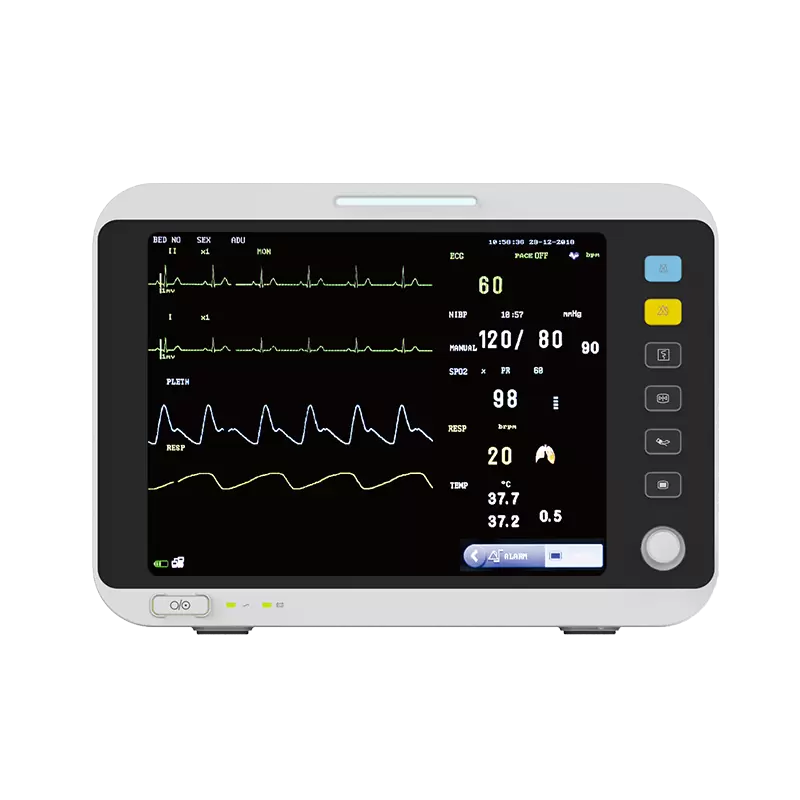
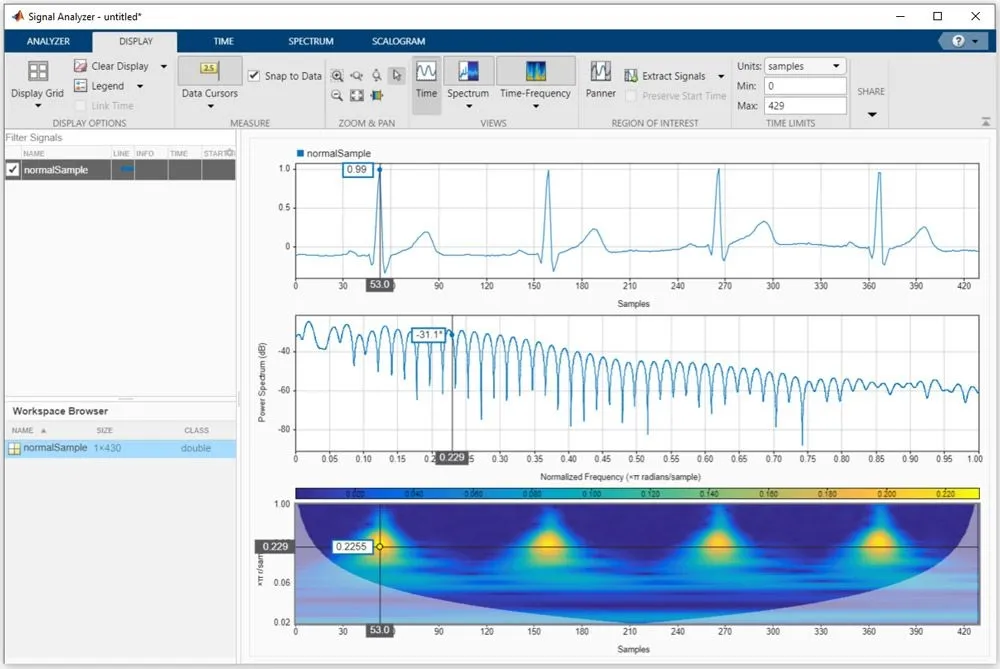
Electrocardiography (ECG or EKG) records the heart's electrophysiology over time through chest electrodes. Electrodes are placed at different body locations and connected to the ECG instrument's positive and negative terminals by leads; this circuit configuration is called an ECG lead.
Symptom
During ESD testing of the ECG device, contact discharge to the chassis of the USB ports or other communication ports at +/-4 kV caused the device to crash or reboot.
Cause Analysis
ESD interference is a common-mode disturbance. Common-mode current can flow from exposed port chassis through the internal PCB to earth. While flowing through the PCB, this current induces undesired common-mode voltages that disturb the main controller IC, leading to crashes or resets.
Mitigation Measures
Since the root cause is common-mode current flowing through the internal PCB, the solution is to provide a direct low-impedance path to earth that bypasses the PCB:
- Increase ground area: cover the plastic base under the PCB with aluminum foil and connect it to a large metal plate. Connect the board's port ground to this aluminum foil by screws.
- Isolate port ground from PCB ground using two inductors so that common-mode current cannot flow directly into the PCB ground.
Summary
External interference tends to enter the PCB through ports, but providing a low-impedance return path allows the disturbance current to bypass the PCB and return to a large-area metal ground. In this case, a bypass path diverts the interference current while inductors block common-mode current from flowing through the internal PCB, preventing crashes and resets.