ALLPCB


Overview
VR (Virtual Reality), AR (Augmented Reality), MR (Mixed Reality), and XR (Extended Reality) are four different reality-interaction technologies with distinct functions and application areas.
Virtual Reality (VR)
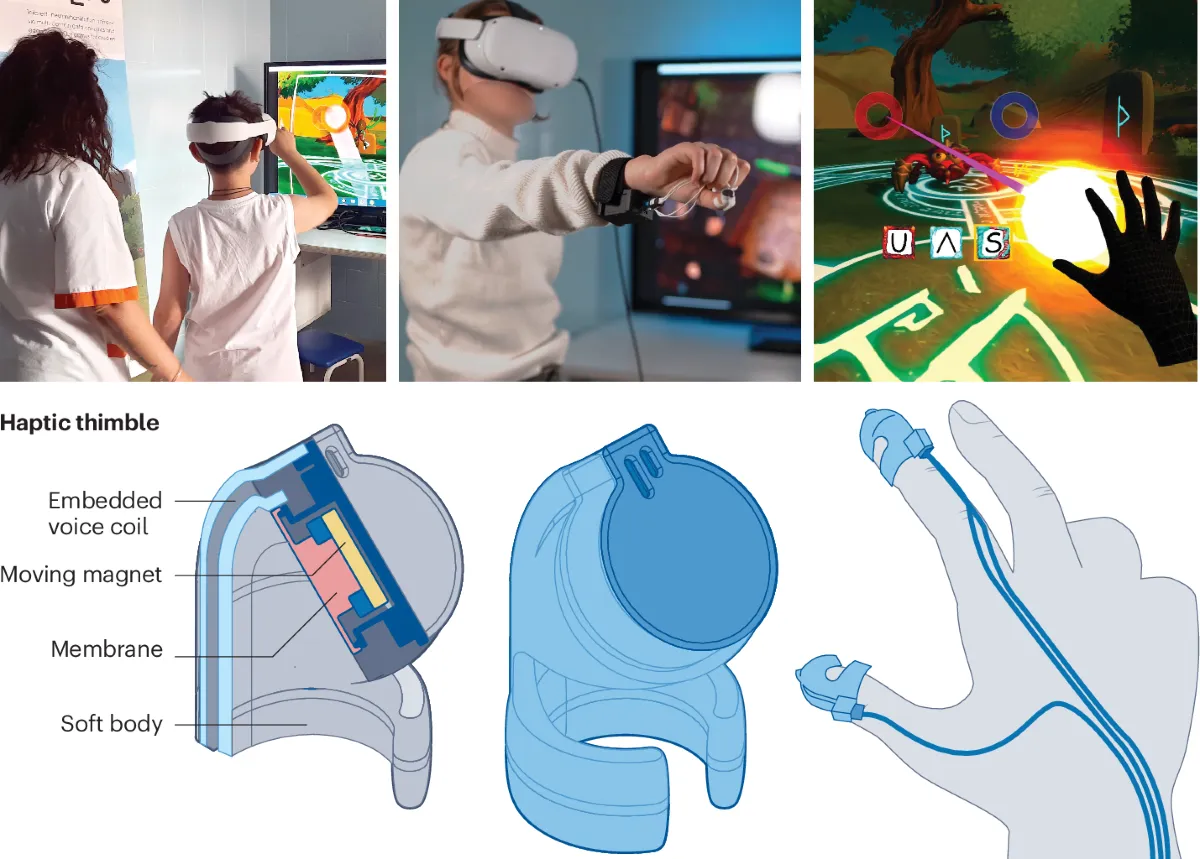
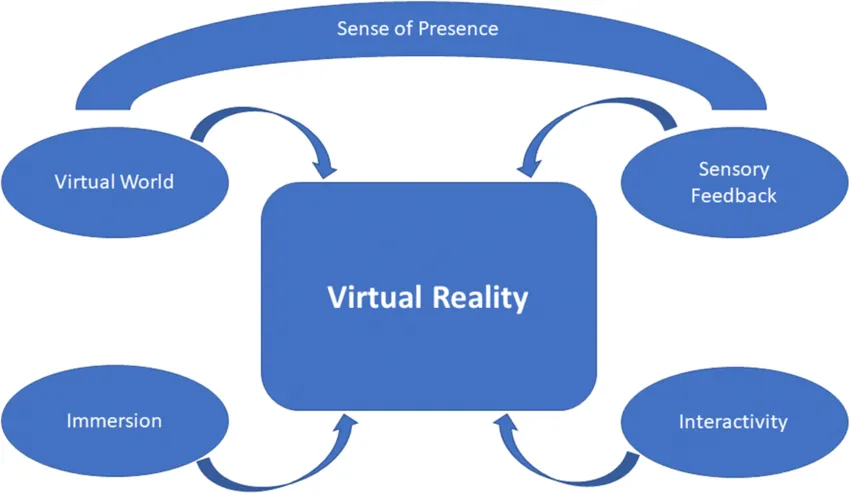
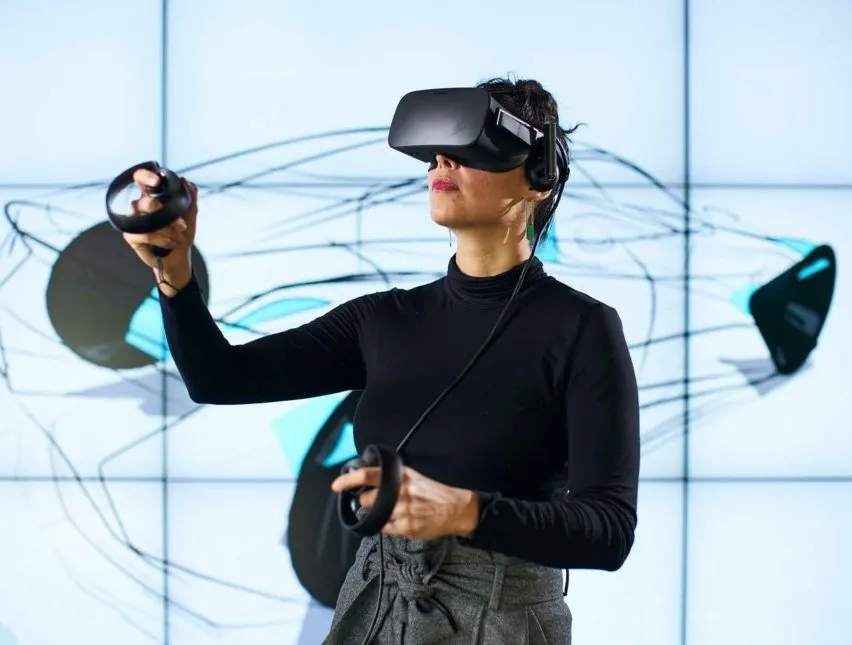
Virtual reality uses specialized hardware such as head-mounted displays to create a fully virtual environment that immerses the user. Users cannot perceive the physical world and are placed in a completely simulated environment for interaction and experience. VR is commonly used in gaming, simulation training, and immersive entertainment.
Augmented Reality (AR)
Augmented reality overlays digital information (for example images, video, or 3D models) onto the real world to enhance or supplement real scenes. Users can view a mixture of the real world and virtual content through devices such as smartphones, smart glasses, or projection systems. AR is applied in gaming, education, navigation, maintenance, and related fields.
Mixed Reality (MR)
Mixed reality combines elements of AR and VR by enabling interaction and integration between virtual content and the real environment. Users can interact with virtual objects in real time and perceive the relationships between virtual objects and the physical world. MR has potential applications in product design, collaboration, and training.
Extended Reality (XR)
Extended reality is an umbrella term that includes VR, AR, and MR. XR aims to provide a broader range of reality experiences by combining virtual and augmented elements with the physical world to address different interaction needs and scenarios.
Summary
In summary: VR creates fully virtual environments; AR overlays virtual content onto the real world; MR enables interactive fusion of virtual and real elements; and XR is the general concept encompassing VR, AR, and MR.