ALLPCB


Overview
Artificial intelligence (AI) studies and develops theories, methods, techniques, and medical systems that simulate, extend, and augment human intelligence. As a branch of computer science, AI aims to understand the nature of intelligence and to build machines that respond in ways similar to human intelligence. Research areas in AI include robotics, speech recognition, image recognition, natural language processing, and expert systems.
On April 28, the State Council issued the "Opinions on Promoting Internet Plus Healthcare Development," covering seven areas including medical services, public health services, family doctor contracting services, drug supply security, and medical AI applications. The core objective is to enable intelligent connection and sharing of dispersed medical and health data across institutions and levels, to optimize resource allocation, innovate service models, improve efficiency, reduce costs, and meet growing public healthcare demands.
AI in neurology: remarks from Wang Yongjun
On May 8, at the launch of the world’s first "Human-Machine Competition" focused on neuroimaging diagnosis, Professor Wang Yongjun, a neurologist and deputy director of the National Clinical Research Center for Neurological Diseases, discussed applications of AI in medicine, especially for neurological disorders. He noted that the nervous system is a highly interconnected network, making it particularly suited to AI research. He highlighted potential applications of AI in improving clinical decision-making and hospital management.
Rapid development of AI in healthcare
Professor Wang explained that AI uses deep learning to build neural networks that simulate the human brain for analysis and learning. By mimicking brain mechanisms, these networks interpret data such as images, sound, and text, and extend the brain's capabilities.
He cited research showing that the AI market in healthcare grew from 600 million in 2014 to 6.6 billion in 2021, an 11-fold increase, with expectations of continued rapid growth.
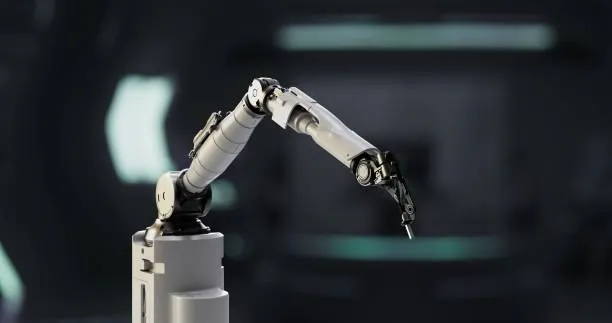
AI can help address unmet medical needs and is being applied across many areas of healthcare. Currently, the largest market share of AI applications in medicine is in robot-assisted surgery, followed by AI-assisted caregiving simulations, hospital process management, defect detection, drug dose error correction, device connectivity, clinical trials, preliminary diagnosis, automated image processing, and cybersecurity.
Professor Wang described practical improvements expected in hospitals, such as automated infusion systems that eliminate noisy manual carts, lighter bedside ultrasound devices, robotic delivery of patient meals, and automated anesthesia delivery logistics, all of which could reduce manual workload and improve efficiency.
Applying insights from brain research
Solving brain disease with brain-like computing
Neuronal damage is often irreversible and carries high rates of disability and mortality. Early detection, early diagnosis, and early intervention are key factors affecting outcomes in neurological diseases. With the uneven distribution of high-quality medical resources in China, misdiagnosis and missed diagnosis rates for complex or hard-to-localize neurological conditions at primary clinics remain high.
Professor Wang noted that Beijing Tiantan Hospital, which is internationally leading in neurological diagnostics, has intrinsic advantages and a large data foundation for AI research and deep learning. On December 22, 2017, the National Clinical Research Center for Neurological Diseases initiated the establishment of the world's first artificial intelligence research center for neurological diseases, hosted at Beijing Tiantan Hospital, Capital Medical University.
AI applications in cerebrovascular disease use knowledge from brain research and employ brain-like computing approaches. Current research directions for AI in cerebrovascular disease diagnosis and treatment focus on three main areas. Based on these directions, Tiantan Hospital participated in developing the world's first AI-assisted diagnostic product for CT and MRI neurological imaging.
Predicting hematoma expansion in hemorrhagic stroke
Intracerebral hemorrhage has the highest mortality among cerebrovascular diseases, largely because hematoma expansion can increase mortality severalfold. Hematoma expansion can be mitigated by lowering blood pressure or early hemostatic therapy. However, not every patient will experience hematoma expansion, and interventions carry risks: aggressive blood pressure reduction can cause peripheral ischemia, and hemostatic drugs can increase thrombosis risk. Therefore, accurately predicting which patients will have hematoma expansion and intervening in time is important for reducing mortality.
Current prediction methods use contrast injection, with a best positive predictive rate of about 70%. Professor Wang stated that AI, through deep learning on large datasets, could potentially raise the positive predictive rate to about 85%–90%. AI-based prediction also avoids the need for contrast injection, reducing potential kidney injury and offering an alternative for patients with iodine allergies or intolerance.